Best Kei Cars: What Americans Should Expect as Trump Pushes US Production
Five affordable Japanese microcars could arrive in the US within three years—pending safety tests and state-level approvals
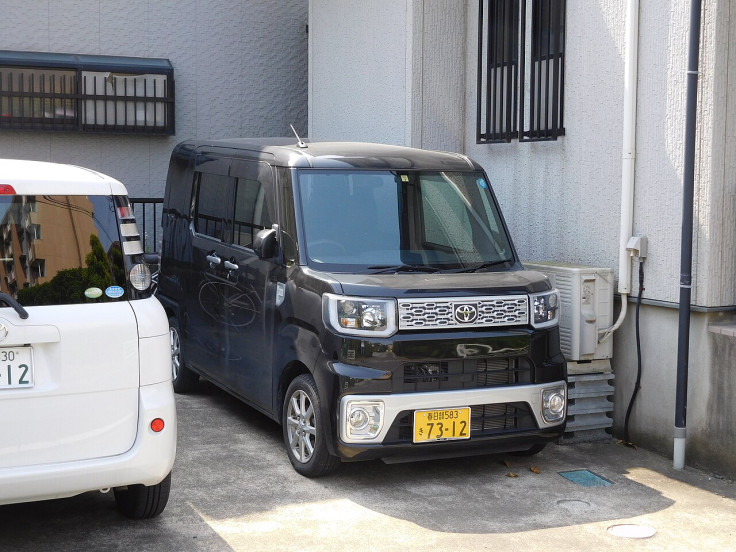
President Donald Trump has set his sights on Japan's smallest cars—kei cars—and wants them available in the US market. On 3 December, he directed regulators to legalise kei cars, the compact microcars he encountered during an Asia trip, comparing them to the iconic VW Beetle. The move could revolutionise affordable city driving in America.
However, the context is complex. While Trump has also relaxed fuel economy standards to accommodate gas-guzzlers, kei cars stand out as highly fuel-efficient vehicles, delivering between 50 and 70 mpg. These pint-sized vehicles dominate around 40% of Japan's car market, yet remain banned in the US—although kei trucks are already on sale in 30 states.
If regulators cooperate, Americans could see new kei cars priced under $10,000 within three years—a stark contrast to today's average new car price of around $48,000. This could provide a significant boost to affordable urban mobility, subject to regulatory approval.
The Models to Watch
Five Japanese microcars stand out as potential candidates for US markets. They are notable for their brand trust, sales records in Japan, and suitability for American consumers. Ranging from an $8,600 city runabout to a $13,500 off-road vehicle (which grey-market dealers sell for upwards of $55,000), these models could reshape small car options in the US.
Honda N-Box
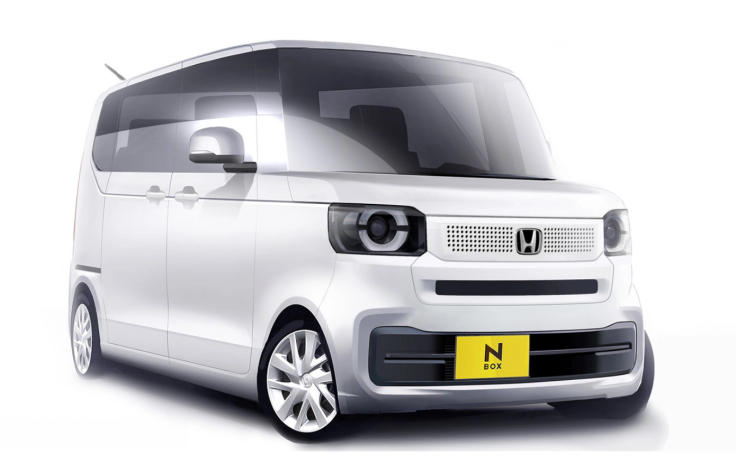
Japan's best-selling vehicle from 2017 to 2023, the Honda N-Box is a boxy mini-van that seats four adults comfortably, thanks to its sliding doors and tall roof. Priced at around $10,800 in Japan, it undercuts American minivans by approximately $25,000 while offering impressive fuel economy of 55 mpg with its turbocharged 660cc engine.
The main concerns are its 63 horsepower, which might make highway merging nerve-wracking, and whether its lightweight structure meets US crash standards. Nonetheless, Honda's factories in Ohio and Alabama could produce these as affordable family vehicles if regulators give the green light.
Suzuki Alto

At just $8,600, the Suzuki Alto is arguably the cheapest new car on the planet. With 16 million units sold since 1979, it's a proven model, even if stripped to the basics. Its 660cc engine produces 49 horsepower and 65 mpg, making it ideal for city driving or solo commuters.
Suzuki exited the US market in 2012, but kei car legalisation could be a low-risk re-entry for the brand, offering a budget-friendly option for buyers seeking a reliable, low-cost vehicle.
Daihatsu Move
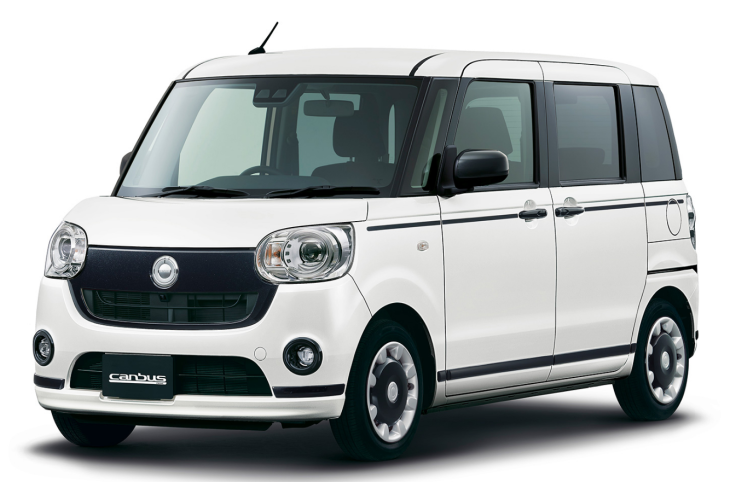
The Daihatsu Move is considered the premium kei among the five models discussed. Priced at about $10,400, the Move Canbus trim features adaptive cruise control, a touchscreen with navigation, keyless entry, and LED headlights—features largely absent from US budget cars.
Powered by a 660cc turbo engine delivering 64 horsepower and 52 mpg, it also offers optional two-tone paint. However, US safety rules may strip the tech to meet crash standards, and Daihatsu has no current dealerships in America. It remains the wildcard—potentially embarrassing Detroit or disappearing entirely.
Suzuki Jimny
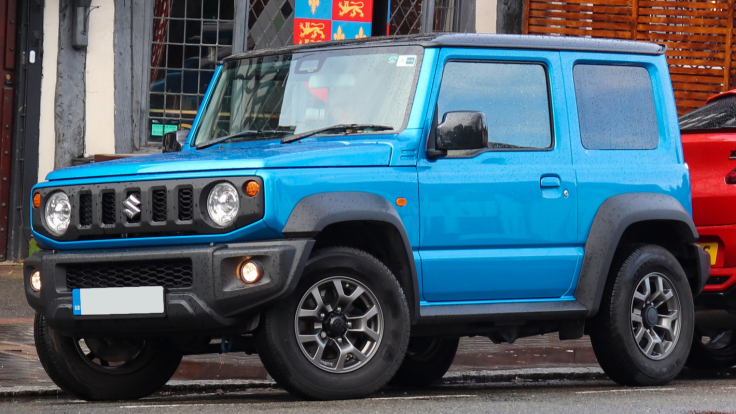
The off-road star. Unlike city-focused kei cars, the Suzuki Jimny boasts a ladder-frame chassis, low-range four-wheel drive, and 8.3 inches of ground clearance. It has a three-year global waitlist and a cult following in America, where grey-market dealers sell them for around $55,000—four times the Japanese price of $13,500.
With only 63 horsepower from its turbocharged engine, it struggles on steep inclines, and its top-heavy design raises rollover concerns at highway speeds. Nonetheless, weekend off-road enthusiasts see it as a modern-day Samurai, making it the most American-ready model on this list.
Mitsubishi eK X
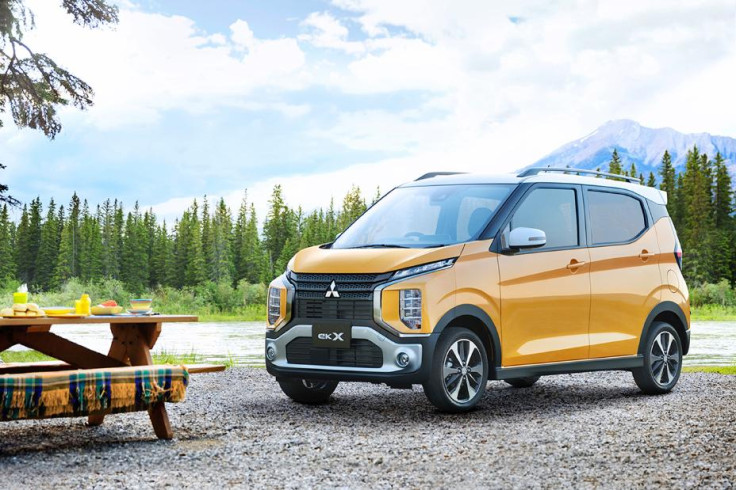
The crossover lookalike. Priced at about $10,700, the Mitsubishi eK X features raised ride height, plastic cladding, an aggressive grille, and two-tone paint—mimicking America's SUV craze. Its 660cc turbo engine produces 64 horsepower and 50 mpg. Most buyers would opt for front-wheel drive, as the 'crossover' is primarily styling.
Mitsubishi's reputation has taken a hit after a 2016 fuel-economy scandal, making this the riskiest option. Still, enthusiasts of models like the Eclipse and Lancer Evolution may rally behind Mitsubishi's attempt at a comeback—either redemption or embarrassment.
The Road Ahead: Challenges and Timelines
Despite Trump's directive, kei cars won't hit US roads overnight. The process involves a lengthy regulatory approval—estimated at 18 to 36 months. The Department of Transportation must create a new vehicle class, conduct safety tests, and publish final rules before manufacturers can sell these vehicles legally.
Physics remains a concern. Kei cars were engineered for Japanese streets with 40 mph speed limits, not American highways at 75 mph. A 1,500-pound Alto colliding with a 5,000-pound pickup would be terrifying for crash engineers. Many kei models lack the airbags and stability control required under federal law, complicating their approval.
Even if federal safety standards are met, 19 states currently ban kei trucks, and passenger models face stricter scrutiny. Colorado has legalised kei trucks from May 2025, with sales starting in January 2027—a potential blueprint for others. The most optimistic outlook suggests Honda could begin US production by 2027, with deliveries in 2028.
However, the reality may involve a patchwork of 'kei corridors' in blue states, while red states may resist due to safety concerns. The debate over these microcars is far from over, but their arrival could significantly reshape affordable urban mobility in America.
© Copyright IBTimes 2026. All rights reserved.
- MOST POPULAR IN Business