

Cops Demand Answers from Engineer After He Turned DIY 'Flock' AI Surveillance on Police Cruisers
Anthony Sistilli's prototype tracks police cruisers and their number plates amid debate over surveillance networks
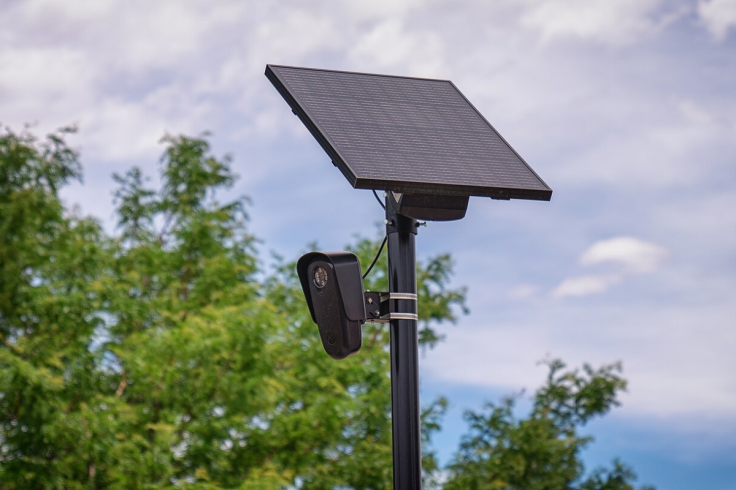
A Canadian software engineer built a $180 (£135) device to identify and log police vehicles in Brampton, Ontario, prompting a visit from two Peel Regional Police officers who questioned him about the project.
Anthony Sistilli, a YouTuber based in Mississauga and Brampton, was questioned at his home on 20 September 2026. Police later determined that no further action or charges were required.
Sistilli developed the prototype in response to the expansion of automatic licence plate recognition (ALPR) systems, including Flock Safety networks in the United States and municipal camera deployments in Brampton.
He connected a camera to a laptop and used AI-assisted coding tools to develop software that identifies police cruisers rather than monitoring civilian traffic generally. The system was designed as an educational tool to show the public and law enforcement what unchecked tracking feels like.
DIY Device Targets Police Cars
Sistilli divided the detection process into two stages after the device struggled to process high-resolution 4K footage. The software first determines whether a passing vehicle is a police car and only attempts to read the licence plate once a cruiser is identified.
During an hour-long test near Shoppers World in Brampton, the dashboard-mounted device identified and captured images of two police vehicles. Sistilli documented the build and test on TikTok and YouTube, describing the project as a personal surveillance initiative to 'Flock the Flockers'.
The officers visited Sistilli's home to inquire about his intentions and the scope of his data collection. Sistilli said they expressed concern that continuously logging patrol vehicles could expose officers' shift patterns, daily movements, and personal addresses, creating safety risks if accessed by bad actors.
He countered that these security concerns mirror the privacy issues citizens face when monitored by government and commercial ALPR networks. The officers argued that public access logs or mandatory disclosures for law enforcement systems could compromise active criminal investigations.
Canadians have limited access to information about police searches of ALPR databases, he said. He contrasted this with certain US jurisdictions and platforms that provide public portals or audit logs, describing the disparity as a key motivation for his project.
Brampton Expands Its Camera Network
Brampton has announced an C$11.4 million (£6.1 million) municipal camera initiative, including C$2 million (£1.1 million) spent on high-resolution cameras equipped with ALPR technology. The system is intended to monitor traffic and assist police investigations.
Flock Safety and police departments argue that ALPR networks help solve crimes, recover stolen vehicles and provide evidence in violent crime and extortion investigations. Criticism of the technology has grown alongside its expansion. Reports have described cases in which officers allegedly used ALPR databases to stalk former partners or target individuals.
Investigative reports have also raised concerns about data security. In one case, hackers reportedly recovered more than 27,000 video files from a stolen device, along with logs indicating it had captured about 1.6 million images. Encryption keys were allegedly stored in plain text.
More than 140 cities and counties have moved to reject, suspend or cancel ALPR contracts, or disable existing camera networks. Los Angeles and Fullerton are among the cities that have faced pressure to suspend or end agreements with vendors.
© Copyright IBTimes 2026. All rights reserved.