Flock Workers Have Seven Days to Accept 'Generous' Severance as Customers Cut Ties With the $8B Surveillance Firm
Flock Safety has roughly 1,500 employees and has raised $1.2 billion since its founding in 2017

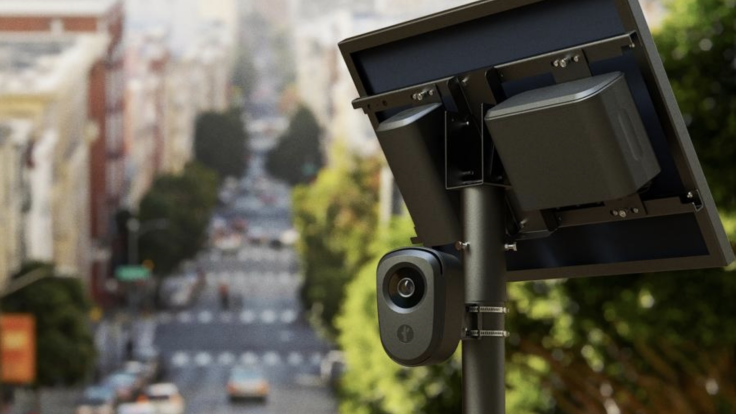
Flock Safety employees have just seven days left to decide whether to take a voluntary buyout as the $8 billion surveillance company faces a growing customer exodus, rising camera vandalism, and a morale crisis inside its workforce of roughly 1,500 people.
The deadline is 2nd October, meaning workers now have until next Friday to decide whether to leave the company. Flock launched the voluntary separation program on 18th September, according to an internal announcement obtained by WIRED.
The offer comes as cities and counties increasingly walk away from Flock's controversial network of automated license plate readers, putting pressure on a business that has raised about $1.2 billion in venture capital since its founding in 2017.
Workers Face a Difficult Choice
Flock is presenting the package as an alternative to potentially harsher job cuts.
The company described the programme as its 'most generous' severance offer ever, roughly twice the size of previous packages. Employees who received the buyout proposal were reportedly offered amounts in the tens of thousands of dollars, along with several months of health insurance coverage.
Workers would also have up to two years after leaving to exercise their stock options, a longer window than Flock typically provides to employees who resign.
For employees, however, accepting the money means giving up a position at a company that only months ago had secured an $8 billion-plus valuation.
Flock expects to approve the majority of employees who apply, according to the internal announcement. Workers are expected to learn whether their applications have been accepted on 9th October, with most departures scheduled for 29th October. Some could be asked to remain for another one to three months.
That leaves employees weighing a guaranteed financial package against an uncertain job market and the future value of their Flock equity.
Why Customers Are Walking Away
The employee programme comes as Flock struggles with a rapidly changing customer landscape. An advocacy group called Secure Justice identified 93 city and county governments that ended their relationships with Flock in August alone. The number of local governments dropping Flock during 2026 was reportedly roughly three times the number that did so during the previous five years combined.
The losses matter because Flock's business depends heavily on government agencies using its cameras and software. The company has also faced unexpected costs from vandalism targeting its cameras.
Specifically, the customer losses are being driven by a widening backlash over privacy, data sharing, and police misuse of Flock's technology.
Local governments have faced growing questions over how widely their camera data can be accessed. Elsewhere, investigations have uncovered officers allegedly using the system to track former partners, colleagues, and other individuals. According to WIRED, some agencies even had unexpectedly broad search permissions, including access to nationwide networks.
At the same time, Flock has reportedly expanded beyond conventional license plate recognition, developing AI-powered investigative software capable of identifying drivers, examining movement patterns, and searching across police records and other datasets.
However, Flock has disputed the suggestion that the cancellations represent a broader business decline, arguing that new partnerships have outpaced nonrenewals by roughly 10 to 1 in 2026.
According to people cited by WIRED, the combination of contracts being dropped or not renewed and higher expenses could leave Flock short of its revenue targets. One source told the media outlet that the company would 'almost certainly' have to carry out layoffs without the buyout programme.
© Copyright IBTimes 2026. All rights reserved.
- Recommended For You