

Are Telegram and X Failing to Stop the Alleged Aaron Villaflor, Ron Angeles, Nikko Natividad, Gil Cuerva Video Scandals?
The rapid spread of alleged explicit content involving Filipino actors raises questions about digital accountability

A fresh wave of alleged celebrity video scandals is once again testing the limits of social media moderation, as Telegram and X struggle to contain viral claims linking four Filipino actors to explicit content.
The controversy erupted after reports detailed how Aaron Villaflor, Ron Angeles, Nikko Natividad and Gil Cuerva began trending in connection with an alleged private video. Within hours, screenshots and clipped posts circulated widely on both platforms, prompting renewed debate about digital accountability and the limits of content moderation.
Silence, Statements, and Social Media Reactions
Despite the escalating speculation, there has been no unified official statement from all four personalities or their management teams.
Villaflor, however, has publicly addressed the allegations, dismissing them as part of a smear campaign. 'I said, "Go! Show it to me." And everything they showed was from my Vivamax projects. Oh my, there are so many smear campaigns,' he said. He added: 'It's part of the political industry, so it depends on you how you're going to react.'
Ron Angeles also appeared to respond indirectly through his Facebook account, posting a brief message: 'Just relax, all of you.'
Nikko Natividad and Gil Cuerva have remained silent, at least publicly, as the controversy continues to trend across Telegram and X.
Are Telegram and X Losing Control?
The speed at which the alleged videos and screenshots spread has raised serious questions about the ability of both platforms to prevent viral dissemination of unverified or potentially harmful content.
Telegram, known for its private channels and encrypted messaging features, has often been criticised for allowing rapid circulation of sensitive material. Once links are shared within private groups, content can proliferate beyond moderation reach within minutes.
X (formerly Twitter) operates differently but faces similar challenges. Trending algorithms can amplify names tied to controversy even when evidence remains unverified, and curiosity-driven searches further accelerate the spread.
The result is a digital wildfire: users searching for clarity may inadvertently boost visibility, while screenshots detached from context continue circulating.
Authentic or Lookalikes?
A central question remains unanswered — are the individuals in the alleged clips truly the four actors, or merely lookalikes? Authenticity has not been confirmed, and there is no definitive proof that any of the actors appear in explicit footage.
Villaflor's firm denial complicates the narrative further. By asserting that the only videos presented to him were scenes from his Vivamax projects, he casts doubt on the legitimacy of the circulating claims. On Telegram and X, users continue dissecting screenshots and comparing facial features, often without reliable evidence.
Platform Responsibility Versus Public Curiosity
The incident highlights a broader cultural issue: the normalisation of video scandals as entertainment. Some social media users no longer treat such controversies as shocking—they are seen as part of celebrity life in the digital age, which may itself contribute to platforms' moderation struggles. When audiences view alleged private content as gossip rather than a potential privacy violation, sharing becomes easier to justify.
For public figures like Aaron Villaflor, Ron Angeles, Nikko Natividad, and Gil Cuerva, the reputational stakes are high. Even unverified allegations can leave lasting digital footprints.
Telegram and X both have community guidelines intended to curb explicit or harmful content, yet enforcement remains reactive rather than preventive. By the time moderation teams identify and remove posts, screenshots may already have been duplicated across dozens of accounts and channels. Social media platforms are designed to prioritise engagement, and controversy naturally drives clicks, shares and search traffic—making alleged video scandals self-perpetuating cycles.
What Happens Next?
At present, the four actors remain open to clarifying the issue. Whether they choose to issue coordinated statements could shape public perception. Until then, speculation will likely continue on Telegram and X, where trending lists often blur the line between verified fact and viral rumour.
The controversy involving Aaron Villaflor, Ron Angeles, Nikko Natividad, and Gil Cuerva serves as a stark reminder that in the digital era, reputations can be tested within hours—and that social media giants still face profound challenges in preventing the rapid spread of unverified claims.
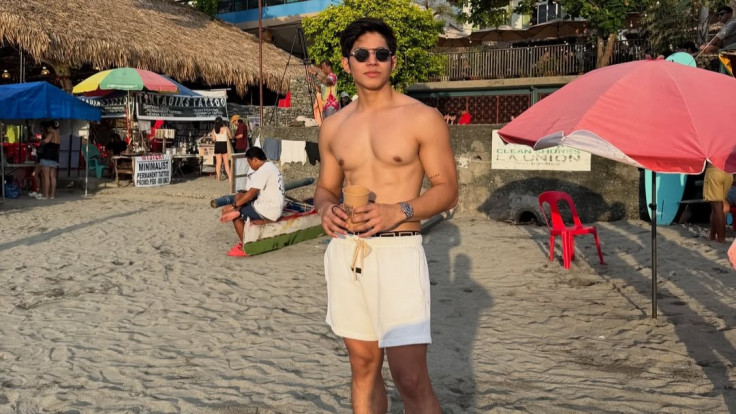
As audiences await clearer answers, the spotlight shifts not only to the actors involved but also to the platforms that host the conversations, raising a pressing question: are Telegram and X equipped to stem the tide of the next viral storm?
© Copyright IBTimes 2026. All rights reserved.