Cold Supermoon 2025: Facts on the Last Full Moon of the Year — and Why It's So Special
What makes the cold supermoon special? Last full moon of 2025 is both a supermoon — and the year's highest moon
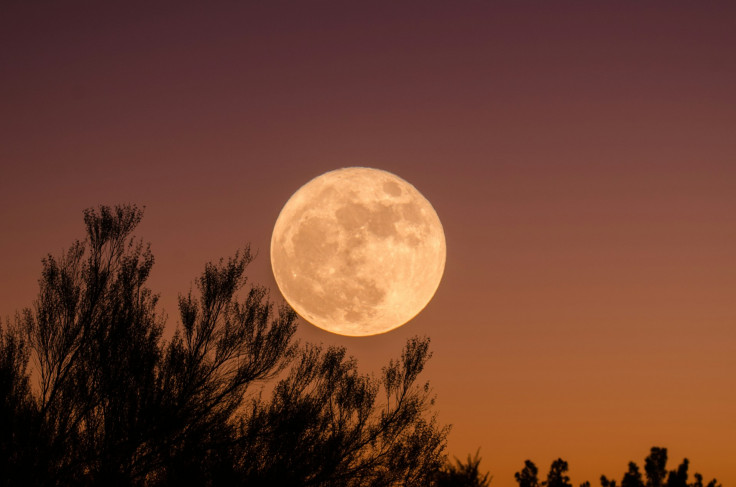
Look up, skywatchers. A striking celestial event is underway this week, as the Cold Supermoon, the final full moon of 2025, rises on 4 December. According to Live Science, the moon becomes officially full at 6:14pm EST and will appear especially large at moonrise, when it sits low near the horizon.
This year's Cold Moon is also the second-biggest full moon of 2025, arriving as the third in a consecutive series of four supermoons. A supermoon occurs when a full moon aligns with perigee, the Moon's closest point to the Earth. As NASA explains, a supermoon can look up to 14% larger and around 30% brighter than a typical full moon.
Although December's supermoon is not the very closest of the year — that honour belongs to November's Beaver Moon — it remains one of the most visually impressive.
Cold Supermoon's Unique Astronomical Distinction
Aside from its brightness, the Cold Supermoon holds a unique astronomical distinction: it climbs higher in the sky than any other full moon of the year.
This happens because of its timing near the winter solstice. As the sun sinks to its lowest point in the Northern Hemisphere, the full moon — positioned opposite the sun — reaches its highest point.
Live Science notes that the Cold Moon often sits directly within the constellation Taurus, gaining additional altitude and visibility across the long winter nights.
For viewers hoping to see it at its most dramatic, the moon will also look nearly full on 5 December, rising around an hour after sunset — perfect for binoculars or beginner telescopes.
Full Moon Rich with Names, Culture, Seasonal Meaning
The Cold Moon carries a long list of historical and indigenous names, each tied to winter, long nights and the bite of the year's coldest air.
According to The Old Farmer's Almanac, December's full moon has been called:
- The Frost Exploding Trees Moon (Cree)
- The Moon of the Popping Trees (Oglala)
- The Moon When the Deer Shed Their Antlers (Dakota)
- The Winter Maker Moon (Western Abenaki)
- The Cold Moon (Mohawk)
- The Long Night Moon (Mohican)
Old English and Anglo-Saxon traditions referred to it as 'The Moon Before Yule' and 'The Long Night Moon,' highlighting its proximity to the longest night of the year.
AccuWeather notes that the moon will also appear brighter than usual because it sits roughly 17,000 miles closer to Earth than the monthly average.
NASA to Offer Real-Time Moon Tracking
For those unable to view the event because of weather or city light pollution, NASA's Moon Observation Guide offers real-time moon tracking, rotating models and daily viewing details.
This tool allows viewers around the world to follow the Cold Supermoon's rise, peak and descent from anywhere.
The Cold Supermoon closes out the year with one of 2025's brightest and most dramatic lunar displays, rising higher and shining stronger than any other full moon. Whether viewed outdoors or through NASA's virtual guide, it's a final celestial reminder of the beauty that marks the winter sky.
© Copyright IBTimes 2026. All rights reserved.
- MOST POPULAR IN Science