

D4vd Faces Potential Murder Indictment as Prosecutors Escalate Celeste Rivas Case
An indicting grand jury is now hearing evidence on the case

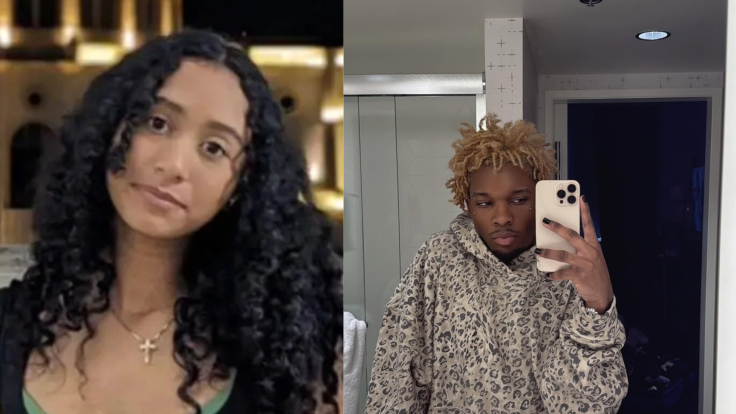
Insiders say a verdict could be drawing closer for singer D4vd, as prosecutors are signalling potential murder charges in the death of Celeste Rivas.
What was previously believed to be an investigative process has now taken on far greater legal significance, placing the artist at the centre of a rapidly intensifying criminal case.
Sources indicate that the grand jury hearing evidence in the Rivas killing is not merely gathering testimony but is expected to vote on whether to issue an indictment.
Prosecutors are said to believe D4vd was involved in the circumstances surrounding Rivas' death, a development that significantly raises the stakes for the singer as legal scrutiny deepens.
Grand Jury Moves Beyond Investigative Phase
Last month, reports suggested the grand jury examining the Celeste Rivas case was an investigative panel, a body typically used to subpoena witnesses and compel testimony without the authority to indict.
However, multiple insiders now say the panel currently hearing evidence is an indicting grand jury, meaning it can formally charge suspects.
This distinction is critical. An indicting grand jury determines whether prosecutors have sufficient evidence to bring criminal charges, including murder. Targets of such proceedings, including D4vd, do not have the right to present a defence or cross-examine witnesses during the process.
Insiders Say Prosecutors Are Seeking Murder Charges
According to sources of TMZ, prosecutors involved in the case believe they have grounds to pursue murder charges related to Rivas' death. Among those leading the effort is Beth Silverman, who has reportedly played a central role in questioning witnesses and shaping the case presented to jurors.
While an indictment would not constitute a guilty verdict, legal experts note that grand juries frequently return charges when prosecutors actively seek them.
The signalling of potential murder charges marks a pivotal moment in the investigation and has heightened public and media attention.
Manager's Testimony Draws Scrutiny
A key development came earlier this month when D4vd's day-to-day manager, Robert Morgenroth, testified before the grand jury over several days. His testimony reportedly focused on decisions made in the aftermath of Rivas' death, including why law enforcement was not immediately contacted.
According to the report, a TMZ reporter overheard Morgenroth telling his lawyer that Silverman had pressed him on the issue. He allegedly responded that contacting police was not his responsibility and that his role was to ensure D4vd's tour continued.
Prosecutors are believed to view this testimony as relevant to the timeline and actions taken following the incident.
What the Grand Jury Process Means
Grand juries operate largely behind closed doors, with prosecutors controlling the flow of evidence and witness testimony. Legal analysts often point out that the secrecy of the process, combined with the absence of a defence, makes indictments more likely when prosecutors are confident in their case.
For D4vd, an indictment would mark the beginning of a formal criminal prosecution rather than the end of the legal road. If charges are filed, the case would move into open court, where evidence would be tested publicly for the first time.
Timeline and Ongoing Proceedings
Insiders say the grand jury could continue hearing witnesses into February, meaning any indictment may not be immediate. The extended timeline suggests prosecutors are continuing to build their case rather than rushing a decision.
The case has drawn widespread attention, which has closely tracked developments in the investigation. As the grand jury process unfolds, the prospect of a D4vd verdict remains uncertain, but the direction of the case is becoming increasingly clear as prosecutors move closer to a potential decision.
© Copyright IBTimes 2026. All rights reserved.