

DHS Rejected More Humane ICE Detention Plan Because Stephen Miller Wanted 'Cruel' Conditions, Contractor Says
A contractor alleged that Stephen Miller opposed comfortable, humane detention facilities and wanted conditions to be 'cruel'
A $1.07 billion (£809 million) expansion of US immigration detention is facing a growing financial problem: Immigration and Customs Enforcement is preparing to sell most of the warehouses it bought for the initiative, while millions of dollars spent on the properties may never be recovered.
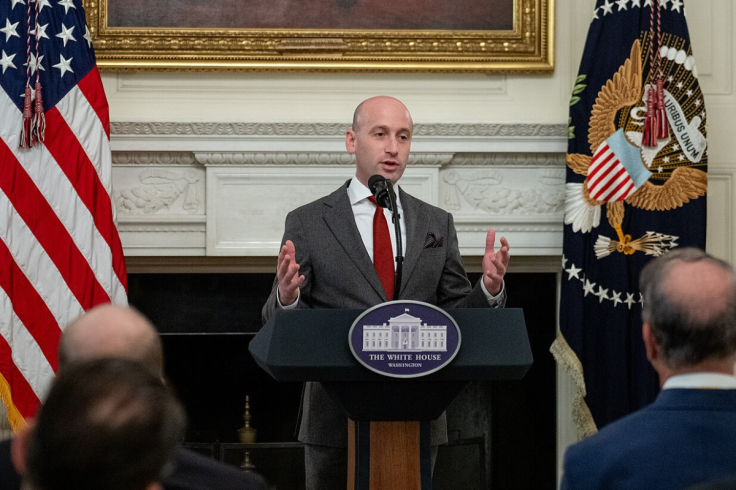
The developments also raise questions about how the administration approached the design of the facilities, after a government contractor alleged that DHS rejected a more humane alternative because it was not what White House adviser Stephen Miller wanted.
ICE Is Reversing Part of Its Warehouse Strategy
ICE purchased 11 warehouses between January and April 2026 at a reported cost of about $1.07 billion (£809 million) as part of an effort to expand detention capacity. By June, however, the agency told the Government Accountability Office that it was working with the General Services Administration to sell seven of the properties.
ICE reported more than $20 million (£15.1 million) in non-recoverable costs associated with the warehouses it intended to sell, including expenses linked to property assessments, security, and other services. The reversal creates a difficult financial question for the administration: how much of the money committed to the programme can ultimately be recovered, and how much will taxpayers have to absorb as the detention strategy changes?
Legal Challenges Are Complicating Expansion
The warehouse programme has also encountered legal obstacles that could make rapid expansion more difficult and costly. Several sites have faced lawsuits or environmental challenges, with construction and conversion work halted or delayed in some locations. At two facilities in Maryland and Arizona, ICE had committed significant sums to renovation work even as legal challenges put the projects on hold.
The Government Accountability Office has separately raised concerns about the planning behind ICE's detention expansion and recommended that the agency develop a comprehensive strategy for determining its future detention needs. That leaves the administration facing a choice between continuing to invest in facilities whose future remains uncertain or accepting potentially significant losses by selling properties it no longer plans to use as originally intended.
Contractor Says Miller Wanted Facilities to Be 'Cruel'
The financial questions come alongside a serious allegation about the conditions the administration wanted inside the facilities. A contractor whose company was approached about converting warehouses into ICE facilities said his team proposed FEMA-style camps in Texas as a more humane alternative. The proposal was rejected, he said, after officials indicated that it was not what Miller wanted.
'Miller did not want the facilities that were comfortable. He did not want facilities that were humane,' the contractor said. 'We were told point-blank that that was not what the administration wanted.' He later characterised his understanding of Miller's position more bluntly, saying: 'Steve Miller certainly seemed to make that point to everyone that he wanted it to be cruel.'
The White House disputes the allegation. Spokesperson Lauren Bis said the contractor's account was 'false hearsay' from someone who had never met or spoken with Miller, and said Miller had never made remarks advocating worse detention conditions. The allegation should therefore be treated as the contractor's account of what he says he was told, rather than as established evidence that Miller personally directed DHS officials to impose cruel conditions.
What Taxpayers Will Get In Return
The warehouse programme now presents a broader accountability question beyond immigration policy: what will taxpayers ultimately receive for the money already committed? The seven warehouses ICE planned to sell had cost about $707 million (£535 million) to acquire. The agency had already reported millions of dollars in costs that could not be recovered, meaning any sale below the purchase price could increase the government's losses.
At the same time, retaining the remaining properties could require additional spending on security, maintenance, and conversion work. The financial exposure makes the programme a test of whether the administration can rapidly expand detention capacity without repeating the planning and cost-control problems identified by federal auditors.
© Copyright IBTimes 2026. All rights reserved.