

Donald Trump Could Grow 'More Unhinged' Before Midterms, Ex-GOP Strategist Warns
Steve Schmidt warns Trump could become increasingly erratic before the November midterms

President Donald Trump could grow 'more unhinged and erratic' ahead of the 3 November US midterm elections, former Republican strategist Steve Schmidt warned on Sunday, 11 October.
His prediction appeared in a sharply critical essay published in his Substack newsletter, The Warning. Schmidt was responding to an analysis by David Remnick, editor of The New Yorker, about the possibility of Democratic gains.
Schmidt went further, forecasting heavy losses for Trump's political allies and warning that an electoral setback could make the country's divisions more dangerous.
'Judgement day is coming for MAGA,' Schmidt wrote. His argument covered two distinct periods. He predicted increasingly erratic behaviour before the vote and a deepening political crisis after the Republican defeat he anticipates. Neither outcome has been established.
Why Steve Schmidt's Warning About Donald Trump Carries Weight
Schmidt knows Republican presidential campaigns from the inside. He directed rapid-response communications during George W. Bush's 2004 re-election bid and later joined John McCain's 2008 campaign. In July of that year, he took responsibility for its daily operations, while Rick Davis retained the formal campaign-manager title.
That background distinguishes Schmidt from commentators who have only watched Republican election campaigns from the sidelines. It does not, however, give him privileged knowledge of what Trump plans to do.
In his essay, Schmidt called the approaching election a reckoning for the MAGA movement. He suggested that losing congressional power would not immediately settle the political disputes surrounding Trump's presidency. Instead, he fears the pressure could intensify them.
The warning was emphatic, but not specific. Schmidt offered no evidence of a planned executive order, confrontation or other action that might follow an unfavourable result. His assessment remains a political forecast, rather than a disclosure of an impending threat.
Donald Trump Compared With Historical Authoritarian Figures
To explain his fears, Schmidt looked to history. He invoked American journalist Dorothy Thompson, who wrote in 1937 about the difficulty of recognising a potential dictator before that person gains power.
Schmidt applied that warning to Trump, portraying the president as a threat to constitutional government. He also accused Trump of having led a coup against the US Constitution nearly six years earlier. That was Schmidt's characterisation of Trump's earlier conduct, not a new legal finding.
The language grew more combative as the essay continued. Schmidt compared Trump to the Roman emperor Nero, calling him 'Nero from Mar-a-Lago.' He also used harsh descriptions of the president's behaviour and judgement.
Those comparisons expressed Schmidt's political views. They should not be mistaken for a medical assessment or evidence that Trump's mental health has changed. The central claim is what Schmidt expects might happen, not what any professional has diagnosed.
What Donald Trump Could Face After the Midterms
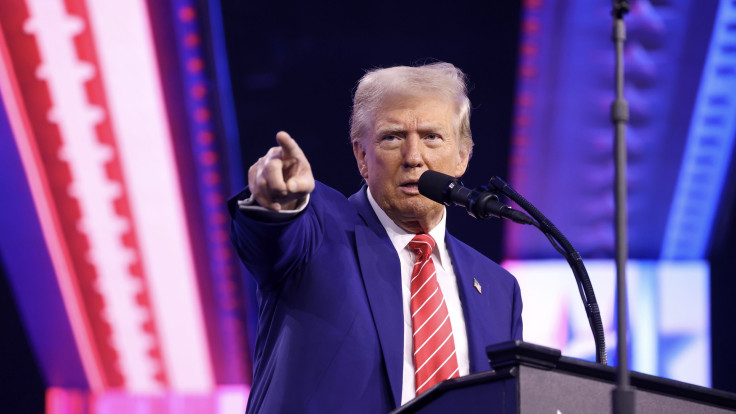
The disagreement between Schmidt and Remnick partly turned on certainty. In his 11 October article, Remnick identified signs of a possible Democratic surge but warned that polling and campaign spending made predictions precarious.
Schmidt acknowledged the value of journalistic scepticism yet expressed much greater confidence that Republicans would lose ground. He also revisited a 2016 observation by journalist Salena Zito about the difference between taking Trump's statements literally and taking them seriously. Schmidt argued that both mattered.
The stakes extend beyond campaign rhetoric. According to the US Federal Election Commission, the general election falls on Tuesday, 3 November. Voters will choose every member of the House of Representatives and elect senators in the contested seats.
A Democratic majority in the House could bring closer scrutiny of Trump's administration and hinder parts of his legislative agenda. A change in Senate control would also shape the confirmation of presidential nominees. But any shift in Congress would leave Trump in the White House.
Schmidt expects a Republican defeat to increase tension, even as he offers no way to know how Trump would respond. For voters, the immediate question is which party will control Congress. The president's reaction, and the political consequences Schmidt fears, would come afterwards.
© Copyright IBTimes 2026. All rights reserved.