

Doomsday Clock 2026: Scientists Claim Reset Means Apocalypse is Approaching
Scientists warn humanity is moving a lot closer to apocalypse than ever before with its January 2026 Doomsday clock reset
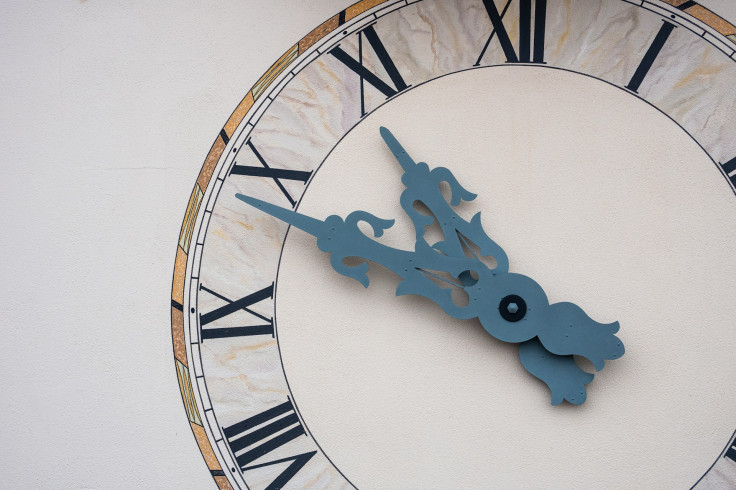
Scientists have ominously claimed that humanity is inching closer to an apocalypse. This claim follows the reset of the Doomsday Clock, the symbolic clock assessing how close humankind is to a self-inflicted catastrophe.
On Tuesday, 28 January, experts from the Bulletin of the Atomic Scientists warned that humanity is moving closer to a catastrophe in an update of the Doomsday Clock. Currently, the clock stands at 85 seconds to midnight, after a four-second advance from the previous year. The clock is also the closest to midnight since it was first introduced in 1947. The time of the Doomsday Clock is determined every year by the Bulletin of the Atomic Scientists' Science and Security Board in consultation with its Board of Sponsors, among them eight Nobel Laureates. The major factors in 2026 included the growing threat of nuclear weapons, AI, biological security concerns, and the climate crisis.
“We have indeed normalized a very dangerous world in terms of the risks of nuclear warfare and climate change,” — Bob Rosner of the Bulletin’s Science & Security Board#DoomsdayClock pic.twitter.com/fHX7P6PY2S
— Bulletin of the Atomic Scientists (@BulletinAtomic) January 23, 2020
Reason for the Reset
In a statement, the Bulletin cited the meaning behind the reset of 85 seconds to midnight. They called for urgent action to be taken towards limiting nuclear arsenals, international guidelines on AI, and forming multilateral agreements to address global biological threats. The January 2025 reset showed the clock at 89 seconds to midnight.
'A year ago, we warned that the world was perilously close to global disaster and that any delay in reversing course increased the probability of catastrophe,' said the Bulletin's official statement of the reset. 'Rather than heed this warning, Russia, China, the United States, and other major countries have instead become increasingly aggressive, adversarial, and nationalistic. Hard-won global understandings are collapsing, accelerating a winner-takes-all great power competition and undermining the international cooperation critical to reducing the risks of nuclear war, climate change, the misuse of biotechnology, the potential threat of artificial intelligence, and other apocalyptic dangers.'
'Far too many leaders have grown complacent and indifferent, in many cases adopting rhetoric and policies that accelerate rather than mitigate these existential risks,' the statement continued. 'Because of this failure of leadership, the Bulletin of the Atomic Scientists Science and Security Board today sets the Doomsday Clock at 85 seconds to midnight, the closest it has ever been to catastrophe...'
Suggestions to Avert Disaster
In the statement, the Bulletin also included their suggestions as to what the international community can do to mitigate disaster despite the reset moving closer to midnight. They specified the responsibility of the US, Russia, and China, as global powers to cooperate.
This included the resuming of dialogue between the US and Russia towards limiting their nuclear arsenals. They also detailed that all countries with nuclear weapons can prevent the destabilising of 'investments in missile defence' and maintain the existing suspension of nuclear testing. They also cited the importance of multilateral agreements and national regulations that the international community can use 'to prevent the creation of mirror life and cooperate on meaningful measures to reduce the prospect that AI be used to create biological threats'.
'The Doomsday Clock's message cannot be clearer. Catastrophic risks are on the rise, cooperation is on the decline, and we are running out of time. Change is both necessary and possible, but the global community must demand swift action from their leaders,' said the Bulletin's CEO and president, Alexandra Bell.
© Copyright IBTimes 2026. All rights reserved.