

Extreme Arctic Cold Forces Cancellation of All Flights at Kittilä, Stranding Tourists in Lapland
Lapland flight cancellations have left thousands of tourists stranded as extreme Arctic cold halts travel at Kittilä Airport.
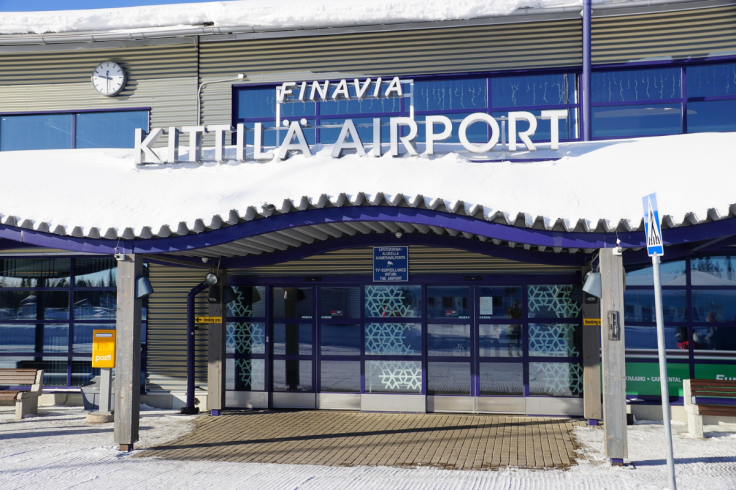
Unrelenting Arctic temperatures and severe winter conditions forced the cancellation of all flights at Kittilä Airport, one of Lapland's primary gateways for winter tourism, leaving foreign visitors stranded in the region. According to reports, temperatures dropped as low as −37 °C, making snow, ice and de-icing challenges too dangerous for flight operations.
Finavia, Finland's state-owned airport operator, confirmed that flights were grounded due to the extreme frost, with forecasters predicting that values could near −40 °C in the coming days. The mass cancellations reflect one of the harshest Arctic cold snaps in recent memory, affecting winter travel across northern Europe.
Frozen Runways Halt Travel in Lapland
Tourists arriving in Lapland hoping to see the Northern Lights or enjoy ski resorts faced unexpected delays as Lapland flight cancellations stretched into multiple days. Heavy frost combined with moisture in the air inhibited aircraft de-icing and maintenance, making safe takeoffs impossible.
Finland's meteorological agency warned that conditions would remain severe, with wind chill and frazil ice further complicating travel logistics. Airlines were forced to cancel flights to and from regional hubs, compounding uncertainty for travellers trying to secure alternative transportation out of the Arctic region.
Tourists Stranded Amid Arctic Freeze
Thousands of travellers have been left waiting at Kittilä and other nearby airports such as Rovaniemi and Ivalo as the Lapland flight cancellations ripple through itineraries. Many visitors had already planned trips around specific time windows for winter activities and now face extended stays.
Local authorities and airport staff have been helping stranded passengers find temporary accommodation where possible, but hotel capacity in the region is heavily booked during peak winter tourism. Flights elsewhere in northern Finland have also seen delays linked to the same weather systems.
Why Flights Cannot Operate in Extreme Cold
Aircraft operations in sub-zero conditions rely on constant de-icing, runway clearance, and specialised ground equipment. When temperatures plunge into the deep Arctic freeze, de-icing chemicals become less effective and fuel and machinery can freeze, making regular flights unsafe.
In addition to the extreme cold, gusty winds and icy runways contribute to hazardous conditions for pilots and ground crews. In Lapland, these factors regularly challenge aviation in normal winter weather, but this outbreak pushed conditions beyond operational limits.
Broader Impacts Across Northern Europe
The Lapland flight cancellations are part of a larger pattern of extreme winter weather affecting northern and central Europe, where heavy snow and frigid temperatures have also disrupted rail and road travel. The Finnish Meteorological Institute predicts temperatures approaching −40 °C around Kittilä, highlighting how unusually severe this cold wave is even for Arctic standards.
Across neighbouring countries, authorities have issued travel warnings and advised against non-essential journeys as winter storms continue to batter the region. Portions of Europe saw rail shutdowns and schools move to online instruction due to hazardous conditions.
Rerouting and Passenger Support
With Lapland flight cancellations affecting routings across Scandinavia, many airlines have advised passengers to remain patient while alternative arrangements are made. Air carriers often focus on rebooking travellers on later flights or to alternative airports when severe weather persists.
However, at remote Arctic gateways like Kittilä, limited infrastructure and spare aircraft make rerouting more difficult than at major hubs. Some travellers must accept extended layovers in Helsinki or other European cities until conditions improve.
What Travellers Should Know
Passengers expecting to travel through Lapland should monitor updates from airlines and official airport operators, as weather systems can shift rapidly in Arctic conditions. Real-time information and airline rebooking portals remain the best sources for updated schedules.
Officials also urge travellers to prepare for delays and consider alternative travel arrangements if possible. Local authorities recommend checking road conditions before attempting overland journeys out of Lapland.
Community and Economic Effects
Beyond individual travellers, extended Lapland flight cancellations threaten economic activity in a region that depends heavily on winter tourism. Hotels, tour operators and local services that thrive in peak season now face uncertainty as visitors are delayed or reconsider future plans.
Tour operators are adapting on the fly, with some offering flexible rescheduling and others warning of limited availability for future bookings due to high demand. As the Arctic cold persists, the broader ripple effects on Lapland's winter economy continue to unfold.
When Service Might Resume
Meteorologists expect that temperatures may ease slightly in the coming days, though wind chill and residual ice could keep ground operations difficult. Finavia and airline partners will continue assessing conditions before clearing flights to depart.
Once temperatures rise above the extreme lows, crews will prioritise snow and ice removal to restore safe runways. Passengers are encouraged to stay in touch with airline rebooking services for the most up-to-date travel options.
© Copyright IBTimes 2026. All rights reserved.