France Delays G7: Why Trump's White House UFC Event Forces a Global Reset
World leaders reshuffle critical summit plans as a high-profile UFC fight on Trump's birthday reshapes global diplomacy.
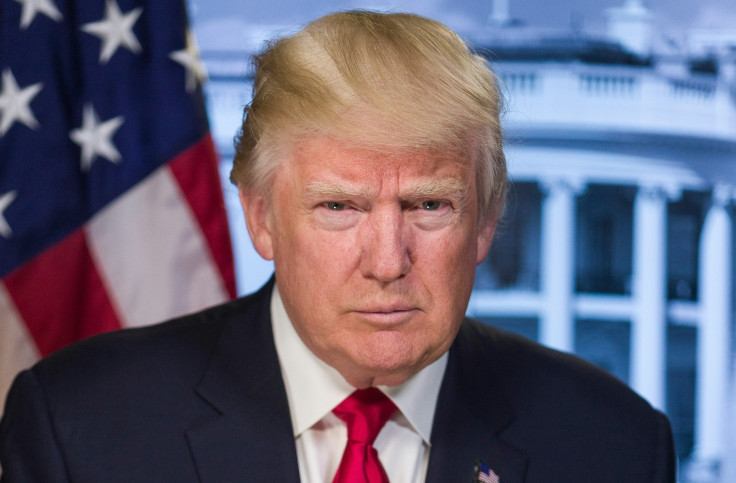
France has postponed its 2026 G7 summit after an unprecedented clash with a high-profile UFC event on the White House lawn commanded by US President Donald Trump.
Two days of crucial diplomatic talks have been shifted following what some diplomats describe as an extraordinary scheduling conflict that highlights how entertainment and politics are increasingly intertwined on the global stage.
Diplomacy Sidelined for White House Spectacle
Officials in Paris confirmed that the Group of Seven (G7) summit, originally slated from 14 to 16 June in Evian-les-Bains, would now be held from 15 to 17 June, a move designed to sidestep a major event taking place at the White House on 14 June, the same day as Trump's 80th birthday.
France's Ministry of Foreign Affairs said the date change came after 'consultations with G7 partners,' though officials did not directly cite the UFC event as the cause.
According to those familiar with planning, the shift was prompted by the White House's announcement that a 'big Ultimate Fighting Championship (UFC) fight' would be staged on the South Lawn on 14 June. UFC President Dana White has previously discussed the event in media appearances, confirming preparations for a celebration of Trump's birthday that is expected to draw thousands of spectators.
Global Reaction: Pragmatism or 'Stupidest Timeline'?
The original summit dates mirrored key symbolic moments: Flag Day in the United States and Trump's milestone birthday. Critics and commentators have noted online that the decision to shift such a high-stakes diplomatic meeting partly to avoid overlapping with an entertainment spectacle raises questions about priorities.
Observers argue that the timing could overshadow critical discussions among leaders of the world's biggest economies on issues such as economic policy, climate change, and security co-operation.
For summit delegates from countries including the United Kingdom, Canada, and Japan, the reprieve is double-edged: it avoids direct competition with a major cultural event, but it also compresses precious time for discussion on pressing global crises. Diplomats are now tasked with re-routing travel plans and rescheduling bilateral meetings.
Reactions among governments vary. Some leaders reportedly viewed the date change as pragmatic, designed to guarantee full attendance by all key participants, including the US delegation. Others expressed frustration at what they see as a precedent where cultural spectacles influence international governance calendars.
Critics on social platforms voiced incredulity, with one comment summarising the sentiment: 'We live in the stupidest timeline,' reflecting disbelief that diplomacy could be rearranged around an entertainment schedule.
A New Intersection of Politics and Spectacle
As host nation, France now prepares to welcome world leaders in mid-June, with the aim of maintaining momentum on critical issues. Meanwhile, the White House continues planning its marquee UFC event, which organisers say is part of broader celebrations and could reshape public expectations of how American political culture intersects with popular entertainment.
Whether this unusual overlap will have lasting implications for future diplomatic planning remains to be seen. But for now, the G7 and international observers alike are adapting to a reality where geopolitics and spectacle increasingly share the global stage.
© Copyright IBTimes 2026. All rights reserved.
- MOST POPULAR IN Trending