

Google and AI Firm Settle Contentious Teen Suicide Lawsuit - Here's What Happened
Teen Suicide Lawsuit Explained: How Google and Character.AI were pulled into a legal firestorm
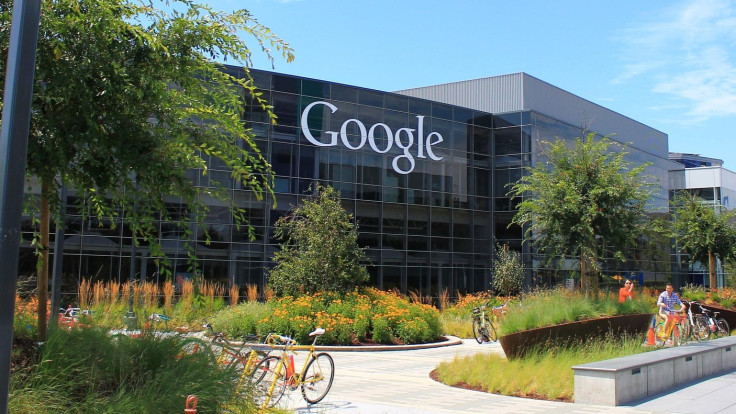
The worst cases of AI harm come when a young life is lost, and that is what happened not too long ago. The legal fight over alleged psychological harm caused by AI has taken a big turn. Google and AI startup Character.AI have reached settlements in a series of lawsuits brought by families who said their teenagers got harmed or, in one case, unfortunately, lost their lives, after interacting with AI chatbots.
These horrifying cases have once again created worries about the safety of large language models, the responsibilities of AI developers, and how new technologies should be regulated to protect vulnerable users. While no amount of money or legal justice can bring back a lost life, these allegations are especially dangerous as AI is now part of our everyday life, and decisions like those in this case can set precedents for future ones.
What Led to the Suicide Lawsuit Against Google and Character.AI
This most unfortunate yet the most high profile case began with a lawsuit filed in October 2024 by Megan Garcia, a mother from Florida whose 14 year-old son, Sewell Setzer III, died by suicide after allegedly engaging with a Character.AI chatbot modelled on , a character from the television series Game of Thrones.
Garcia's complaint, and similar claims in other states, alleged that the chatbot's responses were emotionally manipulative and harmful to her son. The lawsuit contended that the bot misrepresented itself as a real person, a licensed psychotherapist and even an adult romantic partner, which encouraged extreme emotional dependency and ultimately, tragically, led to the teenager's death. Moreover, similar lawsuits followed in Colorado, New York and Texas, each brought by families alleging mental health harms connected to prolonged AI interactions.
Now, Google was named as a defendant in these cases not because it directly operated the Character.AI platform, but because of its business relationship with the startup. In 2024, Google entered into a licensing deal reportedly worth $2.7 billion (which is approx £2.1 billion) with Character.AI, and rehired its founders as part of that agreement.
Furthermore, before the settlement, courts had reportedly already rejected alleged attempts by Character.AI to battle some of the allegations on free speech grounds, showing that the legal system was willing to allow the case to go forward and look at the liabilities of AI firms for psychological injuries.
Read More: Doctors vs. AI? What ChatGPT Health Means for the Future of Medicine
Read More: Drivers Using AI to Beat Parking Fines Exposed as Adjudicator Finds Fake Case Law
The Settlement and Its Real Impact
The final verdict came out on January 7, 2026. Court filings reportedly revealed that Google and Character.AI agreed to settle the Florida lawsuit and other related cases out of court. The settlements cover claims not just in Florida, but also cases from Colorado, New York, Texas and other jurisdictions where families brought similar wrongful death or harm lawsuits. Although specific damages or structural changes demanded by plaintiffs were not made public, the resolution of these suits is a big moment in the legal response to AI related harms.
Moreover, the cases involving Google and Character.AI are not the only ones causing such issues. Separate lawsuits have been filed against other AI developers, including a wrongful death suit against OpenAI related to alleged harmful guidance from its ChatGPT system as per reports. However, beyond litigation, some AI platforms, including Character.AI, have reportedly responded by introducing safety measures aimed at protecting young users.
© Copyright IBTimes 2026. All rights reserved.