

Hackers Target French Blood Storage Systems, Reportedly Setting Temperatures to 110°C
Cyberattackers tried to heat French blood bank fridges to 110C, but France's blood service says no plasma or blood samples were lost
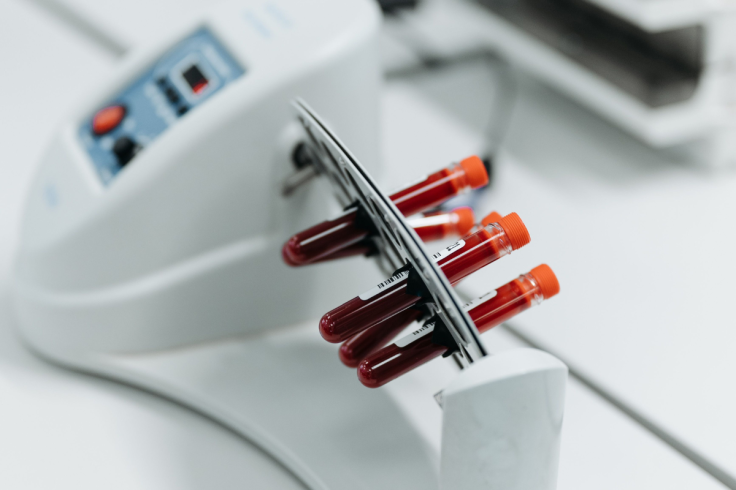
Hackers targeted refrigeration equipment serving three sites operated by France's national blood service, attempting to raise temperature and defrosting settings to extremely high levels.
French weekly Le Canard Enchaîné reported that the settings were changed to 110 degrees Celsius, although the actual temperature reached by the units has not been established.
The Établissement français du sang (EFS), France's national blood service, said the attack affected a supplier of refrigeration equipment serving three of its sites. The French weekly Le Canard Enchaîné identified the contractor as Coolworld.
The EFS said temperature and defrosting settings were raised to 'extremely high levels' on Monday, 2 November, at three of its plasma storage sites. Monitoring and alarm systems quickly detected the anomalies, allowing staff to move or secure the products before they were compromised.
'No health consequences have been identified, and no blood products were lost,' the EFS said in a statement released late on Tuesday, 3 November. It added that blood collection and distribution operations remained uninterrupted, ensuring continued services for hospitals and other healthcare providers.
The affected products included bags of plasma intended for transfusions and plasma used in the manufacture of medicines. According to the EFS, the products were transferred or secured after staff responded to the alerts.
What Happened at the French Blood Banks
According to French weekly Le Canard Enchaîné, the attack targeted Coolworld, a contractor providing refrigeration equipment services to the EFS. The newspaper reported that the intrusion occurred overnight from Sunday, 1 November, to Monday, 2 November, and affected facilities including sites in Bourgogne-Franche-Comté.
According to media reports, the units were normally maintained at about minus 30 degrees Celsius, and their settings were reportedly changed to 110 degrees Celsius. Such a change could have seriously threatened the stored plasma if it had gone undetected. However, the reported setting does not establish that the units actually reached that temperature.
Anadolu Agency reported that an EFS technician on duty noticed rising temperatures overnight. France's Health Ministry said the incident had no operational consequences, while the EFS confirmed that its blood collection and distribution operations continued without interruption.
France's national cybersecurity agency, ANSSI, and the Health Ministry are investigating the incident. The EFS has not identified those responsible, and authorities have not publicly established a motive.
While the EFS has confirmed the incident and the absence of blood product losses, the reported 110-degree setting and the contractor's identification have not been independently established by the agency's public statement.
Refrigeration Attacks Raise Cybersecurity Concerns Across Europe
The blood-bank incident came amid reports of separate cyberattacks affecting supermarket refrigeration systems across Europe.
On 2 November, supermarkets in at least six countries, including Sweden, Belgium, Luxembourg, Ireland, Italy and Estonia, reported problems with fridges and freezers after their temperature controls were apparently accessed remotely.
The consequences varied. One Swedish supermarket reported that its fridges and freezers had been set to 50 degrees Celsius (122 degrees Fahrenheit), according to the Associated Press.
In Athens, butcher George Boubas told Greek broadcaster Skai TV that hackers had altered a refrigeration unit's settings, attempting to raise the temperature to 150 degrees Celsius (302 degrees Fahrenheit). He said the meat was unaffected and that a technician took about two hours to regain control of the system.
Boubas said the business switched off the refrigeration units' Wi-Fi connection to restrict outside access. French cybersecurity guidance separately recommends removing internet exposure from vulnerable refrigeration controllers and restoring remote access through secure networks.
The latest incidents echo a larger attack in October, when hackers altered refrigeration controls at hundreds of supermarkets and independent stores. France's finance minister said about 700 of the country's 10,000 supermarkets were affected.
ANSSI said it had been investigating refrigeration-system breaches since mid-October and was coordinating protective measures with potentially affected industries. Its security alert identifies compromised remote controllers from Danfoss's AK-SM and AK-SC series, as well as Copeland and Dixell xweb systems.
The alert does not establish whether any of these models were involved in the separate incident affecting the EFS contractor.
A Wake-Up Call for Connected Equipment
Connected refrigeration systems give retailers round-the-clock temperature monitoring, alerts and remote maintenance. Internet-connected controllers can also create security risks if they are not properly protected.
'This attack is a wake-up call. We have filled our homes and shops with devices that are really small computers, yet we still treat them like ordinary appliances,' said Katerina Mitrokotsa, full professor and chair of cybersecurity at the University of St. Gallen in Switzerland.
'A fridge doesn't look like a security risk, and that's exactly why attackers like it,' she added.
Investigators have not publicly identified those responsible for the supermarket attacks or established a motive. Authorities have not confirmed whether the separate intrusion affecting the French blood service was connected to the attacks on retailers.
The EFS has confirmed that no blood products were lost and that collection and distribution operations continued without interruption.
© Copyright IBTimes 2026. All rights reserved.