

Advertisement Billboard Reportedly Hacked To Display Porn Video on a Highway in Egypt
Authorities are investigating a breach of the system used to manage the screen
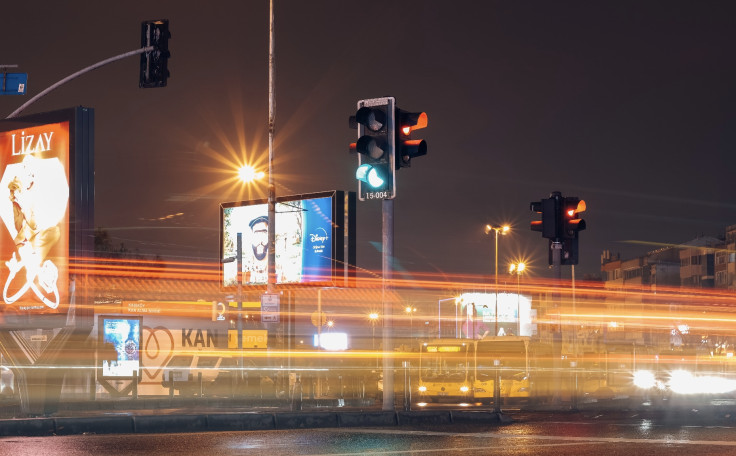
A large electronic billboard overlooking one of Egypt's busiest highways was hacked on Thursday, 29 October, to broadcast sexually explicit footage, prompting an investigation into the security of remotely managed public screens.
The display, along the 26th of July Corridor in Giza, near Cairo, drew attention after motorists stopped to film the images. Videos circulated on social media, carrying a watermark directing viewers to a Telegram channel linked to a hacking group.
Egypt's Interior Ministry said the incident was connected to a cyberattack on an international advertising platform, with unauthorised material appearing on screens in several countries simultaneously.
International Advertising Platform Blamed for Breach
The ministry said the billboard was operated by Egyptian outdoor advertising company Al Arabia United, which uses an international firm to distribute content to its screens.
'The international company's website was subjected to a cyberattack, which resulted in the unauthorised footage being broadcast,' the ministry said. It added that the breach had occurred 'in several other countries, simultaneously'.
Officials did not name the international company or identify every country affected. Al Arabia United said it detected an intrusion by an unknown party and immediately switched off the affected screen. It said it was investigating with authorities.
The ministry confirmed that legal proceedings had been initiated, but did not disclose whether suspects had been identified or arrested.
A Telegram account associated with the name Leakers$ claimed responsibility for the wider incidents and posted a political message criticising Egypt's government. The group also claimed it had found thousands of exposed advertising systems through automated scanning and exploited weaknesses in software used to control LED displays.
Those claims, including the scale of access, have not been independently verified.
Malaysia Shuts Down Eight Screens After Similar Incident
The reports were not confined to Egypt.
In Malaysia, eight LED screens operated by the Kluang Municipal Council in Johor were reportedly hacked on 29 October and made to display obscene material. The council said it had lodged a police report and was working with the screen supplier to establish how the incident happened and strengthen security.
All screens under its jurisdiction were temporarily shut down. Police said the case was being investigated under Malaysia's Computer Crimes Act and Penal Code provisions covering obscene material.
Similar footage was also reported on electronic billboards in Iraq and Brazil. However, the full extent of the alleged international breach remains unclear, and not all incidents have been independently linked to the same attackers.
The latest events echo a 2016 incident in South Jakarta, Indonesia, when a roadside LED screen displayed a Japanese adult film for several minutes before officials cut its power.
Police later arrested a 24-year-old IT analyst suspected of accessing the advertising system after its login details were reportedly exposed. The case highlighted the danger of poorly secured systems connected to public displays.
The incidents show how compromised advertising software or operator credentials can turn public screens into platforms for unauthorised content. Egypt's investigation is continuing, with authorities yet to publish a technical account of how the latest breach occurred.
© Copyright IBTimes 2026. All rights reserved.