

HMRC Can Already Take Money From Bank Accounts Over Unpaid Tax: What UK Budget Changes
The 2026 Budget proposes extending HMRC's debt recovery powers to lower-value tax debts from July 2029
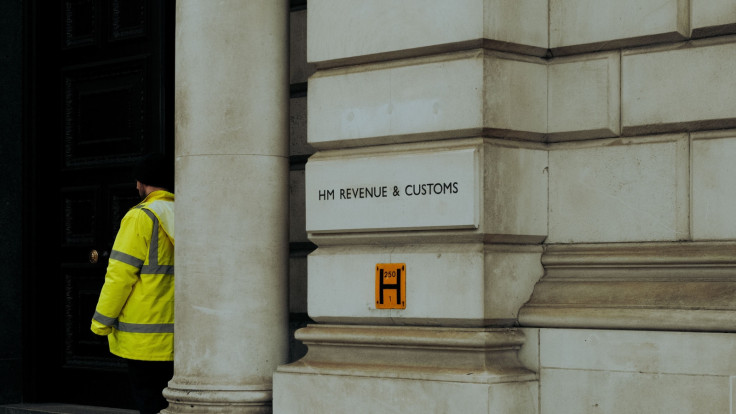
HM Revenue and Customs (HMRC) already has powers to recover certain unpaid tax debts directly from bank and building society accounts. The 2026 Budget announced a separate measure allowing regular deductions for lower-value debts, with implementation planned from July 2029.
Under existing rules, debts must exceed £1,000 ($1,300) and HMRC must leave a combined balance of at least £5,000 ($6,600) across the taxpayer's accounts. The new measure would cover established debts of up to £5,000 for individuals and £10,000 ($13,300) for companies where taxpayers can afford to pay but repeatedly fail to engage.
Reform UK leader Nigel Farage criticised the proposal on X on Wednesday, 28 October, warning that the power could take Britain into a 'dark place.' He also claimed it could be used against people considered a threat by the government.
If HMRC are allowed to take money from individuals’ bank accounts, as proposed in the budget today, then we are heading to a dark place.
— Nigel Farage (@Nigel_Farage) October 28, 2026
This tool could be used against anyone deemed to be a threat by the government of the day. https://t.co/2qILZf7ZPR
What HMRC Can Already Do
HMRC's existing Direct Recovery of Debts powers were introduced under legislation in 2015. They allow the department to recover qualifying tax debts directly from bank and building society accounts, subject to statutory thresholds and safeguards.
The existing process includes attempts to contact the taxpayer, a face-to-face visit and opportunities to object to a proposed recovery or appeal in specified circumstances. HMRC must also leave the required £5,000 combined balance across the relevant accounts.
People unable to pay their tax bills in full can contact HMRC to discuss a Time to Pay arrangement, allowing eligible taxpayers to settle debts in instalments. Other collection methods include adjustments to tax codes under Pay As You Earn (PAYE). HMRC advises taxpayers who are struggling to pay to discuss their options with the department.
What the 2026 Budget Changes
The new measure would extend recovery options to established lower-value debts. The government plans a phased introduction, beginning with companies before extending the system to individuals from July 2029.
The process would be considered only after standard collection activity had been exhausted, following around 10 contact attempts over nine to 12 months. The government says it is not intended to apply to customers who engage with HMRC to manage their debts, including through an agreed payment arrangement.
Tailored affordability assessments would determine whether deductions were appropriate and set their amount and duration. The policy is initially intended to focus on current accounts, according to the published plans.
Proposed safeguards include at least 28 days' notice before deductions begin, manual reviews for customers needing extra support and a 'refund first' approach where a deduction is challenged as mistaken. Additional protections are planned for joint-account holders who do not owe the tax debt but could be affected.
HMRC will consult stakeholders on a Code of Practice explaining how the system will operate. The government intends to publish a draft code and draft legislation for technical consultation in summer 2027. The final rules and safeguards have not yet been settled.
What Taxpayers Should Know
The proposed measure is aimed at people and businesses that can afford to pay established tax debts but repeatedly fail to engage with HMRC. Taxpayers who cannot pay in full can contact the department to discuss possible payment arrangements.
The new system would extend recovery options to lower-value debts, but its detailed safeguards and operating rules remain under development.
© Copyright IBTimes 2026. All rights reserved.