

Pensioners on Low Incomes To Be Spared Income Tax on State Pension in Healey's First Budget
A projected 3.9% increase could push the full new State Pension above the current £12,570 personal allowance, with ministers reportedly considering a specific exemption
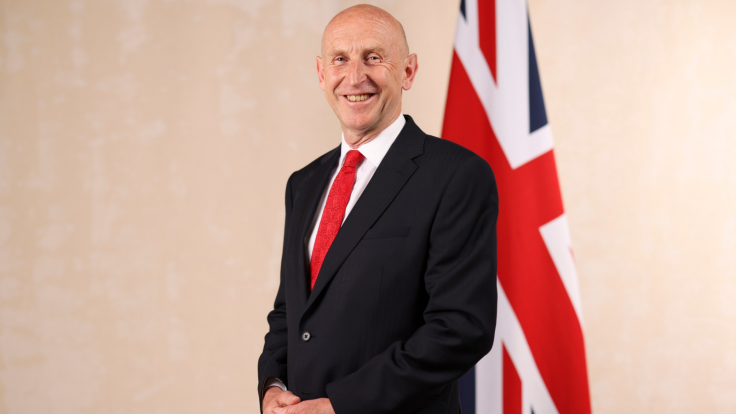
Pensioners whose only income is the full new State Pension are set to be spared paying income tax on it from April 2027, under plans expected to feature in Chancellor John Healey's first Budget on Wednesday.
A projected 3.9% rise would lift the full new State Pension to £250.70 a week, or £13,036.40 over 52 weeks, according to forecasts reported by MoneySavingExpert. That would put it £466.40 above the current £12,570 income tax personal allowance, assuming both figures are unchanged. The government has not announced the final 2027-28 rate.
Treasury sources have suggested ministers are considering a specific tax-free allowance to shield affected pensioners whose only income is the State Pension. No such policy has been formally announced, and the sources have not set out its value, detailed eligibility rules or how it would operate.
What the Figures Mean for Pensioners
The projected increase would not make a pensioner's entire income taxable. Only the amount above the allowance, £466.40 on the current projection, could be liable, and only for people with no other available allowances.
The issue mainly concerns those who rely on the State Pension alone. Pensioners with private pensions or earnings already use some or all of their allowance, so many are already within the tax system. The £13,036.40 figure applies to the full new State Pension, not the basic State Pension, which is paid at a different rate and would still sit below the current allowance.
An additional tax-free allowance of £466.40 would cover the excess for someone receiving the full new State Pension and nothing else, so that no income tax would be due on that pension. However, the amount, the eligibility rules and the mechanism would depend on whatever the government decides when it sets out the detail.
A tax liability does not automatically mean a pensioner must file a Self Assessment return, as the method of collection depends on individual circumstances. HM Revenue & Customs can, for example, adjust tax codes or collect small amounts through existing systems, and any new allowance would need to be integrated into those processes.
The Budget will be delivered on 28 October, but the projected pension increase would not take effect until April. Official Budget documents should show whether any relief is introduced, what it would cost and how it would be funded. No public costing of a pensioner allowance has been identified, and the Treasury has not said whether the measure would be temporary or permanent.
Parties Jostle to Shape Budget Priorities
Political parties have used the run-up to the Budget to set out their own priorities, many of them focused on household energy costs and the wider cost of living.
The Conservatives have called for measures to reduce energy bills. Reform UK has promoted a package of policies it says would encourage economic growth and job creation.
Liberal Democrat Treasury spokesperson Daisy Cooper has called for a Growth and Defence Partnership with the European Union. In a statement on 19 September, the party said it would seek agreements on the single market, a customs union and defence.
The Green Party, led by Zack Polanski, has also called for measures to ease household energy costs and has linked this to broader environmental and social objectives set out in its existing policy platform.
The Budget will be Healey's first as chancellor. Whether it addresses the State Pension and personal allowance issue, and how, will be clear once the government publishes its figures and supporting documents.
© Copyright IBTimes 2026. All rights reserved.