

ICE Officials Question Donald Trump's 'Midterm Panic Moves' and Doubt Ilhan Omar Raid Validity
Behind the immigration crackdown, officers describe growing frustration with Washington's shifting priorities
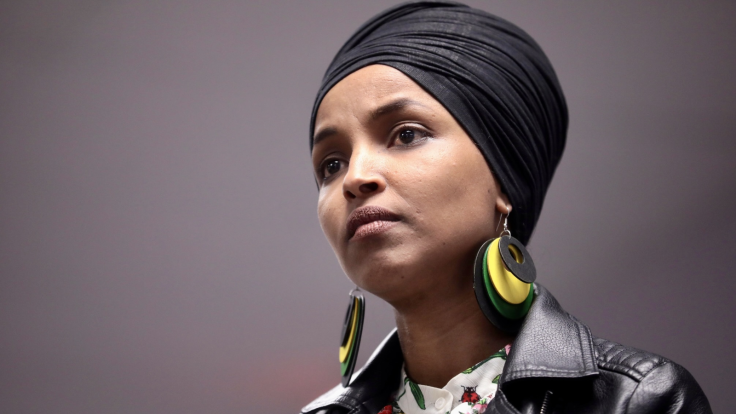
Ilhan Omar's lawyers challenged the 12 October search of her Washington, DC, home on Friday, 16 October 2026. Their objections followed reports that anonymous ICE officials had questioned the raid's timing ahead of November's US midterm elections.
Homeland Security Investigations agents conducted the search under a judicially authorised warrant. The Justice Department confirmed an ongoing criminal investigation but initially declined to identify the suspected offences. Omar, a Minnesota Democrat and outspoken critic of President Donald Trump, denies wrongdoing.
Her attorneys, Amy Jeffress and Joshua Matz, now say investigators disregarded safeguards intended to protect congressional material. The Justice Department disputes that accusation. The disagreement raises a separate legal question from whether the investigation itself was politically motivated.
Why ICE Officials Questioned the Ilhan Omar Home Raid
In a 15 October report, The Intercept described concerns among unnamed immigration enforcement officials about the search and wider changes in agency priorities. One official suspected political motives, although the account did not establish why senior officials approved the investigation.
Another officer, working within Homeland Security Investigations, questioned whether allegations involving paperwork from decades earlier could support the search. That official speculated that investigators might be examining additional offences.
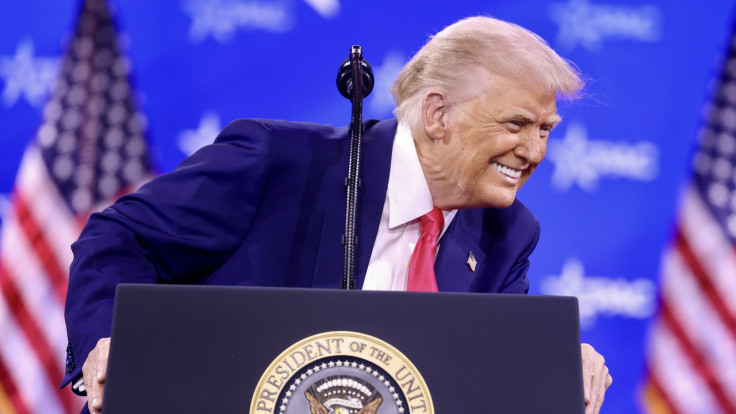
Reuters subsequently reported, citing someone familiar with the sealed warrant, that potential offences listed included conspiracy, false statements and immigration fraud. The warrant's underlying evidence remains undisclosed, making it impossible to assess the strength of the investigation from public records.
Omar arrived in the United States as a Somali refugee in 1995 and became a naturalised citizen in 2000. The reported inquiry concerns whether she or relatives supplied false information during immigration processes. Those allegations remain unproven, and Omar has not been charged.
The political questions have intensified because she is seeking re-election on 3 November. The Justice Department has traditionally avoided public investigative steps involving candidates close to polling day, although that practice does not automatically make a search unlawful.
The Intercept's anonymous sources also criticised other enforcement decisions. They described disagreements over arrests involving undocumented immigrants without criminal convictions, as well as a separate initiative examining possible voter fraud.
One officer called an alleged temporary change in arrest practices a 'midterm panic move.' Importantly, that comment concerned the policy shift, not the legal validity of Omar's warrant.
An HSI official complained that investigators who ordinarily worked on child exploitation and trafficking cases were being diverted to other duties. American Immigration Council senior fellow Aaron Reichlin-Melnick warned The Intercept that allegations of political interference could damage confidence in law enforcement.
These were assessments by individual officials, not evidence of department-wide opposition or proof that the White House directed the search.
Ilhan Omar Home Raid Draws Challenge as Trump Administration Defends Inquiry
In their 16 October letter, Omar's lawyers alleged that federal agents failed to follow conditions governing the handling of potentially protected legislative records. They said the restrictions were intended to safeguard material covered by constitutional protections for congressional work.
The attorneys demanded the return of items taken during the search and asked that recordings of the operation be preserved. According to The Associated Press, agents seized Omar's phone, while prosecutors issued subpoenas involving some of her relatives.
Justice Department spokesperson Emily Covington rejected the lawyers' complaints as 'riddled with false allegations and inaccuracies.' She said federal lawyers and officers had complied with court orders and legal obligations.

Homeland Security Secretary Markwayne Mullin separately defended the inquiry in a 16 October podcast interview, describing it as a 'strong case.' He said agents had served multiple warrants and expected to take their findings to a grand jury. These comments were not an announcement of charges.
Omar's office called the raid an abuse of federal power intended to intimidate Trump's political opponents. House Democratic leaders likewise demanded accountability. Trump, for his part, denied personal involvement and said the matter was up to the Justice Department.
For now, the warrant remains sealed. Whether the search complied with its restrictions, and what evidence investigators presented to obtain it, have yet to be resolved publicly.
© Copyright IBTimes 2026. All rights reserved.