

Immigrant Abuse Victims End Up in ICE Detention Without Charges as Partners Weaponize Deportation Threats
Abuse survivors are detained by ICE after their partners call 911 on them
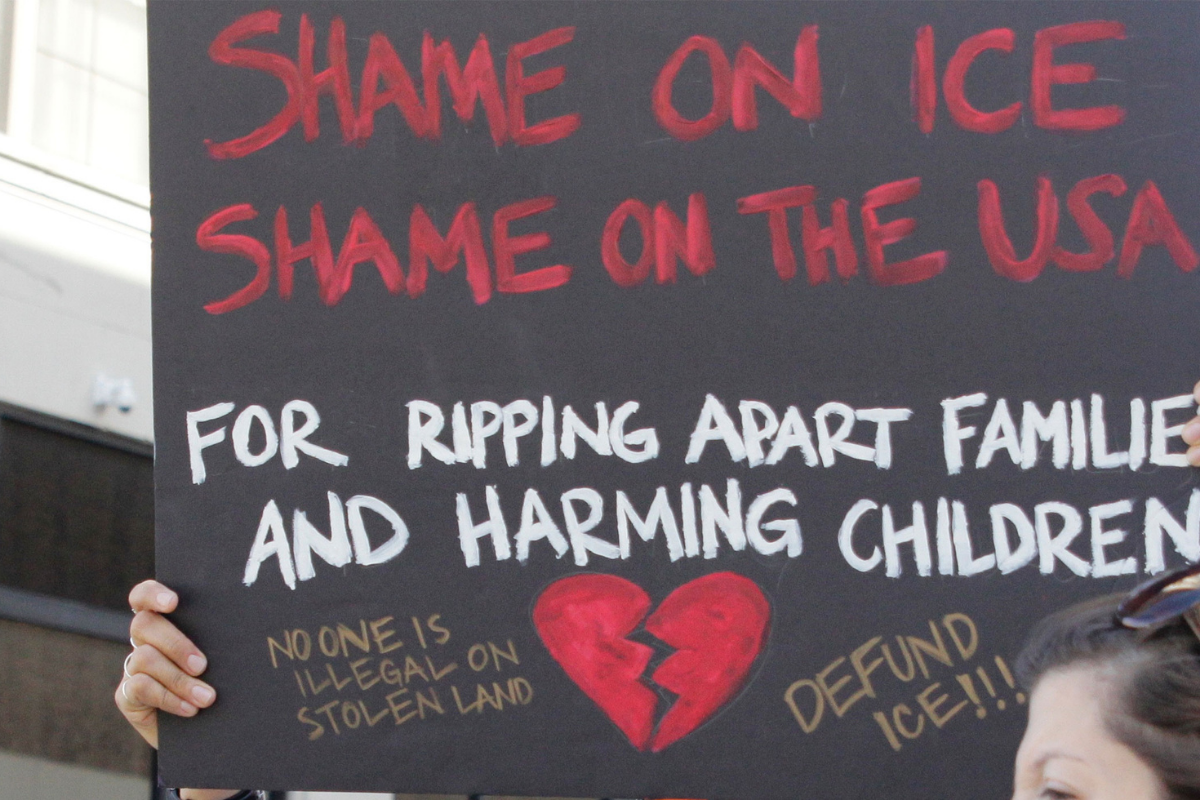
Immigrant women who say they were abused by their partners are being detained by US Immigration and Customs Enforcement (ICE) after police were called to their homes, in many cases without ever being charged with a crime.
The pattern was documented this week in separate investigations by the nonprofit newsrooms ProPublica and The Marshall Project, which reviewed police reports, court filings, and habeas corpus petitions across several states. Attorneys and advocates said abusers are increasingly using the threat of deportation as leverage, knowing a single call to 911 can end with the victim in a cell.
It is happening as immigration detention stands at historic highs. Internal Department of Homeland Security figures showed ICE held about 73,000 people in January, a record for the agency and the first time its population had surpassed 70,000 since it was created in 2003. That was roughly 84 per cent higher than a year earlier.
About 70 per cent of those held this year had no criminal conviction, according to an analysis of federal data by the Transactional Records Access Clearinghouse at Syracuse University. The administration says the agency prioritises dangerous offenders and public-safety threats.
How the Victim Ends Up Arrested
Most of the country directs or requires police to make an arrest when they find probable cause of a domestic assault, and 24 states mandate it. ProPublica found that officers called to chaotic scenes, where both partners trade accusations, sometimes arrest the person who was being hurt. If she is an immigrant, a fingerprint check can alert ICE, and a detainer follows even when prosecutors drop the charge or never file one.
ProPublica reported the case of a Cuban mother identified only as Leya, held for four months after her boyfriend called police during an argument in Wyoming, Michigan. Prosecutors declined to charge her, citing insufficient evidence and no injuries. She was turned over to ICE regardless and separated from her nursing daughter.
'It's just probably the most dangerous time for immigrant women right now who are victims of domestic violence,' said Migladys Bermudez, the immigration attorney who took her case.
The handovers have been driven in part by agreements that deputise local police and jails to assist federal agents. Fewer than 150 state and local agencies had signed so-called 287(g) agreements with DHS in January 2025. More than 2,600 have signed since, ProPublica reported.
Pregnant and Held for Six Months
The Marshall Project reported the case of a Salvadoran woman named Maria, who spent six months at the Bluebonnet Detention Center near Abilene, Texas. Agents detained her in October 2025 at a routine immigration check-in in Dallas. She said she told them she was pregnant. One, she recalled, replied that she would be detained either way.
Maria, 41, has no criminal record and had been pursuing asylum since 2012. Her medical records show she developed high blood pressure and gestational diabetes in custody and gained only 15 pounds by her third trimester, about half what doctors recommend. She said the chicken she was served was pink and watery.
'Since I came into the country, I did everything right, and I haven't done anything wrong,' she said. ICE released her in April without explanation. She gave birth to a daughter on 2 June.
An investigation by the office of Senator Jon Ossoff in July 2025 found pregnant women in ICE custody reported being denied adequate food and medical care, with some made to sleep on the floor in overcrowded facilities. DHS rejected the findings, saying its detention centres meet higher standards than most prisons holding US citizens.
Protections Rolled Back
For decades, Congress treated immigrant crime victims as people to protect rather than deport. The Violence Against Women Act, long backed by both parties, created a route to legal status for immigrants abused by a partner or harmed in other serious crimes.
The Trump administration moved against those protections after returning to office in January 2025. It rescinded guidance that had barred arrests at shelters and hospitals, then rolled back key safeguards for crime victims about a week later. Survivors and advocacy groups sued, and a federal judge ordered the protections restored in May. The administration has appealed.
Chris Becker, the prosecutor in the Michigan county where Leya was arrested, said fewer women are reporting abuse.
'There's been a chilling impact to women coming forward in domestic violence situations due to what's going on,' Becker said.
Maria has another ICE appointment this month and a standing removal order. Her attorney, Paul Zoltan, said that under the current administration, anyone the agency can reach is at risk of being taken into custody.
© Copyright IBTimes 2026. All rights reserved.