

Texas Woman Sues Anti-Abortion Activists Under Law They Backed After They Allegedly Ordered Abortion Pills in Undercover Sting
Texas woman turns abortion pill ban on the activists who backed it
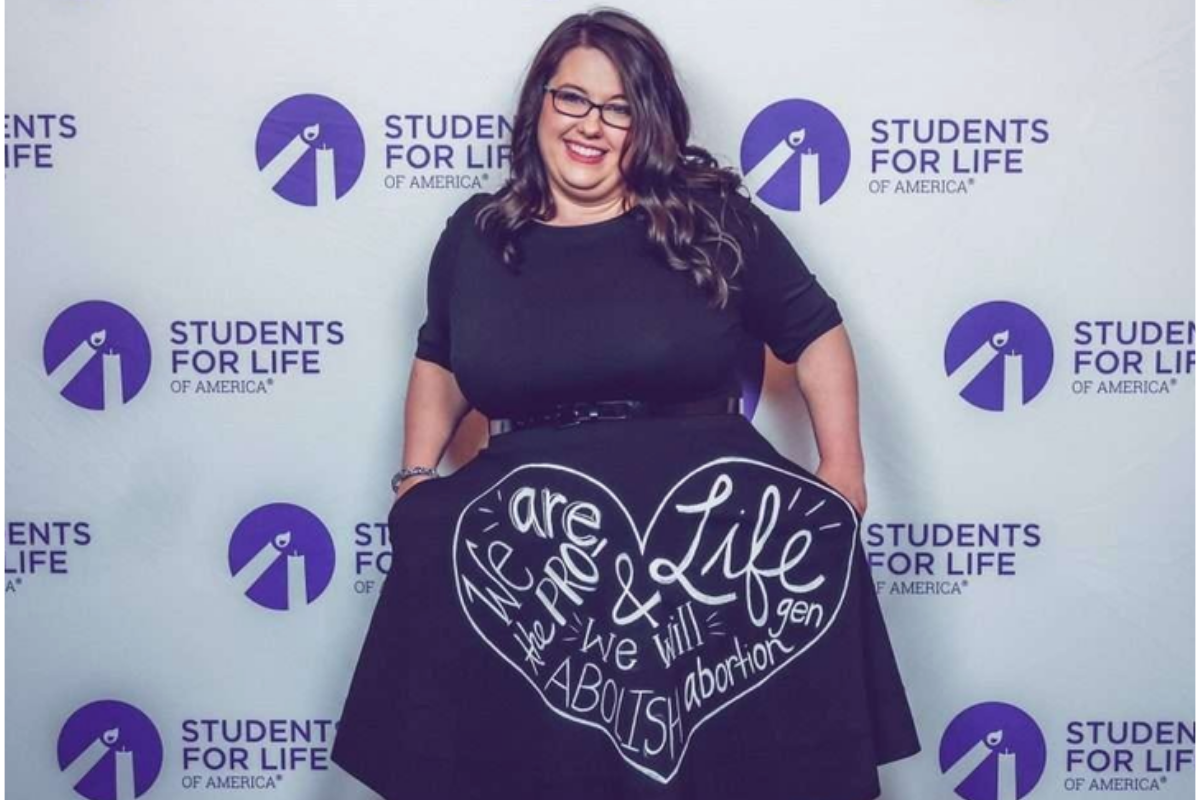
A Texas mother is suing four anti-abortion activists under a law their organisation helped enact, alleging that their undercover efforts to obtain abortion pills violated the restrictions they supported.
Maria Puerto, a 26-year-old mother of two using a pseudonym to protect her family, filed the lawsuit on 13 October 2026 in a Harris County district court. The complaint alleges that four activists affiliated with Students for Life of America participated in an effort to order abortion medication on 23 March 2026 outside Space Center Houston.
The filing cites a since-expired Instagram story from one of the defendants that read, 'Guess what we are doing? Ordering abortion pills undercover? Yep. Stay tuned.'
Puerto's complaint characterises the operation as an apparent publicity stunt. Students for Life President Kristan Hawkins has rejected the lawsuit, calling it frivolous and a publicity stunt.
The Law They Helped Pass
Known formally as the Woman and Child Protection Act, House Bill 7 took effect on 4 December 2025. It prohibits certain activities involving abortion-inducing drugs, including distributing, mailing, transporting, delivering, prescribing or providing them to or from anyone in Texas, subject to exceptions.
Rather than relying on state prosecutors, the law allows most private citizens to file civil lawsuits against alleged violators, even if they were not personally affected. Successful plaintiffs may obtain an injunction and an award of at least $100,000 (approximately £75,400) per violation.
Under the law, plaintiffs who do not fall within certain categories of affected individuals or relatives receive $10,000 (approximately £7,540), with the remainder held in trust for a qualifying charity of their choice.
Students for Life Action, the lobbying arm of Students for Life of America, supported the measure before its passage last year.
However, the lawsuit raises an unresolved legal question. HB 7 does not explicitly prohibit ordering abortion medication, although it restricts transporting the drugs within Texas. It also permits lawsuits over intended violations.
'What the statute says is that transporting abortion drugs from one location to another within the state is a violation of HB 7,' Puerto's attorney, Molly Duane, told the Texas Tribune.
'This is the problem with writing such a confusing and vague law.'
Who Is Being Sued
The complaint names Hawkins alongside Lydia Taylor Davis, Jamie Curry and Megan Roos. It cites social media evidence of the undercover operation and alleges that the four were involved.
However, the extent of each defendant's participation remains disputed, and the lawsuit does not establish that all four personally completed orders.
None of the defendants was pregnant at the time, according to the complaint. HB 7 protects women from lawsuits over obtaining abortion-inducing drugs to end their own pregnancies, but that specific exemption would not apply to the alleged undercover activity. Other statutory exceptions and possible legal defences may still be relevant.
🚨I’M BEING SUED🚨
— Kristan Hawkins (@KristanHawkins) October 13, 2026
A Texas mom is suing me and three @StudentsforLife staffers because she claims our pro-life work was so effective that she was “forced” to have her baby.
Imagine suing someone for being TOO good at their job. 💅
Anyway, back to saving babies! pic.twitter.com/uu38oJnzcI
Duane, of Amplify Legal, the legal arm of advocacy group Abortion in America, said she hopes the proceedings will establish whether the defendants received the medication and what happened to it afterwards.
In a video posted to X on Tuesday, Hawkins dismissed the legal action and urged Texas Child Protective Services to investigate Puerto.
Students for Life Vice President Kristi Hamrick also rejected the allegations, describing the lawsuit as a 'backhanded compliment' to the organisation's legislative work.
In an official statement, Hamrick said the group would address the case through legal counsel.
The Texas Tribune reported that its request for comment from the defendants was directed to the organisation's statement.
The Cost of Two Pregnancies
Puerto is seeking $459,782 (approximately £346,700), an amount the complaint describes as the average cost of raising two children from birth to age 18 in Texas.
Her two pregnancies occurred before HB 7 took effect. According to the lawsuit, both were unplanned and happened despite contraception. She says she could not obtain abortions because of Texas's existing restrictions and the expense of travelling out of state.
Her first pregnancy in 2022 forced her to leave college and cost her a job, the complaint alleges.
Under HB 7's payment rules, Puerto would personally receive $10,000 if she secured a monetary award. The remainder would be held in trust for a qualifying charity she designates.
She has identified Jane's Due Process, a nonprofit helping young Texans access abortion care and contraception, as her intended beneficiary.
In an essay for The Meteor, Puerto described how Texas's abortion restrictions had affected her education, employment and financial security.
'I've filed a lawsuit against those who helped build these horrible laws,' she wrote, arguing that the activists had enjoyed the privilege of allegedly breaking restrictions they helped establish.
Other Lawsuits Target Abortion Pill Providers
HB 7 passed the Texas Senate by a 17-8 vote on 3 September 2025 before Governor Greg Abbott signed it on 17 September.
Supporters promoted the legislation as a way to restrict abortion pills mailed into Texas from providers in states where abortion remains legal.
At least two other lawsuits have been filed under HB 7, according to the Texas Tribune. Those cases targeted alleged abortion pill providers rather than activists who campaigned for the restrictions. Puerto's case presents a different legal test: whether an undercover operation by abortion opponents could expose them to liability under the law they supported.
The filing does not establish whether the allegedly ordered pills were delivered, transported within Texas or consumed. No court has determined that the defendants violated HB 7.
'But if anyone should be benefiting from these legal regimes, it's people like our client,' Duane told the Texas Tribune. 'This is the situation that Texas has put its citizens in.'
© Copyright IBTimes 2026. All rights reserved.