

Irish School Meals Provider Ordered To Close Timahoe Food Site After 'Rodent Droppings' Found on Oven
The reported HSE enforcement action cited pest-control, cleaning and food-storage concerns, but the order's scope and current status remain unconfirmed
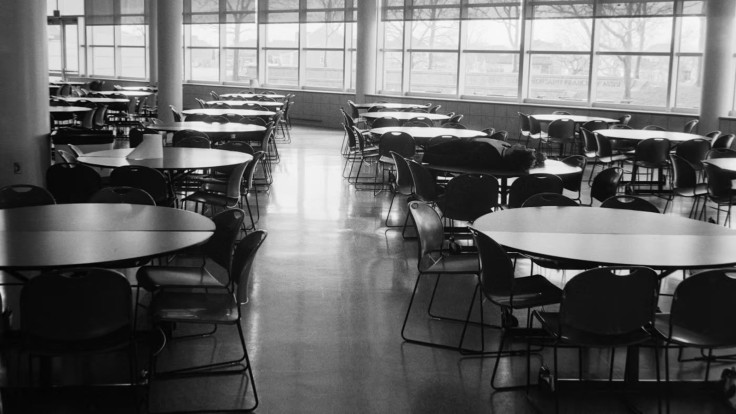
Rodent droppings were reportedly found on the stainless steel rims of ovens at a school meals kitchen in Timahoe, Co Laois, prompting a closure order against the site used by Irish provider The Lunch Bag.
Inspectors are understood to have identified droppings on food-contact surfaces and inside cupboards at the Timahoe operation, which prepares meals for schoolchildren. The reported findings raised concerns about pest control, cleaning standards and the protection of food from contamination.
The closure order reportedly recorded droppings on food-contact materials and inside cupboards. Inspectors also identified problems with the cleanliness of the premises and the storage of food and packaging.
The order was reportedly served on 23 September 2026 by an authorised officer of Ireland's Health Service Executive (HSE). Its exact date, scope and current status should be confirmed against the signed enforcement document before publication.
The premises identified in the report was the food business operating at Timahoe GAA, Páirc Mhochua Cremorgan, Timahoe, County Laois. The precise activities and areas covered by the order must be established from the original document.
The reported findings appeared in coverage of Ireland's food safety enforcement activity. The Food Safety Authority of Ireland (FSAI) publishes information about enforcement orders and explains the circumstances in which authorities can restrict food businesses. Its official enforcement guidance outlines the relevant powers and procedures.
What Inspectors Reportedly Found at the Timahoe Food Site
According to the supplied account of the closure order, rodent droppings were found on the stainless steel rims of ovens. Inspectors also reportedly identified droppings on shelving beneath a sink and inside cupboards.
The report described additional cleaning concerns. The premises, equipment and bathroom were reportedly not being kept clean, while dead insects were observed on window ledges and floors.
The account also stated that food packaging and open food were stored in the same area. This raised concerns about the possibility of contamination by rodents.
The distinction between a contamination risk and confirmed contamination is important. The reported inspection findings indicate a food safety concern, but they do not, by themselves, establish that contaminated meals were supplied to schoolchildren or that anyone became ill.
The closure order reportedly described the conditions as presenting 'a grave and immediate danger to public health.' It also warned of 'a serious risk of food being contaminated with pathogenic bacteria.'
These statements should be checked against the original enforcement document to ensure that the quotations are reproduced accurately and in their original context.
The FSAI explains that a closure order may be issued when an authorised officer considers that conditions at a food premises pose, or are likely to pose, a grave and immediate danger to public health. The order may apply to an entire premises, a particular area or specified activities.
A closure order is an enforcement measure intended to address a food safety risk. It should not automatically be described as a criminal conviction, nor does its existence establish that a business has caused illness.
The order's precise scope is therefore significant. It determines which parts of the operation must stop and whether other activities can continue.
Other Irish Food Businesses Reportedly Subject to Enforcement
The supplied account also reported that 12 food businesses received closure orders in Ireland during September 2026. That total, the legal classifications and the names of the businesses require confirmation against the relevant FSAI records.
According to the draft, 10 businesses were subject to orders under the Food Safety Authority of Ireland Act 1998, while two received orders under the European Union (Official Controls in Relation to Food Legislation) Regulations 2020.
The businesses named in the account included Furlong's Bar & Lounge and Nellie's Takeaway in County Wexford. It also identified Fia's Café in Limerick and a Centra shop in Mullagh, County Cavan.
The draft listed Summergrove House and The Thatch among the premises reportedly subject to orders in County Laois. Other names included Everest Kitchen Nepalese in Ennis, Marka Cadey 2 in Dublin and The Hopsack at Swan Leisure Centre in Rathmines.
Eskimo Pizza and Indian in Ballyheigue, County Kerry, and J2 Sushi & Bento in Swords, County Dublin, were identified as the two businesses reportedly subject to orders under the European Union regulations. Each name, address and legal classification should be checked against the official register before publication.
The account also identified Pizza Petito, a takeaway on Orwell Road in Rathgar, Dublin 6. Its separate closure order reportedly described an active rat infestation, with droppings found in several parts of the kitchen, including beneath a refrigerator.
Those findings relate to a separate business and should not be attributed to The Lunch Bag. Any comparison between the cases should be based on the respective enforcement documents.
The draft attributed comments on food safety standards to Greg Dempsey, identified as chief executive of the FSAI. His title at the time and the precise wording of the quoted remarks require confirmation against the original announcement.
The reported comments emphasised the importance of effective pest control, regular cleaning, safe food storage and staff training. These are relevant food safety measures, but the quotations should not be published until checked against the original statement.
The FSAI provides guidance and learning resources for food businesses seeking to understand their obligations. Its enforcement guidance also explains that closure orders may be lifted when the relevant premises or activities have been brought into compliance.
The status of The Lunch Bag's Timahoe site remains unconfirmed in the material available for this review. The article should not state that the site remains closed or has reopened without checking the latest official records.
Likewise, no conclusion should be drawn about whether school meal deliveries were disrupted, whether pupils received affected food or how parents responded. Those questions require separate evidence.
The central issue is the reported inspection findings and the action taken by the relevant authority. Confirming the original order, its scope and any subsequent update is necessary to provide readers with an accurate account of the case.
© Copyright IBTimes 2026. All rights reserved.