

Jon Venables, Now 43, Granted New Parole Hearing — and Still Protected by Lifelong Anonymity
Jon Venables has been granted a new parole hearing, though no date has been set
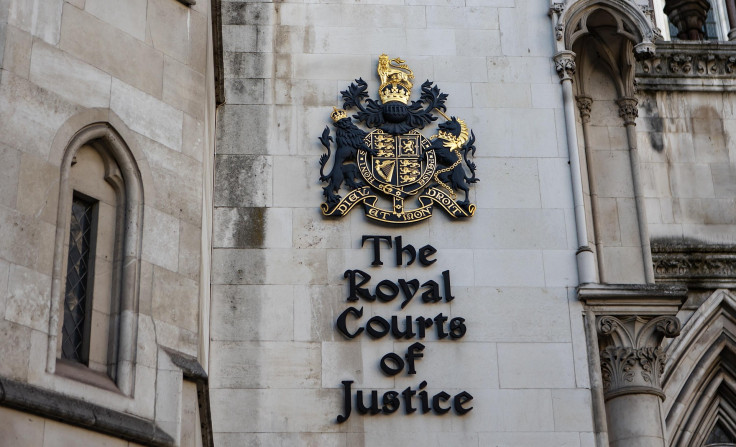
Jon Venables, one of the two boys convicted of the 1993 murder of toddler James Bulger, has been granted a further parole hearing, the Parole Board has confirmed. Venables, now 43, remains subject to a lifelong anonymity order that continues to bar the publication of his identity, location or personal details.
The decision revives one of the most sensitive cases in British criminal history and comes after repeated failed parole bids and multiple recalls to prison. It has again raised questions about public protection, rehabilitation and the continued concealment of Venables' identity more than three decades after the killing.
The renewed review has also caused fresh distress for the Bulger family, who are expected to submit victim impact statements as part of the process. The case continues to draw scrutiny over how the parole system manages offenders convicted of serious crimes committed in childhood.
New Parole Review Confirmed
The Parole Board said it has agreed to reassess Venables' suitability for release following his most recent period in custody. A hearing date has not yet been set, and any outcome will depend on updated risk assessments and evidence of whether he can be safely managed in the community.
Venables has been recalled to prison twice since his initial release. In 2010 and again in 2017, he was returned to custody after breaching licence conditions, including offences involving indecent images. His most recent parole application was refused in 2023, with assessors citing ongoing concerns about risk and compliance.
The Parole Board has stressed that public protection remains its overriding priority. Victim impact statements, psychological assessments and reports on behaviour while in custody will form part of the evidence considered at the hearing.
Lifelong Anonymity Remains in Force
Venables continues to be protected by a lifelong anonymity injunction granted in 2001, when he and his co-defendant Robert Thompson were released on licence after serving minimum terms for the murder.
Such orders are extremely rare in UK law and are intended to prevent serious harm where there is a sustained risk of vigilantism. Courts have repeatedly upheld the injunction in Venables' case, concluding that revealing his identity would place him at significant risk of violence.
Legal challenges to overturn the order have previously failed. Judges have ruled that the risk to Venables' life outweighs arguments for open justice, even as public interest in the case remains intense. The anonymity order will apply throughout the parole process.
Public Reaction and Continuing Debate
News of the new parole hearing has reopened public debate over rehabilitation, accountability and confidence in the justice system. Campaigners have argued that Venables' repeated recalls demonstrate persistent concerns about his ability to live safely in the community, according to The Guardian.
James Bulger's mother, Denise Fergus, has previously said that repeated parole reviews cause lasting emotional distress for the family. Victim advocacy groups have also questioned whether lifelong anonymity undermines transparency in cases involving serious offending, according to The Sun.
Others argue that parole and anonymity decisions are governed by law and evidence, not public sentiment. Supporters of the current framework say offenders convicted as children are entitled to consideration under rehabilitation principles set out in UK and international law.
If this piece of shit walks free I want to remind everyone that it's illegal to post any pictures of what he currently looks like as an adult.
— Count Dankula (@CountDankulaTV) January 13, 2026
Unless you're American. https://t.co/mSxM1rFULz
Gee, I hope that's not an image of Jon Venables, who tortured and killed a 2-year-old and then after his release was arrested for child porn and then after THAT release was arrested for child porn again.
— Welcome Matt. (@YrWelcomeMatt) January 13, 2026
Posting his image could make it harder to go on living his life in peace.
If released, they should not provide a new identity, and should share his mugshot widely
— Josh Cheshire (@JJPACheshire) January 13, 2026
He is a serial child abuser in adulthood, a murderer in his adolescence
People deserve to know if Venables is moving to a town near you https://t.co/I3KGu5gG5x
What Happens Next
The Parole Board has not indicated when a decision will be reached. Until then, Venables will remain in custody and protected by the anonymity order.
As the review proceeds, the case is likely to continue prompting debate about punishment, rehabilitation and public protection in some of the most complex areas of the criminal justice system.
© Copyright IBTimes 2026. All rights reserved.