

Deadly Brain-Eating Amoeba Case Prompts Restrictions at Six Artificial Lakes in Mexico's Mérida
The measures follow the death of a water sports instructor linked to Naegleria fowleri exposure at Plaza La Isla, while parks remain open
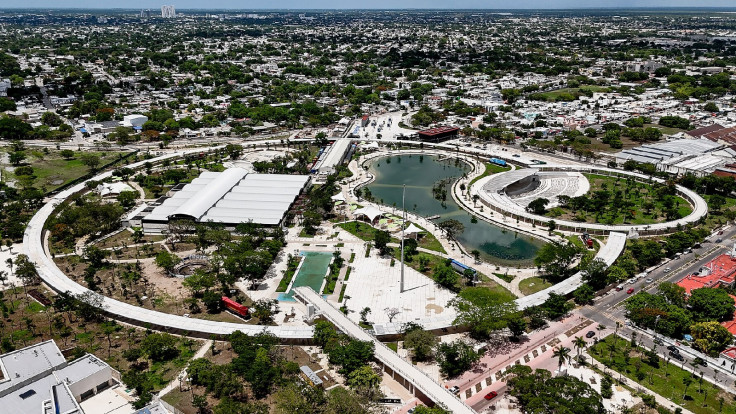
Naegleria fowleri, the so‑called 'brain‑eating amoeba', has prompted Yucatán health authorities to restrict contact with the water at six artificial lakes in Mérida, after the death of a 34‑year‑old water sports instructor linked to one of the sites.
The curbs, announced on Wednesday, 14 October, follow tests that detected amoebae of the Naegleria genus in several man‑made lakes, including the artificial lake at Plaza La Isla where the instructor had taken part in activities before falling ill.
Mexico's national epidemiological reference laboratory confirmed Naegleria fowleri as the cause of death, while Yucatán officials identified Plaza La Isla's lake as the probable source of exposure, though not a definitively proven point of infection.
A broader investigation then examined nine artificial lakes across the city. State health authorities reported finding Naegleria amoebae in six of them, but their 14 October statement did not say that the dangerous N. fowleri species was present at all positive sites.
Six Artificial Lakes Face Water-Contact Restrictions
The affected lakes include Plaza La Isla and two lakes at Cabo Norte, identified as its eastern and main lakes. The other three are the lake at Centenario Zoo, the lake at Gran Parque La Plancha and the lake at Parque Ecológico del Poniente.
Tests did not detect Naegleria in Cabo Norte's central lake, Acuaparque or the lake at Animaya Zoo. The results therefore concern particular artificial bodies of water and do not amount to a warning that all lakes or recreational water sites in Yucatán are contaminated.
The government ordered barriers and warning notices around the affected waters and said their operators had begun sanitation work. Specialists from the Autonomous University of Yucatán and the research institute Cinvestav are assisting, while the authorities oversee the measures required before the lakes can return to their previous uses.
Crucially, the restrictions apply to contact with lake water rather than to the surrounding parks as a whole. The government said parks and zoological grounds would remain open to visitors, including Animaya, where catamaran trips continue without passengers entering the water.
Officials describe the nine inspected lakes as ornamental features not intended for swimming. Plaza La Isla, however, had hosted water sports, and its lake was previously identified by investigators as the probable place where the instructor encountered the organism.
How the Brain-Eating Amoeba Causes Infection
Naegleria fowleri lives in warm freshwater and can cause primary amoebic meningoencephalitis, a rapidly progressing infection of the brain and surrounding tissues. According to the US Centers for Disease Control and Prevention, cases are exceptionally rare but are nearly always fatal.
Infection occurs when water containing the organism enters the nose and the amoeba reaches the brain. It cannot be contracted by swallowing contaminated water, and the disease does not spread from person to person.
That distinction is particularly important when discussing public drinking water. The Yucatán government said in September that Plaza La Isla's artificial lake was not connected to the drinking‑water network, and the subsequent results from nine artificial lakes do not establish contamination of Mérida's public supply.
Nevertheless, swallowing water and allowing contaminated water into the nose are not the same risk. The CDC warns that infections have occasionally followed nasal rinsing with contaminated tap water and advises using distilled or previously boiled water for that purpose.
Brain-Eating Amoeba Monitoring Ends Without Further Cases
Yucatán's health authorities monitored 361 people who had visited the lake at Plaza La Isla following the instructor's death. All completed their observation period on 4 October without developing the infection, according to the state government's statement of 14 October.
The findings bring some reassurance, but officials have not treated the absence of further human cases as a reason to lift the restrictions. Each lake operator must meet the authorities' operating requirements, with laboratory confirmation needed before the affected water can be used again for its permitted activities.
The state has also expanded surveillance to other artificial bodies of water in Mérida. An inter‑agency group involving university researchers and water authorities is working on longer‑term rules for artificial lakes, while the government says it will publish additional test results as they become available.
For anyone who has had water enter their nose at an affected lake, symptoms such as severe headache, fever, nausea, vomiting or a stiff neck require urgent medical attention.
© Copyright IBTimes 2026. All rights reserved.