

CDC Monitors Russia's Suspected Pneumonic Plague Case as 'Here We Go Again' Reactions Erupt Online
Pandemic comparisons are spreading online as health experts stress that the suspected plague case is still unconfirmed
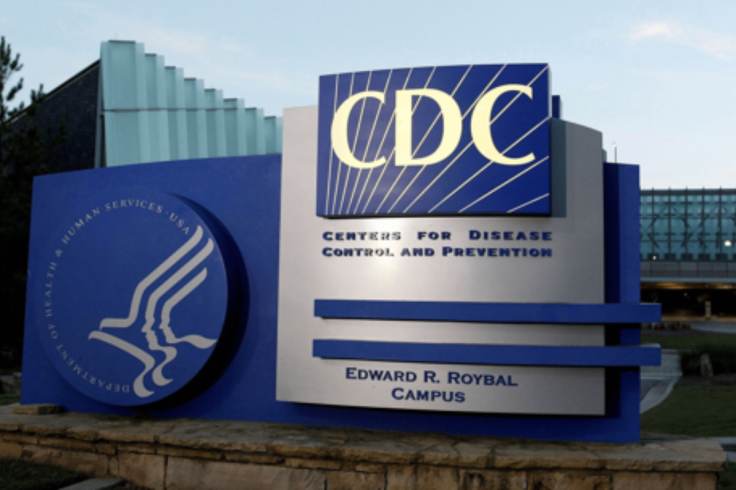
The death of a 28-year-old woman who worked at an anti-plague laboratory in Russia has prompted US health officials to monitor a suspected case of pneumonic plague, while anxious reactions online have included comparisons with the COVID-19 pandemic.
Darya Shipilova died on 2 October after developing severe pneumonia, with Russian authorities describing the illness as pneumonia of 'unknown aetiology'. The US Centers for Disease Control and Prevention (CDC) said it was closely monitoring reports of a suspected pneumonic plague case in Russia's Irkutsk region, stressing that the circumstances remain unconfirmed. The agency said there was 'no indication of a broader threat to the United States.'
Online Fears Echo COVID-19 Concerns
In a Reddit discussion asking whether the suspected case could become a major public health problem, one user responded, 'Ah f*ck, here we go again.' Another wrote, 'I'm sure COVID was just the test run for whatever they're cooking up next.' A third took a more measured view of the potential risks, writing, 'It's too early to tell. If more people die, that's a bad sign. If it escapes from the quarantine area, that's a bad sign.'
The comments illustrate some of the uncertainty expressed online, rather than expert assessments of the outbreak risk. Meanwhile, nearly 200 people who had contact with Shipilova were initially placed under medical observation as authorities investigated the circumstances surrounding her death.
A Plague Diagnosis Has Not Been Confirmed
The central question remains whether Shipilova had plague at all. Russian health authorities have described her illness as pneumonia of unknown origin and said testing of her contacts found no evidence of dangerous infectious pathogens. The World Health Organisation (WHO) said Russian authorities had reported no confirmed plague cases in Irkutsk. WHO initially assessed the public-health risk as moderate to low in the affected area, low for Russia overall, and very low for the WHO European Region.
Unconfirmed reports have alleged that Shipilova may have been exposed to plague after a laboratory accident. Russian authorities have denied that any accident involving pathogenic microorganisms occurred at the institute.
Lisa Morici, a microbiologist and immunologist at Tulane University School of Medicine, cautioned against assuming the worst. 'Maybe it's going to come out that she died from something unrelated and it was just a coincidence that she worked at an anti-plague laboratory,' she said.
How Pneumonic Plague Spreads Between People
Plague is a bacterial infection caused by Yersinia pestis. The WHO identifies three forms: bubonic, pneumonic, and septicaemic. Bubonic plague is the most common form, usually spread by infected flea bites. Meanwhile, Septicaemic plague occurs when the bacteria spread through the bloodstream.
Pneumonic plague is the least common form but the one that can spread directly between people. It can pass through respiratory droplets when an infected person coughs or sneezes. Dr. Dave Wagner of Northern Arizona University said respiratory droplets may travel roughly three to six feet before quickly falling to the ground.
Additionally, Dr. William Schaffner of Vanderbilt University Medical Centre said people in close contact face the greatest risk, with transmission generally occurring through close, face-to-face contact rather than across an entire room.
Experts See No Evidence of a Wider Outbreak
Despite the alarming headlines and online reactions, health officials and infectious-disease experts have reported no evidence of wider transmission linked to the suspected case. Dr. Glenn Wortmann, section director of infectious diseases at MedStar Washington Hospital Centre, said plague bacteria do not 'travel very far'.
'It is highly unlikely for most people to develop the pneumonic form of the disease,' Lisa Morici said. Unlike COVID-19, pneumonic plague spreads through respiratory droplets and typically requires close, sustained contact. 'It is nothing like the COVID-19 pandemic,' she added. Officials are continuing to monitor the situation as they investigate the cause of Shipilova's illness and death.
© Copyright IBTimes 2026. All rights reserved.