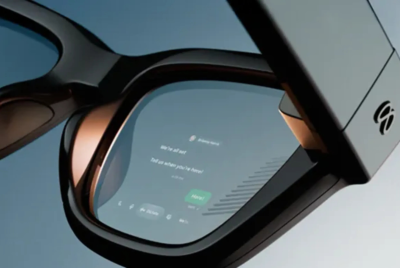
New Meta Glasses Pitch an 'Enhanced Privacy Platform' but Face-Recognition Code Already Hit Millions of Phones
The company says its Private Processing technology could protect sensitive AI data, but has not explained how it would apply to the dormant NameTag system or future biometric features


Meta is pitching its expanding smart-glasses line on privacy just months after face-recognition code for its glasses reached an app downloaded more than 50 million times.
At Meta Connect on 23 September 2026, the company said it plans to bring its Private Processing technology to its smart glasses, describing it as an 'enhanced privacy platform' designed to let AI services process sensitive information without Meta itself accessing the data.
Meta Puts Privacy at the Centre
Private Processing enables cloud-based AI processing while protecting data from outside parties, including Meta. The technology was introduced in WhatsApp and the Meta AI app in 2025 and was later used to help enable WhatsApp's Incognito Chat, which launched in May 2026.
Pritam Shah, Meta's director of engineering, told WIRED the platform is 'ready' and 'working'. Meta announced plans to bring the technology to its glasses ahead of putting more experiences on the platform, allowing the company to work with security and privacy researchers and a third-party auditor.
Private Processing is not yet available on Meta's glasses. The company has not specified which features will use it or given a timetable for its arrival. On 4 June, WIRED reported dormant face-recognition code called NameTag in the Meta AI companion app for Ray-Ban and Oakley smart glasses.
The Code Reached Millions of Phones
NameTag was not enabled for consumers, but the code described a system capable of taking images of faces captured by the glasses, detecting and cropping them, converting them into biometric faceprints and comparing those faceprints against a local store.
The system contained three models. It also included a pending folder for unrecognised faces that were detected and stored on the device. WIRED reported that the on-device store was configured to receive updates from Meta.
Meta said NameTag was not a shipped consumer feature and that the company was still exploring facial recognition. It also said it was not building a central face database.
The dormant code therefore did not mean Meta was operating a live face-recognition service for consumers on those phones. It did mean the technical components had been distributed through an app with more than 50 million downloads.
WIRED also reported that Meta declined to answer questions about whether information generated by the system would be retained, whether users would have to opt in, or what would happen to stored data.
The main NameTag components were removed in the next version of the app, one day after WIRED published its findings. Meta did not explain the removal or say whether the technology could return.
Private Processing Is Not Linked to NameTag
Meta has not said that Private Processing will handle, replace or govern NameTag. The fact that the on-device store was configured to receive updates from Meta does not establish that biometric data was being sent to Meta.
There is also no public link between the privacy system announced at Connect and the dormant face-recognition technology. Meta has not explained how face data would be handled, retained or protected if NameTag or a similar system were eventually activated.
Meta is also expanding the hardware line-up, including additional Meta Glasses styles, camera-free Ray-Ban Meta Audio and new Ray-Ban Meta models. Muse, Meta's personal AI agent, is coming to the glasses, while the company has said its line-up across Ray-Ban, Oakley and Meta Glasses will exceed 100 options by the end of 2026.
Ray-Ban Meta Audio has no camera, while Meta's camera-equipped glasses continue to add AI functions, including features that use the wearer's surroundings. Meta is preparing its glasses for what it calls an 'enhanced privacy platform' while a separate face-recognition system previously reached software distributed to millions of phones.
It has not said whether NameTag is permanently gone or whether Private Processing would apply to it if the face-recognition technology returns.
© Copyright IBTimes 2026. All rights reserved.
- Recommended For You