

How Mobile Design Changed the Development of Online Slot Games
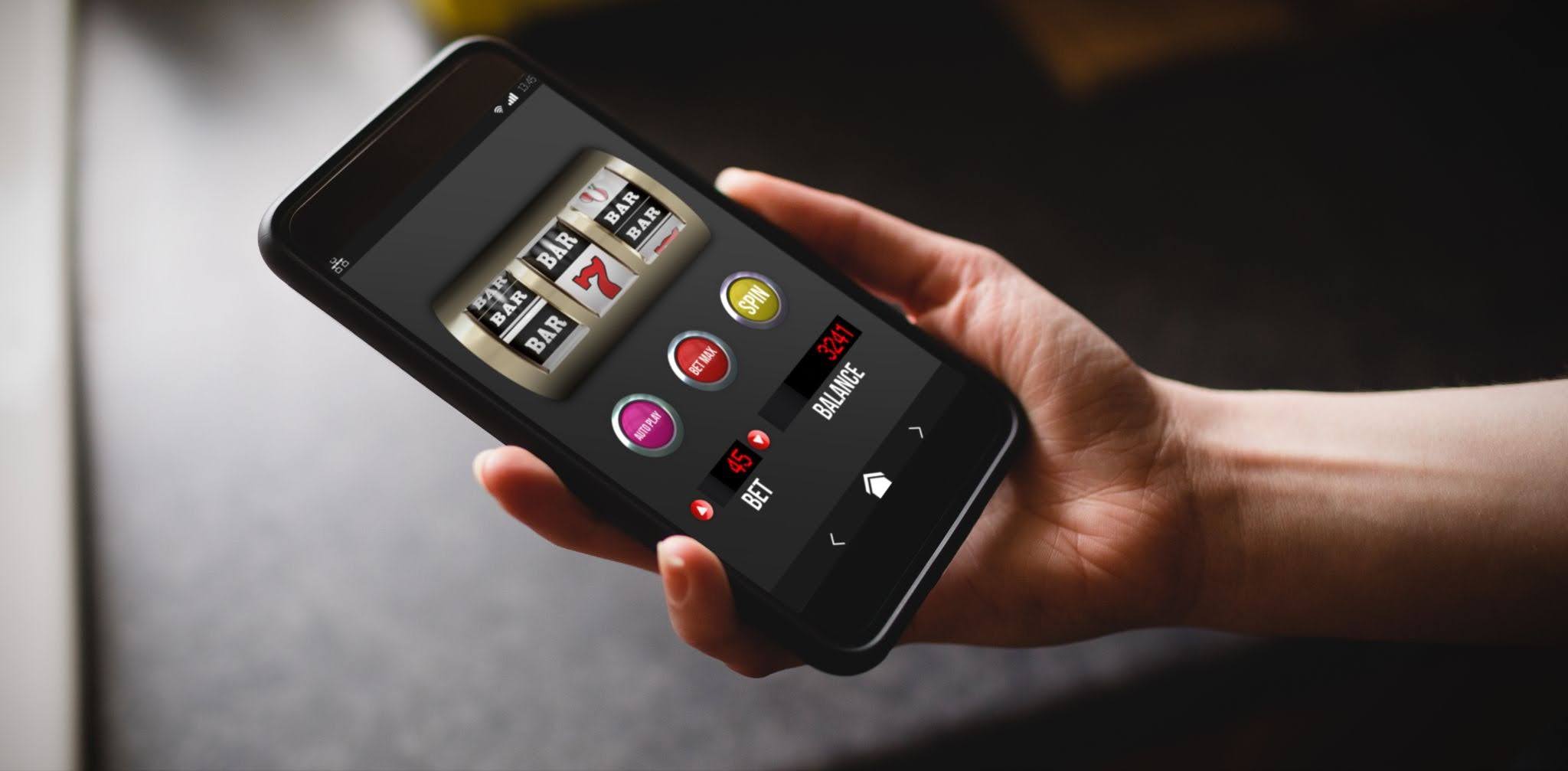
Today, a smartphone has changed what a slot game needs to do because your attention is concentrated on a much smaller screen.
Desktop games could spread reels, menus, balances and promotional panels across a wide display, so developers had room to accommodate several functions at once.
Undoubtedly, the scale of that shift is clear in current UK usage data, as smartphones accounted for 75% of men's online time and 79% of women's online time in May 2025.
However, mobile slots demanded a different hierarchy because every pixel had to justify its presence.
If you open a game on your phone, you must recognise the reels quickly, understand the controls and read important information without zooming.
Overall, that demand pushed studios towards responsive layouts, larger touch targets and clearer typography because players interact directly with their fingertips.
Meanwhile, interface testing also became more demanding because designers had to account for different screen sizes, operating systems, orientations and ways of holding a device.
From Desktop Adaptation to Mobile-First Development
Mobile-first development changed how studios approached games because shrinking a desktop interface rarely produced a convincing phone experience.
For example, text could become cramped, buttons could sit too close together and animated effects could overwhelm the reels.
Developers started planning mobile slots around the handset from the beginning, so hierarchy came before decorative detail.
Responsive design lets a game adjust its presentation to the available viewport while its underlying mathematics remain consistent. That separation gives developers flexibility because the same core game can support phones, tablets and desktop browsers with different interface arrangements.
You notice the result when controls remain familiar across devices even though their position, scale and supporting information adapt to the screen.
Performance also became a design concern as phones brought casino play onto varied hardware and connections.
A premium handset can handle demanding graphics, but a budget device with limited memory can struggle when a game loads oversized assets or runs complex animation.
Subsequently, developers responded with lighter assets, efficient caching and controlled animation because faster loading can make the first interaction smoother.
Network conditions also matter when you move between Wi-Fi and cellular data, so games need reliable handling of interruptions. These pressures influence technical pipelines as much as visual layouts because developers had to consider performance during production.
If a connection drops during a game cycle, the software has to preserve the correct state and communicate what happened clearly.
Performance, Navigation and the Mobile Journey
Eventually, navigation became more deliberate as online slots moved into the limited space of a phone screen.
A desktop casino can display several menus beside the game, but a mobile interface needs stronger information architecture because every panel competes with the reels.
So, when you open online slots on a phone, you expect the game to identify its main action quickly while secondary information remains accessible through clearly labelled controls.
This approach also affects registration, authentication, deposits, withdrawals and account settings because each task has to work through touch-friendly forms.
Mobile slots helped turn navigation into a development priority, so studios considered the journey from opening a title through managing an account as part of the overall product.
The game screen ultimately became more than a place for reels because it had to connect smoothly with the wider account experience.
Platform rules added another layer of complexity because a mobile game has to satisfy requirements alongside gambling regulation.
Apple's App Store rules state that real-money gambling apps need the appropriate licences and permissions in the locations where they operate, and that the apps must also be free on the App Store, so developers have to consider distribution requirements during planning.
Those rules influence technical decisions before a developer considers visual polish because compliance can determine whether an application can reach its intended audience.
Designing Around the Touchscreen
Touchscreens changed the mechanics of interaction because a fingertip is less precise than a mouse pointer, so developers had to enlarge buttons, separate controls and provide obvious visual feedback after each tap.
That requirement affects every component of a slot interface because the spin control, paytable, settings and balance display compete for limited space.
Mobile slots encouraged designers to remove decorative clutter when it interfered with essential information.
At the same time, portrait orientation created a challenge because reels have less horizontal room, so studios had to rethink layouts originally built for desktop monitors.
Typically, landscape mode offers more width, but portrait mode often feels more natural on a phone, so responsive interfaces became an important part of modern slot development.
Regulation Becomes Part of the Interface
UK regulation has affected the pacing that developers build into online casino games.
The Gambling Commission requires a 2.5-second interval from the start of one online slot game cycle until the next cycle can begin.
Since 9 April 2025, players aged 25 and over have faced a maximum £5 stake per game cycle, while the limit for players aged 18 to 24 has been £2 since May 2025.
These rules have clear interface consequences because controls must communicate available actions without creating confusion.
Mobile slots make that clarity important on a smaller display, so designers need readable stake information, balances and outcomes within a compact composition.
Consequently, regulation informs interface planning because developers have to account for legal requirements alongside usability during production.
What Current Data Tells Us
UK data shows why these design questions matter at scale because the market remains highly active.
Gambling Commission operator data for July to September 2025 recorded £747 million in online slots gross gambling yield, representing a 9% year-on-year increase.
The number of spins reached 24.4 billion after rising 4%, with monthly active slot accounts standing at 4.4 million.
Meanwhile, average slot session length fell by one minute to 16 minutes during the same period. Those figures suggest that developers have to think about short interactions, clear feedback and session continuity because a phone can support frequent visits.
Mobile slots have consequently become products built around repeated interaction instead of a single extended desktop session, with the numbers also giving developers useful context because interface decisions affect products that can attract substantial levels of activity.
Designing for Interruptions and Different Devices
Interruptions have become an important testing scenario because your phone can receive a call, lose signal or switch audio settings during play.
A well-designed game needs to recover gracefully when the application loses focus, so you can understand the current state when you return.
Developers also have to consider sound behaviour when headphones disconnect or the handset changes modes because unexpected audio can undermine usability.
Screen variation creates another challenge because a compact phone and a large handset provide different amounts of space.
Mobile slots have pushed studios towards scalable typography, responsive controls and systematic device testing across a fragmented hardware market.
That approach helps preserve the experience across different devices without forcing every screen to follow an identical layout.
Accessibility also becomes easier to consider when designers build flexible interfaces because text, contrast and control sizing can receive attention during development.
The Lasting Influence of Mobile Design
The lasting influence of mobile design reaches into slot development because studios increasingly separate game logic from presentation.
Today, that structure lets the same mathematical model operate across several interfaces. Designers can therefore adjust controls, information density and visual composition for each device.
Mobile slots helped accelerate that modular thinking because phones exposed weaknesses in rigid desktop layouts, and the approach also gives development teams greater flexibility when a game needs to appear across browsers, phones and tablets.
The next stage is likely to focus on balancing immediacy with transparency as developers work within faster hardware, stronger connectivity and detailed gambling rules.
You can see the legacy in today's games because interface decisions now connect usability, performance, regulation and product strategy.
Overall, mobile design changed online slot development at a fundamental level. The handset became part of the game's design logic, rather than simply another place where an existing game could appear.
© Copyright IBTimes 2026. All rights reserved.