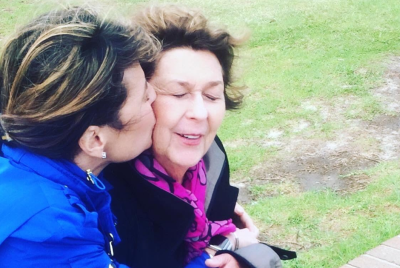
Nancy Guthrie Update: Security Experts Debate Whether Transnational Crime Gang Could Be Behind Her Disappearance
Investigators weigh claims of foreign burglary crews as questions grow over missing evidence and FBI strategy

The mystery surrounding Nancy Guthrie has taken a dramatic turn, as security experts clash over a chilling possibility that her disappearance may be linked to a transnational criminal gang operating across borders.
The theory centres on organised burglary crews believed to originate from South America, known for highly coordinated break ins. Surveillance footage from cities like San Diego and Tennessee shows masked individuals dressed head to toe in dark clothing, often wearing gloves and face coverings to avoid leaving DNA traces.
International Burglary Crew Theory Gains Attention
Some analysts argue the suspect seen in connection with Nancy's case closely resembles these individuals. The similarities include the use of hooded sweatshirts, concealed faces, and backpacks possibly used to carry tools or stolen items.
One expert suggested that if the perpetrator entered the country legally on a tourist visa, it would explain why there are no matches in existing DNA or fingerprint databases. This lack of forensic identification has added weight to the theory that the suspect may not be a US resident at all.
However, even supporters of this theory admit it remains speculative. While the methods match known patterns, there is still no direct evidence tying an international gang to Nancy's disappearance.
Disappearance Details Challenge Burglary Narrative
Not all experts are convinced. Some argue that the case does not fit the typical profile of a burglary gone wrong.
A key issue is the disappearance of Nancy herself. In most break ins, criminals are focused on theft, not abducting individuals. The fact that Nancy has vanished entirely raises serious doubts about whether this was a simple property crime.
One analyst pointed out that the value of items inside the home does not appear significant enough to justify a targeted international operation. Instead, they argue investigators should focus on victimology, examining Nancy's personal life, relationships, and any potential motives for someone to harm her directly.
This approach suggests a more local or personal angle may be more plausible than an international conspiracy.
FBI Billboard Strategy Fuels Speculation
The Federal Bureau of Investigation has added another layer of intrigue by placing billboards across states including Arizona, Texas, New Mexico, and California.
Some experts believe this is not random. These regions have significant cross border movement and diverse populations, leading to speculation that investigators may have identified certain demographic indicators from forensic evidence.
There are also suggestions that DNA analysis may have revealed partial clues about the suspect's background, even if a full identification has not been made. However, authorities have not publicly confirmed these details.
At the same time, critics have questioned the effectiveness of the campaign. The billboards reportedly feature Nancy's image but not the suspect's, which some argue is a missed opportunity. If the goal is to identify the perpetrator, they say, a clear image of the suspect would likely generate more useful leads.
Lack of Visible Coordination Between Authorities
Beyond the theories, there are growing concerns about how the investigation is being handled. Observers note a lack of visible coordination between federal and local authorities, suggesting the case may not be as unified as it should be.
Reports indicate that while the FBI is pursuing leads independently, local agencies may be working along separate lines. This fragmented approach could slow progress and create confusion.
There is also frustration over limited transparency. Officials have hinted at knowing the motive but have not shared details publicly, leaving both experts and the public questioning what is being withheld.
Could a Transnational Gang be Responsible?
The answer, for now, is uncertain. The theory of a transnational criminal group is plausible and supported by some circumstantial evidence, particularly the lack of forensic matches and similarities to known burglary crews.
However, significant doubts remain. The nature of Nancy Guthrie's disappearance does not neatly align with typical criminal gang activity, and alternative explanations rooted in personal motives continue to carry weight.
As the investigation unfolds, one thing is clear. Whether the truth lies across borders or closer to home, the case of Nancy Guthrie remains a deeply troubling puzzle that has yet to be solved.
© Copyright IBTimes 2026. All rights reserved.
- Recommended For You