

Is Nepal Safe to Travel After 1,000 Deaths? UK Warns Britons to Stay Alert but Not Avoid Travel
UK Government issues travel advice amidst Nepal's catastrophic flooding
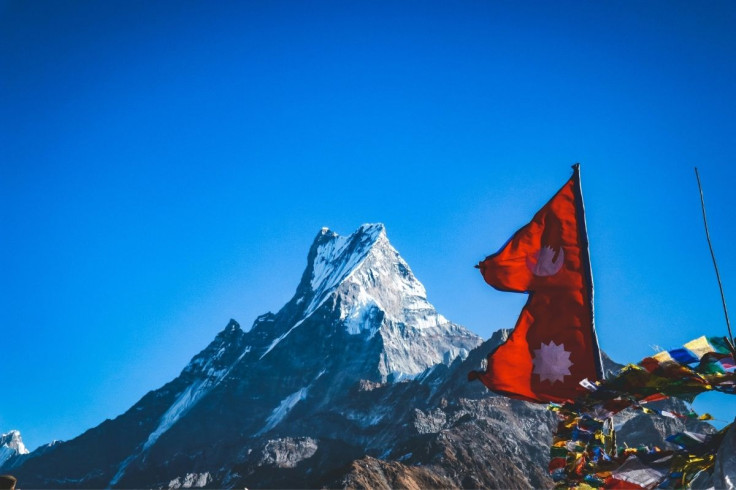
More than 1,000 people have now died following catastrophic flooding in Nepal, raising urgent questions for British tourists about whether it is still safe to travel to the Himalayan country. The UK Government has warned travellers to remain alert and follow local instructions, but has not advised Britons to avoid Nepal as a whole.
The disaster began on 26 August when severe flooding struck Nepal's Rasuwa district and areas along the Nepal-China border. The Bhote Koshi River overflowed, causing widespread destruction across Rasuwa, Nuwakot, Dhading and Gorkha, damaging roads, buildings, transport links and communications infrastructure.
Flood‑Hit Districts Face Highest Risk
The Foreign, Commonwealth and Development Office (FCDO) has specifically warned that the situation in the worst-hit areas can change rapidly, with authorities warning of the possibility of further flooding.
The UK Government's latest travel advice tells people already travelling in affected areas to follow instructions from Nepalese authorities and local officials and remain alert to changing conditions. It has also highlighted the impact on Gorkha, Nuwakot and Dhading beyond the immediate disaster zone.
The warning is particularly significant for travellers planning road journeys or outdoor activities during Nepal's monsoon season, which normally runs from June to October. The FCDO warns that flooding and landslides can make roads impassable, delay journeys and cut off communities for days. Travellers are advised to check whether roads are open and be prepared to change or cancel plans at short notice.
Travel Risks Not Nationwide, FCDO Says
The UK advice does not amount to a blanket warning against travelling to Nepal.
Instead, the guidance focuses on the areas directly affected by the flooding and the wider risks associated with the monsoon. This means tourists heading to parts of the country untouched by the disaster may still be able to travel, but should closely monitor conditions before departure and throughout their trip.
The FCDO also warns that no overseas journey can be guaranteed safe and advises travellers to research their destinations and obtain suitable travel insurance covering their itinerary, planned activities and potential emergency costs.
Thousands Still Missing After Catastrophic Floods
The scale of the disaster remains enormous. Nepal's Ministry of Foreign Affairs said on 31 August that 903 bodies had been recovered and around 4,200 people remained unaccounted for, although casualty and missing-person figures continue to change as rescue teams verify information.
The Nepalese government has deployed security personnel and emergency responders to affected districts, while international assistance has also been mobilised. Officials have stressed that locating missing people and rescuing survivors remain national priorities.
The Nepal Tourism Board has also established an information desk to provide verified updates about tourists who have been rescued, reported missing or confirmed dead. It is coordinating with tourism organisations, police and diplomatic missions to help families obtain accurate information.
UK Advice for Travellers in Nepal
British authorities advise travellers to contact their airline or tour operator about conditions affecting their route.
Anyone already in Nepal should follow instructions from local authorities, avoid flood-hit areas and remain prepared for sudden changes to roads and transport.
The key message from British authorities is not that Nepal is completely off-limits, but that travellers must understand where the risks are concentrated and be prepared to alter their plans as the recovery operation continues.
© Copyright IBTimes 2026. All rights reserved.