

Nepal Principal's 900 Rescued Students Are a Rare Bright Spot Amid Over 1,000 Flood Deaths
Swift evacuation decision prevents tragedy amidst Nepal's devastating floods
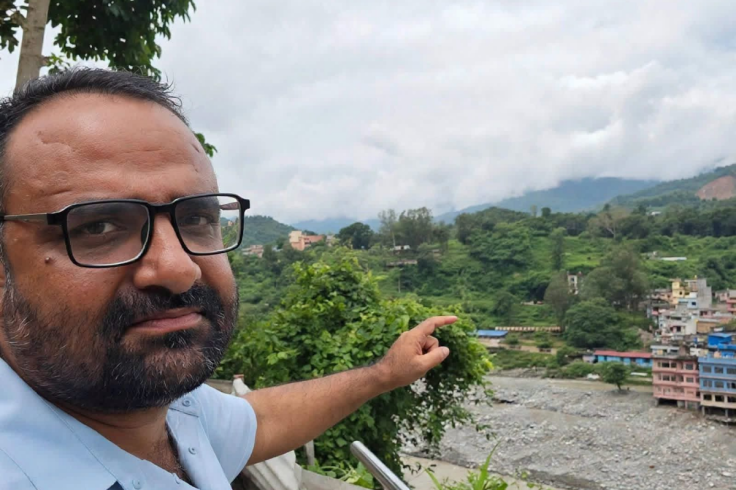
A Nepalese headteacher had roughly 13 minutes to act after a staff member rushed into his classroom warning that floodwaters were approaching. His decision to evacuate 900 students saved every one of them, even as the school itself was swept away in a disaster that has now killed over 1,000 people.
Rajendra Dawadi, principal of Tribhuvan Trishuli Secondary School in Nuwakot, made a swift call that has emerged as one of the only pieces of good news amid the devastation. Every one of the roughly 900 pupils who were on site survived when the deluge tore through Nepal's Himalayan river valleys last week.
Thirteen Minutes To Decide
Wednesday had started as an ordinary school day, Dawadi told The New York Times. 'Everything was going normally,' he said, describing the morning before the alert reached him.
That changed at around 9.10am, when warnings began reaching people in the flood's path. Dawadi had to make quick decisions with no time to verify how serious the threat actually was.
About 900 students were at the school when the warning arrived. Dawadi immediately ordered them to evacuate and move to higher ground. Students who had arrived by bus were sent away from the danger zone. Dawadi told drivers to leave the area as quickly as possible.
ये हैं राजेंद्र दादाबी जी...
— Oc updates (@ocjain4) August 30, 2026
ये जिस इमारत की तरफ इशारा कर रहे हैं, वह नेपाल की भयावह बाढ़ में ध्वस्त हुई एक स्कूल की इमारत है।
जब आपदा आई, इस स्कूल में कुल 1643 बच्चे मौजूद थे।
हेडमास्टर राजेंद्र जी के पास आपदा से कुछ ही मिनट पहले ऊपरी इलाके में रह रहे उनके एक मित्र का फोन आया… pic.twitter.com/oonfWaHGvj
The School Was Gone in Minutes
Not every student escaped without incident. At least one pupil fainted during the evacuation and was taken to safety as teachers and others helped students flee the area.
At around 9.23am, roughly 13 minutes after the warning reached him, water, mud and debris swept through the school site. Dawadi said he weighed the risk of overreacting against the risk of doing nothing.
'I thought that even if the warning turned out to be wrong, the worst it would cost us was one day of study,' he said. 'But taking it lightly could mean the loss of hundreds of lives.'
At least one teacher remained missing as of Monday, according to Dawadi. He had once studied at the school himself before returning years later as its principal. 'I am extremely emotional to see the school completely swept away,' he said. 'The school holds so many memories for me.'
Everyone knows that Rajendra Dawadi saved 1,643 children in Nepal Flood.
— Megha (@HeyItsMegha) August 30, 2026
But I don't think most of us realise how little time he may actually have had to make that decision.
I tried to map it.
So, the flood entered from the Nepal China border area and the school was roughly 50… pic.twitter.com/QgR6C3s6z6
Nepal Still Counting Its Losses
The rescue stands out against the scale of destruction elsewhere in Nepal. More than 4,300 people were reported missing as of Monday, while the confirmed death toll had risen to 903, according to Nepalese authorities.
Officials warned that the figure could rise further as rescue and identification efforts continued. In Bharatpur, southwest of the school, authorities were dealing with large numbers of recovered bodies after floodwaters carried remains downstream.
Rescue workers also spent the weekend trying to reach people believed to be trapped in hydropower tunnels. The Nepal Army said thermal drones had detected no signs of life there.
The flooding also destroyed roads and disrupted communications across the affected valleys.
Video footage and images cited in reports showed debris-choked rivers wiping out bridges and partly burying towns in mud, hampering rescue efforts in the days that followed.
Dawadi's decision offers a striking example of how a fast, decisive evacuation can prevent loss of life during a sudden flood. His account also illustrates the challenges that remain once lives have been saved.
With the school building destroyed and infrastructure in the area badly damaged, Dawadi said he has no clear way to resume lessons for the students he evacuated. 'We saved lives, but now there is no place to teach the students,' he said.
'I am already worried about how we can start teaching and learning again,' a problem likely to be shared by other communities across Nepal's flood-hit valleys in the weeks ahead.
© Copyright IBTimes 2026. All rights reserved.