

Canada Threatens to Cut Power to 1.5M American Homes Amid Trump's 50% Tariffs: 'Who Does He Think He Is?'
Carney stressed that the demand threatened Canadian sovereignty and Ottawa's rejection of US influence
Ontario Premier Doug Ford threatened to cut off power to 1.5 million American homes and businesses. Ford told the Associated Press that nothing is ruled out if the trade dispute worsens.
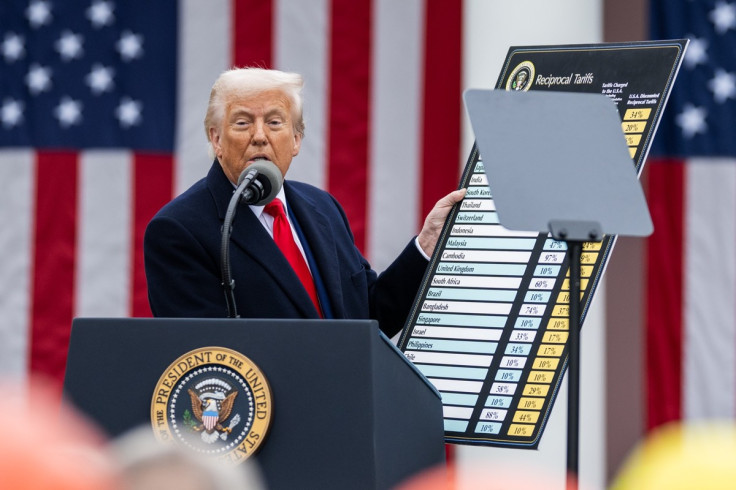
The threat came two days after the US imposed 50% tariffs on about $20 billion (£14.7 billion) worth of Canadian goods, including hockey sticks, dairy, cement, clothing, plywood, and steel.
President Donald Trump then escalated the threat, stating on Monday that cars, trucks, car parts, and steel from Canada would face 50% tariffs starting in January.
When asked about a US demand that Canada approve future trade deals with Washington first, Ford responded, 'Who does he think he is?' Regarding this, Carney called the demand a matter of Canadian sovereignty, emphasizing that Ottawa rejected US attempts to influence Canada's trading partners.
Ford Runs a Province, Not the Country
Ford is the Premier of Ontario, a role similar to a US state governor. The position does not involve foreign policy, and the threat is not issued by the Canadian government.
Carney handles negotiations with Washington and has publicly stated this. After Ontario aired a TV ad in the US that angered Trump, Carney told reporters that dealing with the president is a federal responsibility.
Ford has made this threat before and has let it go. In March 2025, Ontario imposed a 25% surcharge on power sold to Michigan, Minnesota, and New York, aiming to raise $400,000 (£294,000) daily.
Trump responded by threatening to double tariffs on Canadian steel, but both sides backed down within days.
Cutting power completely is more difficult than imposing a surcharge. Ontario would need to reduce the overall power it generates, not just halt sales.
What Ottawa Is Doing
Carney responded with a similar statement on Saturday. Canadian tariffs on American steel, dairy, appliances, farm machinery, pulp and paper, and electronics will begin on 8 September.
Carney described the American tariffs as a miscalculation. When asked why the talks broke down, he said, 'They asked too much and offered too little.'
Finance Minister François-Philippe Champagne was expected to publish the details on Tuesday. Until the list appears on the Department of Finance website, the goods and rates are not legally in effect.
Ford wants Ottawa to take further action. He mentioned high-grade nickel and Ontario-refined uranium and suggested that oil and potash should also be considered.
Why Washington Says It Acted
Trump shared his own account, saying, 'Canada has been ripping off the United States of America for years,' on Truth Social, citing Canadian tariffs on American farm goods.
He also told Canadian leaders to fall in line or face worse consequences than the existing tariffs. Trump then mocked Ford in a post, but Ford responded that an insult from Trump does not sting.
Jamieson Greer, who leads US trade negotiations, said Canada's auto industry exists mainly because of the Auto Pact of the 1960s. Under that agreement, Canada traded market access for manufacturing facilities.
Greer stated that Washington had offered to reduce tariffs on steel, cars, and timber. Carney said the American plan for cars would gradually dismantle Canadian plants.
Canada sold over $380B (£279B) worth of goods to the US last year, according to Census Bureau figures. That makes Canada the third-largest supplier of goods to the American market.
What to Watch
The Canadian tariffs take effect on 8 September, while the American car tariffs are scheduled for January. Ford Motor Company, General Motors, and Stellantis all manufacture cars in Ontario, and the supply chain there supports tens of thousands of jobs.
Nothing has been shut down. The power threat remains, and the last one was resolved within days.
© Copyright IBTimes 2026. All rights reserved.