

'Not Presidential': Trump Admits Melania Hates His Rally Moves, Then Does Them Anyway
Trump says his wife wanted more elegance, but his reply was all about winning
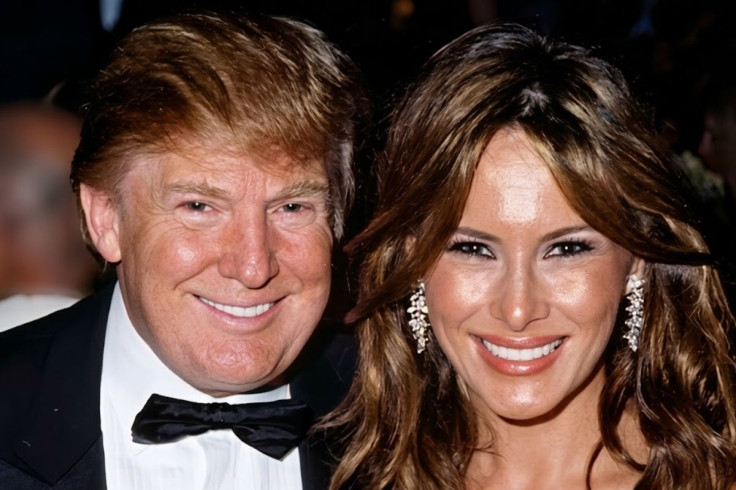
Donald Trump has told a Tennessee rally that Melania Trump considers some of his podium gestures 'not presidential', then defended his performance by pointing to his election win. He made the remarks during a campaign appearance in Clarksville on Saturday, 10 October.
Trump described the first lady as 'a very elegant woman' and said she disliked his exaggerated movements. He has used a similar anecdote before, including in a January address to Republican lawmakers, making the remarks part of a recurring account of her objections rather than an entirely new disclosure.
What Trump Says Melania Told Him
'You know, my wife hates it when I do this,' Trump told the crowd as he demonstrated movements at the podium.
He said Melania considered the gestures 'not at all elegant' and 'not presidential'. His account presented her criticism as a question of decorum, contrasting her preference for elegance with his theatrical campaign style.
Trump: My wife hates when I do this, “Sir, you know…” pic.twitter.com/8bTcDeK6rb
— Acyn (@Acyn) October 10, 2026
Trump also quoted her as objecting to his impressions: 'I don't like it when you do the weight lifting, I don't like it when you do the swimming.'
The remarks were Trump's recollection of private exchanges. They were not comments made by Melania at the rally, and the available reporting does not independently establish that the conversations occurred exactly as he described them.
A Defence Built on His Election Win
Trump answered the criticism he attributed to Melania by saying that, although the gestures might not be presidential, he had 'won the election in a landslide'.
'That's all I know,' he added.
His reply framed electoral success as the answer to the objections he described. 'Landslide' was his own characterisation of the result, rather than an independent assessment.
Exaggerated weightlifting movements have featured in Trump's public appearances, alongside his familiar dancing to the Village People's 'Y.M.C.A.' The Clarksville anecdote turned those performance habits into a story about the difference between his approach and the standards he attributed to his wife.
His public defence does not establish whether he would change the routine. It shows how he chose to answer the alleged criticism in front of a campaign audience.
A Similar Anecdote Earlier This Year
Trump made similar remarks to Republican lawmakers in Washington on 6 January 2026, saying Melania disapproved of his dancing and weightlifting impressions.
He described her as a 'very classy person' and quoted her as calling his behaviour 'so unpresidential'. The January account also contrasted her preference for a more restrained public manner with his willingness to entertain an audience.
That earlier appearance provides context for the Clarksville remarks. The theme had already been used publicly, so the latest version should not be treated as a wholly new revelation about the couple's home life.
The repetition also distinguishes a documented campaign routine from an independently verified account of Melania's views.
The Separate Texas 'Sir' Story
At a rally supporting Republican Senate candidate Ken Paxton in San Antonio on Wednesday, 7 October, Trump told a different anecdote involving Melania.
He said she had corrected his pronunciation of 'vegan', quoting her as beginning: 'Sir, do me a favor.'
The story came during an attack on Democratic Senate candidate James Talarico, whom Trump accused of being vegan. Talarico has repeatedly denied that claim.
The 'Sir' wording attracted commentary about Trump's account of the conversation. However, that response concerned the Texas remarks, not the later Clarksville story about gestures and presidential decorum.
The two anecdotes share a format, Trump recounting a correction he attributes to Melania, but concern separate subjects and appearances.
What the Public Remarks Establish
Trump's Clarksville comments briefly shifted the campaign speech from electoral politics to his public performance and the criticism he says it receives at home.
The available accounts establish what he told the audience, not whether Melania's private remarks were reproduced accurately. They also do not provide an independent basis for broader conclusions about the couple's relationship.
The latest anecdote repeated a familiar contrast: objections Trump attributes to Melania about presidential decorum, answered with his claim of electoral success.
© Copyright IBTimes 2026. All rights reserved.