

Pratham Shankar Built Five AI Creators That Pull About a Million Views a Day
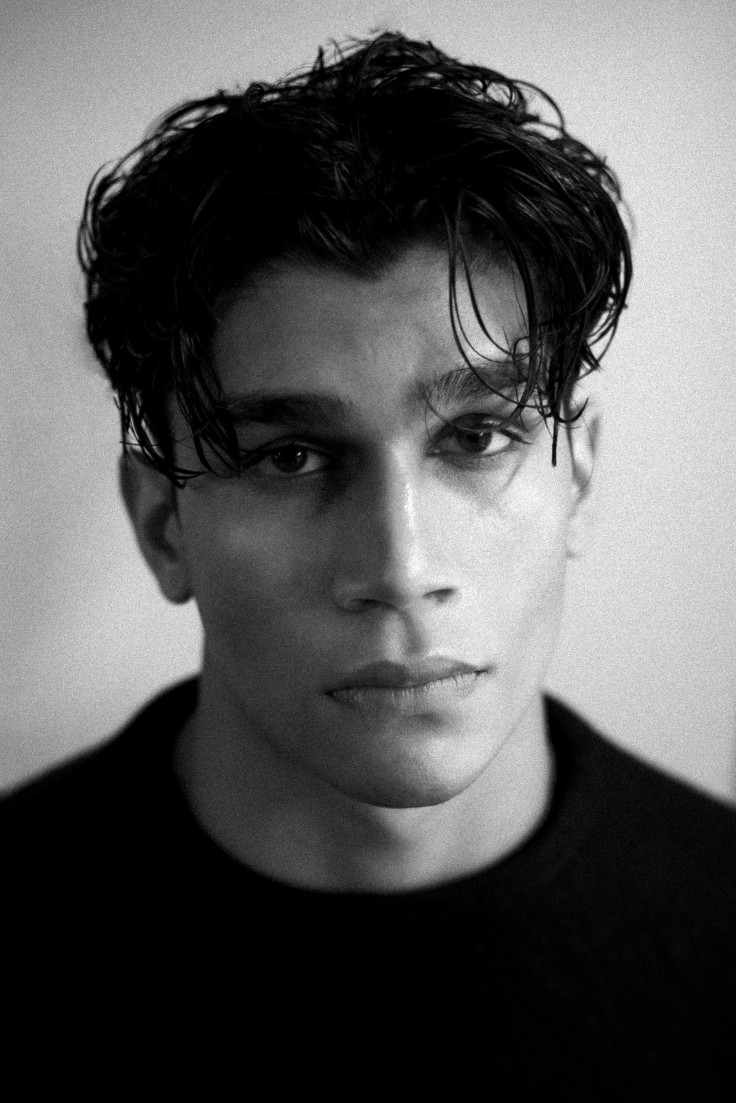
Pratham Shankar built five AI characters that now do much of the audience-building work for Thelo, his current consumer AI company. Across five accounts, the synthetic creators generate about 1 million views a day, with those accounts exceeding 50 million views in a month at their peak. The system publishes labeled AI-generated content using recurring characters whose identities remain consistent from one video to the next. Shankar built it as a distribution engine designed to turn attention into customers for an AI personal-training product.
Thelo is the latest company in a six-year run of entrepreneurship for Shankar. He studied Finance & Data Science at NYU Stern before building Truman, a data-driven reputation-scoring platform. Truman ran pilots with Paytm, Pine Labs, MakeMyTrip, and Diageo. His work on Thelo extends that track record into consumer AI, where he has focused heavily on how products find and convert an audience.
The creator system grew out of a problem that had little to do with fitness. Shankar had learned how quickly consumer attention could swing from one piece of content to the next, while falling production costs made content easier to produce at scale. Instead of paying outside influencers, he began building a creator pipeline the company could operate itself. "My customer acquisition cost is mostly a GPU bill," Shankar says. "AI made content free. It didn't make attention free. That's the whole game now."
At the character layer, Shankar trained custom LoRA image models for each persona so the same face, build, and visual style remain consistent across generations instead of drifting from one video to the next. The system pairs those identity-locked characters with image and video models that can produce native lip-synced dialogue. That consistency allows each character to function as a recurring creator rather than a different-looking synthetic person in every post. The result is a set of recognizable personas that can be reused across many creative tests.
Upstream, Shankar built internal dashboards that track short-form platforms for breakout videos and break each one into components such as the hook, pacing, framing, and audio. The system can then rebuild a proven format with its own characters rather than betting on a single original post. A separate publishing layer pushes those variants across 20 TikTok accounts, turning each format into parallel experiments. The creative pipeline is paired with web checkout so viewers can move from content to a paid product without Thelo first purchasing the traffic.
Shankar evaluates the system by what happens after a viewer watches. He says traffic from the AI-character network generated about 100,000 downloads, with roughly 20 percent of those downloads converting to paying users. He reports a $0 customer acquisition cost for that traffic. Those results give the creator network a commercial role beyond generating reach while allowing Shankar to compare which characters, messages, and creative formats lead people into the paid product. Ninety percent of new customers came from traffic generated by Shankar's AI-character network.
Thelo charges before giving users full access, and Shankar has deliberately avoided treating free usage as the default growth engine. That makes paid conversion part of the acquisition test rather than a later question. A high-performing post is useful to him when it brings people into the product and through checkout, not simply when it produces a large view count. The system therefore connects creative experimentation directly to the part of the business Shankar is trying to grow.
Synthetic creators can easily be treated as a content tactic. Shankar has built them into a broader operating capability. He tests which characters earn attention, which messages bring people to the product, and which creative patterns are worth repeating. Successful formats can also stop working without warning, so he designed the pipeline to keep producing enough experiments that the company does not depend on one post remaining viral.
That operating model grew from repeated setbacks. Shankar says Thelo's marketing initially failed to gain traction, and the company spent its first year making little money. He and his brother rebuilt the product several times while trying to find a message and distribution model that could support the business. Once the synthetic-creator strategy began working, Shankar kept pushing it toward repeatability instead of relying on a few standout posts. The system now gives him a daily stream of evidence about what unfamiliar consumers will stop for, watch, and act on.
Consumer AI gives that work broader relevance. Shankar argues that model access alone is unlikely to remain a durable advantage when many companies can buy similar underlying intelligence from the same suppliers. He sees a more durable advantage in the relationship a product builds with a specific customer and the proprietary loop created when usage and distribution teach the company what to improve next. His AI creators sit at the front of that loop, giving him another source of information about what consumers recognize as relevant before they ever open the product.
Thelo is the current example of how Shankar is approaching consumer AI: building distribution infrastructure alongside the product rather than treating customer acquisition as a separate function. The five characters are the visible part of that system, but the larger work is the pipeline behind them, from creative generation and testing to checkout and paid conversion.
© Copyright IBTimes 2026. All rights reserved.