

Sam Altman Warns Against Treating AI Chatbots as Religious Authorities in Safety Alert
From interpreting scripture to answering personal questions, AI chatbots raise concerns about trust, faith, and human decision-making

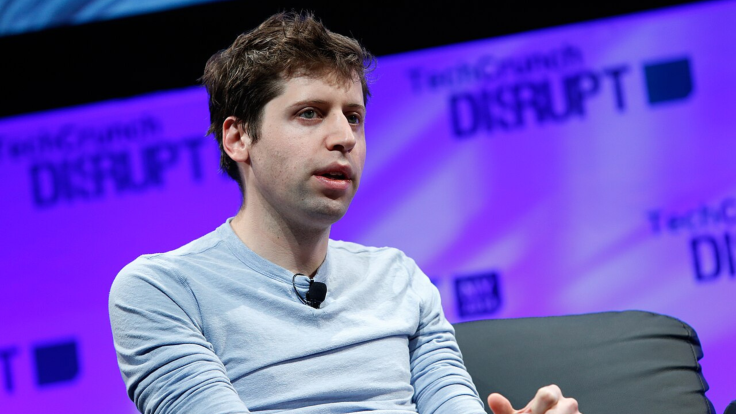
OpenAI chief executive Sam Altman has warned that treating artificial intelligence (AI) models as sources of religious authority or surrendering human judgement to them poses a safety risk. His comments highlight concerns about the influence chatbots could have when people turn to technology for guidance on faith, personal values, and spiritual questions.
In a post on X on 3 October 2026, Altman wrote: 'I am very uncomfortable about people trying to ascribe religious force or a surrender of human judgment to AI models, and think it is a real safety issue.' Altman did not identify a specific company, religious organisation or incident in his post. Nor did he suggest that every use of AI to explore religious questions amounts to surrendering human judgement.
Why AI's Role in Matters of Faith Matters
AI chatbots can generate fluent responses to questions about religious texts, spiritual beliefs, and personal values. However, a confident answer does not establish that a system possesses spiritual understanding or religious authority. These tools can help users research religious teachings, compare interpretations, and prepare questions for discussion. Their answers still require scrutiny, particularly when people rely on them to interpret scripture or make significant personal decisions.
The distinction is also relevant for children using AI tools. Parents can review chatbot responses with them and encourage them to question information rather than accept it automatically. These are practical precautions, not measures Altman specifically prescribed in his post.
Anthropic's Research Into AI Consciousness
The wider debate about AI includes questions about whether increasingly sophisticated systems could have experiences that deserve moral consideration. Anthropic, the company behind Claude, announced a research programme on model welfare on 24 April 2025. The initiative examines questions surrounding possible AI consciousness, model preferences, signs of distress, and potential welfare measures.
'There's no scientific consensus on whether current or future AI systems could be conscious, or could have experiences that deserve consideration,' the company said in its announcement. The research does not establish that current AI systems are conscious or give them religious authority.
Although Anthropic's work provides relevant context for the broader debate, Altman did not name the company in his October post. Any claim that his warning directly targeted its research would therefore require further evidence.
Why Human Judgement Remains Important
AI-generated responses can sound caring, thoughtful or authoritative, potentially influencing how users perceive the systems producing them. But conversational fluency alone does not establish human understanding or qualify a chatbot to replace a trusted religious adviser.
Anthropic discussed its approach to Claude's conversational behaviour in June 2024, including qualities such as curiosity, thoughtfulness, and openness to different perspectives. The company also stressed the importance of users understanding that they are interacting with a language model rather than a person.
For users exploring questions of faith, checking responses against reliable sources and consulting people qualified to explain religious teachings can help distinguish useful information from unsupported interpretations. AI can assist with research without becoming the final authority.
A Faith-Based Perspective on Questioning AI
For Christian readers, Acts 17:11 offers a relevant reference. The passage describes the Bereans examining the Scriptures daily to determine whether the teachings they heard were true. Applied to AI, the passage provides a faith-based perspective on questioning claims rather than accepting them without scrutiny. It is an interpretive application of the biblical text, not evidence that Altman was making a specifically Christian argument.
Altman's warning is not that AI chatbots are incompatible with religious practice. Rather, it concerns the authority people grant these systems and the possibility that AI could displace their own judgement. As people increasingly use chatbots to explore complex questions, the distinction between a useful source of information and an authority to be followed remains important.
© Copyright IBTimes 2026. All rights reserved.