

Elon Musk Says He Has Had 'Cyber Psychosis' Half a Dozen Times in Past Year Over AI 'Good Taste'
Tesla chief describes his surprise at AI's 'good taste' and technology figures embrace the phrase 'cyber psychosis'
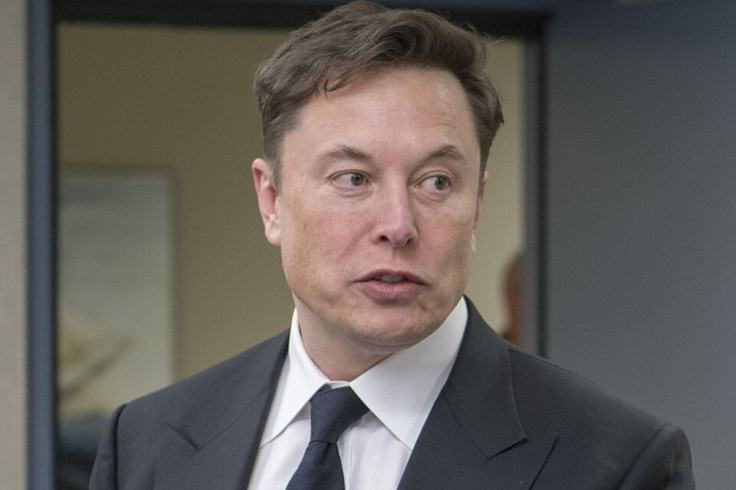
Elon Musk stated at Saturday's X Takeover event that he had experienced what he called 'AI or SI psychosis' roughly half a dozen times over the past year, linking the description to his belief that AI could understand beauty.
The Tesla chief executive's comments followed earlier public remarks by technology figures who have used similar language to describe their enthusiasm for artificial intelligence.
Musk's explanation centred on 'good taste', a quality he described as surprising during the interview.
Elon Musk Connects AI With Good Taste
'I've got a little bit of cyber psychosis,' Musk stated during the X Takeover interview. 'Maybe a lot actually.'
Musk had been discussing AI's capabilities before turning to his own response. He linked that reaction to the idea that the technology could understand beauty. 'You're like, 'Wow, AI can do good taste? That's wild,'' he stated.
The 'SI' in his description referred to President Donald Trump's renaming of artificial intelligence as super intelligence, the report explained. Musk used both labels to describe his experiences over the preceding year.
His estimate of 'probably half a dozen times' described his own reactions to AI. The account did not present his remarks as a clinical diagnosis.
The Phrase Behind Elon Musk's Remarks
The report also referred to some psychiatrists who consider it a mental health condition when AI negatively affects pre-existing vulnerabilities. In that context, the concern centres on AI's impact on the person interacting with it.
The expression has also circulated as an insult aimed at technology enthusiasts regarded as having embraced AI to an extreme degree. Some have since adopted the label as a badge of honour, embracing language previously used to criticise them.
Without a settled definition, the phrase has several distinct uses in circulation. Examples range from descriptions of potential harm to users' mental health to language of excitement about AI's capabilities and predictions about what the technology might achieve.
At a party in May, attendees chanted, 'One, two, three — AI PSYCHOSIS!'
Venture capitalist Marc Andreessen championed AIPAAS, short for 'AI Psychosis As A Service', and described its opposite as 'AI cope'. His remarks placed the phrase within a discussion of attitudes towards AI, separate from the concerns about delusions described elsewhere in the report.
Elon Musk at @theXtakeover: "At various points this year, I've had AI or SI psychosis probably like half a dozen times." @elonmusk https://t.co/iu0PqpcGTm
— Tesla Owners Silicon Valley (@teslaownersSV) October 15, 2026
Before Elon Musk's Saturday Interview
Y Combinator chief executive Garry Tan used similar language to describe himself and other business leaders in March. He joked, 'I have cyber psychosis, but I think a third of the CEOs that I know have it as well.'
More recently, Palantir chief technology officer Shyam Sankar referred to AI researchers who had taken up smoking because they expected the technology to cure cancer. He presented the reported decision to smoke, based on that expectation, as an example of Silicon Valley's 'mass psychosis'.
Musk had spoken little about AI psychosis before Saturday, although he had encountered the expression. In April, he responded to an X post in which Andreessen outlined three states of being, 'AI Euphoria, AI Psychosis, and AI Psychosis Psychosis.'
'Yeah,' Musk replied in that X exchange.
© Copyright IBTimes 2026. All rights reserved.