

Rob Schneider Sparks Backlash After Saying 'Go Woke, Go Broke' Is Hollywood's Reality - What It Means
The actor says studios are pushing politics over storytelling as critics hit back
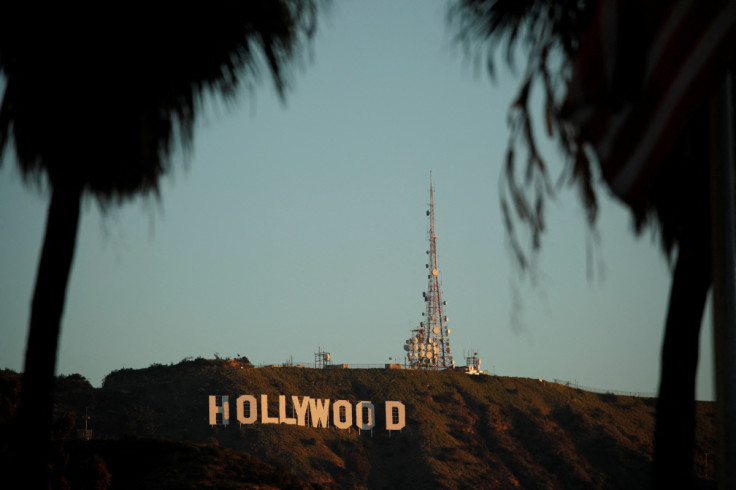
Rob Schneider is drawing backlash online after claiming that 'go woke, go broke' is no longer a slogan, but 'Hollywood's reality'. The actor and comedian, best known for his long-running ties to Saturday Night Live and a string of studio comedies, made the remarks during a Fox Business appearance and expanded on the argument in a Fox News opinion piece.
Schneider's comments have quickly reignited debate over so-called 'woke' storytelling, cancel culture, and whether audiences are rejecting studios for political messaging. At the same time, critics have pushed back on his framing, calling his argument divisive and overly simplistic.
What Rob Schneider Said About Hollywood And 'Go Woke, Go Broke'
In a Fox Business segment, Schneider criticised Hollywood for what he described as a political agenda, calling the industry an 'indoctrination lab' and saying 'go woke, go broke' has become its new reality. The segment focused on his view that entertainment has shifted away from story-first projects and toward ideological messaging. Schneider also suggested that modern audiences have less patience for content that feels preachy or disconnected from what they want to watch.
In his Fox News opinion piece, Schneider made a broader case for what he views as a culture problem in film and television. He argued that stories are being reshaped to reflect 'the ideological obsessions of the present' and claimed this approach damages audience trust. He also pointed to examples from recent pop culture, including moments from major franchises, to support his view that audiences prefer entertainment over messaging.
Why The Comments Sparked Backlash
Schneider's remarks prompted a wave of reactions from across the internet, including backlash from viewers who see 'go woke, go broke' as a political talking point rather than a serious analysis of the entertainment business.
Some critics accused Schneider of targeting diversity and LGBTQ+ representation, especially because his opinion column referenced storylines involving identity and representation in popular titles. Others argued that blaming creative decisions for box office performance ignores a wider range of industry issues, including rising ticket prices, franchise fatigue, and shifting viewing habits in the streaming era.
Even so, Schneider's supporters echoed his criticism and framed his comments as a warning that studios have lost touch with everyday audiences. The response has turned the moment into another flashpoint in an ongoing online argument about culture wars and commercial success in Hollywood.
What Schneider's Argument Really Means For Studios
Schneider's main point is that audiences notice when entertainment feels like a lecture. He also suggests that studios are paying a price for prioritising messaging over storytelling.
In practice, the impact of 'woke' debates on Hollywood is difficult to measure in a clean, data-driven way, since box office hits and flops depend on multiple factors. Still, Schneider is tapping into a real frustration shared by some viewers who feel modern remakes and franchise revivals often lack originality.
For studios already under pressure to deliver reliable wins, the debate adds another layer to an industry that is still recalibrating after pandemic-era disruption and changing consumer habits.
The Bigger Picture: Culture Wars Are Now Part Of Entertainment Marketing
Regardless of where people stand, Schneider's comments highlight how cultural arguments have become part of entertainment itself. Public statements like these often spread faster than the projects they refer to, especially when the message is provocative.
That visibility can work both ways. It can attract supporters and drive attention, while also triggering backlash that reshapes how the public views the person making the claims. In Schneider's case, the criticism has turned his comments into the headline, even more than his wider point about Hollywood's business direction.
© Copyright IBTimes 2026. All rights reserved.