

'Rich Dad Poor Dad' Author Says He Has $1.2B in Debt 'On Purpose' and Actually Wants More
A vast apartment portfolio, business partners, and strategic borrowing explain Kiyosaki's eye-popping $1.2B debt
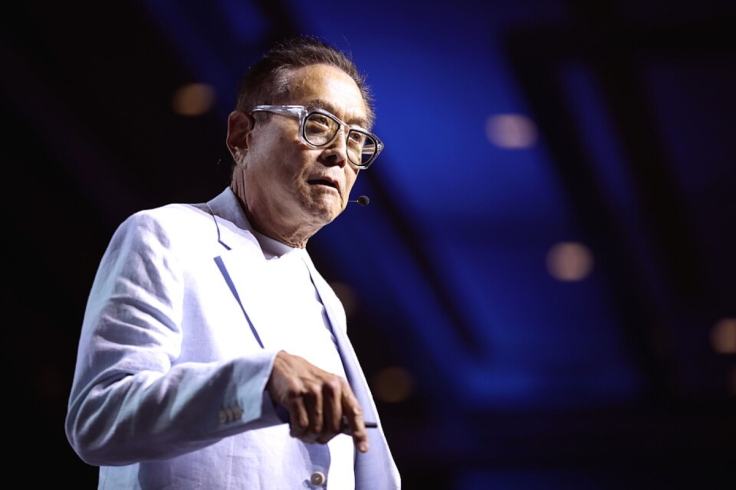
Robert Kiyosaki built his reputation teaching readers that the wealthy approach money differently. Now, the Rich Dad Poor Dad author says he is part of a group carrying roughly $1.2B in real estate debt and argues that the borrowing is intentional.
However, there is a major catch. The headline-grabbing figure does not mean Kiyosaki personally owes $1.2B. The 79-year-old repeatedly cites the figure to illustrate his belief that debt can be valuable when used to buy income-generating assets. He has also cautioned that people should not simply copy his approach and said they should educate themselves before using debt.
The Billion-Dollar Debt Needs Context
Kim Kiyosaki, Robert's former wife and longtime business partner, said the debt stems from a real estate portfolio containing roughly 1,500 apartment units held with partners. 'We have a lot of apartment houses with our partners,' she said in an interview. 'So technically, yes, we have all this debt.'
Robert's personal exposure is believed to be considerably smaller. Based on Kiyosaki's claim that he earns about $3M a year, Vanity Fair estimated that his portion of the debt could be between $30M and $60M. That estimate has not been independently confirmed. In other words, the $1.2B figure represents debt held across the broader real estate investment group, rather than evidence that Kiyosaki personally owes $1.2B.
Why Kiyosaki Says More Debt Can Build Wealth
For decades, Kiyosaki has argued that good debt and bad debt are not the same. His strategy centres on borrowing to acquire income-producing property, collecting rent, and using the resulting cash flow to cover costs and debt payments. As property values climb, owners may also be able to tap the increased equity without selling the asset.
Loan proceeds generally are not treated as taxable income when received because they represent an obligation to repay the lender. The tax treatment of interest and the use of borrowed funds, however, can vary depending on the circumstances. However, that doesn't eliminate the danger of leverage. Higher borrowing costs, empty units, and falling rents, as well as weaker property values, can all put a heavily indebted portfolio under pressure.
His 'Firewalls' Strategy
Kiyosaki has described using separate limited liability companies, or LLCs, to isolate his investments. That structure can separate an investment entity from its owners and may limit personal liability for certain business obligations.
Kiyosaki summed up his philosophy bluntly: 'If it all comes to hell, you can talk to my attorney,' he said. 'Firewalls — that's the way the rich play the game.'
However, LLC protection has limits. Personal guarantees and loan terms as well as other circumstances can still leave an individual liable.
Experts Weigh In on Kiyosaki's High-Debt Strategy
David A. Perez, an enrolled agent and multifamily real estate investor, said Kiyosaki's approach is common among property investors. Borrowing against equity can provide cash without selling an asset, but it also increases interest and mortgage costs and can strain cash flow.
Meanwhile, John Poole, founder of Scottsdale-based JPTD Partners, urged far more caution. He warned that leverage can work well while property values rise but become painful when that trend reverses. 'Leverage works beautifully on the way up, and if it's not continuing on that way up, then it's like a chainsaw financially coming down,' he said.
The Empire Behind 'Rich Dad Poor Dad'
Kiyosaki's views on money, investing, and debt are central to the financial philosophy that made Rich Dad Poor Dad famous. First self-published in 1997, Rich Dad Poor Dad has sold more than 44M copies and been translated into at least 43 languages. It contrasts lessons from his biological father, the 'Poor Dad', with those of his best friend's father, the 'Rich Dad', who has been identified as Hawaii businessman Richard Kimi, the model for the character.
Kiyosaki's business empire has faced its share of setbacks. In 2012, Rich Global LLC, a company associated with Kiyosaki's business operations, filed for Chapter 7 bankruptcy after a court entered a $23.7M judgment in favour of Learning Annex. The bankruptcy filing involved Rich Global, not Kiyosaki personally.
© Copyright IBTimes 2026. All rights reserved.