Stanford Student Says Ad Left Him Feeling 'Erased' After AI Edits Altered Students' Race and Gender
The student said the AI-edited banner removed him from the original photograph and changed the appearance of other students
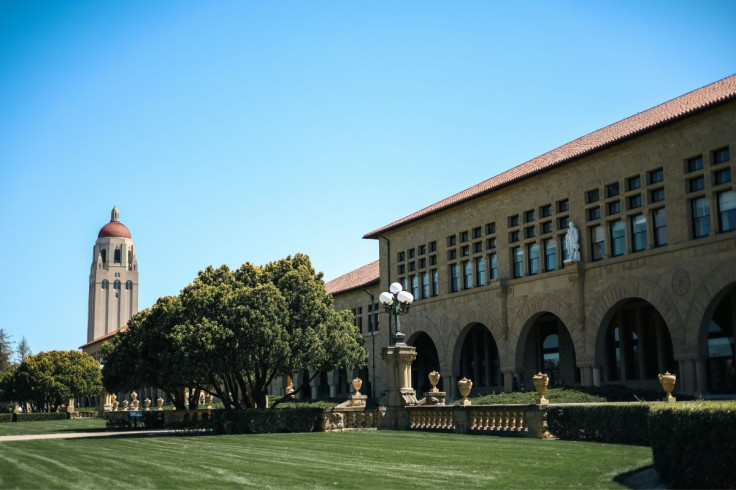
A Stanford University student has criticised the reported use of artificial intelligence in promotional material associated with Stanford Residential & Dining Enterprises after discovering that an image that included him had apparently been digitally altered to change his race and gender.
The incident was first reported by The Stanford Review, which alleged that Stanford Residential & Dining Enterprises used AI to alter students' appearances in promotional material.
Billy Ramirez, a sophomore, said he recognised the original image as a photograph taken by a Stanford photographer. According to The Stanford Review, a friend sent Ramirez a comparison between the original photograph and a promotional banner while he was on his way to campus. The publication reported that the edited version removed Ramirez and replaced him with an AI-generated Black woman.
Student Objects To AI Alterations
Speaking to The Stanford Review, Ramirez said he was initially surprised when he learned about the altered image.
'At first, I found it hilarious that they had used AI to completely change our appearances, including my race and gender,' the Stanford sophomore, a member of the class of 2027, said.
Ramirez said he later became upset because he disagreed with the decision to alter the image, which he felt also changed his identity by removing him from an image intended to represent him.
'But after looking at the comparison, I was also upset because I don't agree with Stanford making those choices about how we were represented. Seeing my identity changed and being left out of the picture made me feel, in a way, silenced and erased from a representation that was supposed to include me,' he said.
Other Students Also Altered
The Stanford Review also reported that two students standing to Ramirez's right in the original photograph were digitally altered, making them appear noticeably thinner in the promotional material.
Comparisons of the images before and after the reported alteration subsequently circulated on social media.
The controversy also attracted attention on Fizz, an anonymous social platform used by college students, where comparisons of the images reportedly generated thousands of reactions.
Stanford Has Not Publicly Responded To Report
The reported advertisement was associated with Stanford Residential & Dining Enterprises, according to The Stanford Review. The publication alleged that AI was used to alter the students' appearances, but the available reports do not establish why the changes were made or who authorised them.
JUST IN: Stanford University is accused of using AI to change students’ race & gender while making others appear thinner in advertising, with one student saying he felt “silenced & erased.” pic.twitter.com/ziQe70PTek
— Polymarket (@Polymarket) September 21, 2026
As of the latest reports, Stanford had not publicly responded to the allegations. The Daily Caller described the account as unverified by the university, meaning claims about how the advertisement was produced and why the students' appearances were changed should be attributed to the reporting rather than presented as established facts.
The issue emerged as Stanford has continued to promote work and discussion around artificial intelligence, including research examining questions of fairness and bias in AI systems. Stanford researchers have previously examined how AI tools can produce different results based on factors including race, gender and ethnicity.
© Copyright IBTimes 2026. All rights reserved.
- Recommended For You