'Any Suffering on Earth Is Better': Man's 8-Hour Hell Ordeal After Heroin, Cocaine and PCP Binge
The former Buddhist monk says the 1998 ordeal changed his life, while researchers note that drugs, medical crises and altered time perception may shape near-death experiences
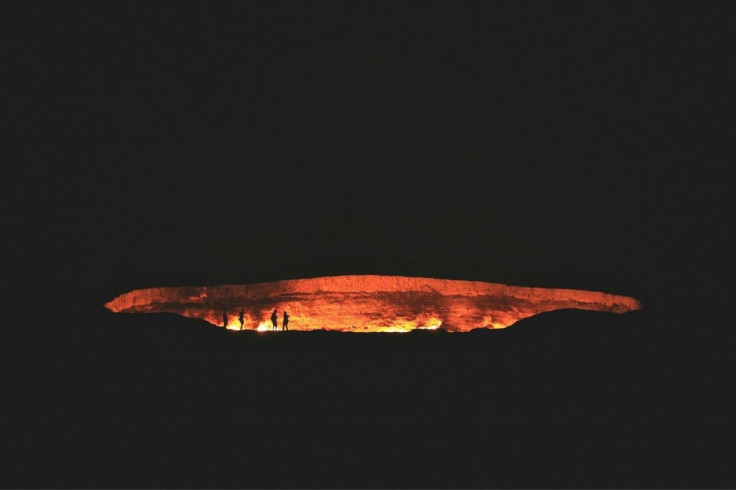
Steve Kang says he was just 19 when drug use and a suicide attempt left him fighting for his life on an operating table in California.
During an eight-hour operation in 1998, the former Buddhist says he experienced what he believed was a terrifying journey through hell, an ordeal so painful that he later said, 'Any suffering on Earth is better than the pain I felt in hell.'
Kang's account has resurfaced after he appeared on Sean Hannity's podcast alongside two other men who described their own alleged encounters with the afterlife.
Kang said the experience followed years of substance abuse and came after he smoked what he said was marijuana laced with heroin, cocaine and PCP. His story, however, remains a personal account of a near-death experience rather than evidence that an afterlife or hell has been scientifically established.
The reported medical circumstances are significant because PCP, cocaine and opioids can affect consciousness and perception in markedly different ways.
PCP can cause hallucinations, dissociation, agitation and psychosis, while cocaine can also affect consciousness and perception, and opioids such as heroin can cause sedation and reduced consciousness.
Steve Kang's Eight-Hour Ordeal
According to reports of Kang's account, the episode happened in 1998, when he was 19 and attending college in California. He had become heavily involved with drugs after moving to the US and said he was taking increasing amounts as his tolerance grew.
Kang has described smoking what he called a 'Death Bowl', which he said contained marijuana laced with heroin, cocaine and PCP. He subsequently attempted suicide and was taken to hospital, where he says doctors operated on him for about eight hours.
During surgery, Kang says his consciousness entered a realm he interpreted as hell. He described a dark, barren landscape populated by suffering souls and enormous demonic figures.
In his account, the experience felt vastly longer and more intense than ordinary time. Although the operation lasted about eight hours, he has also described perceiving the experience as lasting about 20 minutes.
The distinction matters. The subjective duration of a reported near-death experience does not necessarily correspond to the length of an associated medical emergency or period of unconsciousness, although the mechanisms behind such experiences remain debated.
Why the Drug Combination Matters
Kang's account cannot establish what caused his perceptions, particularly because several substances were reportedly involved alongside a serious medical emergency. PCP is a dissociative drug that can produce hallucinations, altered perceptions, detachment from the body and severe agitation.
At high doses, it can also cause seizures, coma and other potentially fatal complications. Cocaine can affect consciousness and perception, while opioids such as heroin can cause sedation and reduced consciousness, meaning the reported combination provides medical context for the altered perceptions Kang described.
A 2023 systematic analysis of 54 studies involving 465 people found that reported near-death experiences included emotional, cognitive, spiritual and supernatural themes. Some reports involved frightening or 'hellish' experiences.
From Drug Addiction to Pastor
Kang says the experience changed the direction of his life. He eventually left behind his drug use and his earlier life as a Buddhist before becoming a Christian pastor.
His account has since become the basis of his book, 8 Hours in Hell: A Shocking Firsthand Experience of What Really Awaits in the Afterlife, published in October 2025. The book presents his experience as a spiritual warning and describes what he believes happened to him during the medical crisis.
Kang recently revisited the story with Hannity alongside Bill Wiese and Jim Woodford, who have also described alleged encounters with hell or the afterlife. Fox News reported that the three men said their experiences left them believing they had been given another opportunity to live and a responsibility to share their stories.
Research into near-death experiences continues without treating individual accounts as proof of a supernatural realm. Studies have identified recurring features such as out-of-body sensations, unusual perceptions and altered time, while researchers continue to debate how these experiences arise in the brain.
For Kang, however, the meaning of the experience is personal. He has said that, after what he believes was an experience of hell, he would choose earthly suffering over experiencing it again.
© Copyright IBTimes 2026. All rights reserved.
- Recommended For You