

Texas AG Accuses OpenAI of Failing to Protect Children, Seeks Restrictions on ChatGPT
Ken Paxton's lawsuit alleges misleading safety claims, inadequate age checks and insufficient parental controls, while OpenAI defends its safeguards
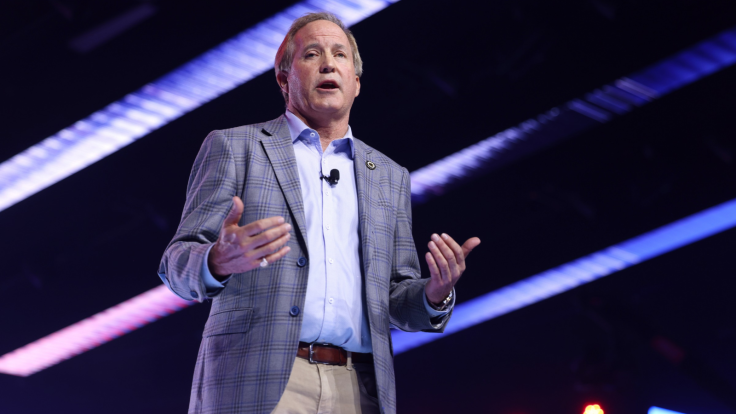
Texas Attorney General Ken Paxton has sued OpenAI and chief executive Sam Altman, accusing the company of misleading consumers about ChatGPT's safety and failing to protect children from potential harm. The lawsuit, filed on 23 October in Collin County District Court, names six OpenAI corporate entities and Altman personally.
Texas wants ChatGPT barred from use by minors in the state, alongside new safety requirements and financial penalties.
The case alleges violations of the Texas Deceptive Trade Practices–Consumer Protection Act and the Securing Children Online through Parental Empowerment Act. OpenAI has defended its safety measures and said it supports practical standards across the AI industry.
Texas Alleges OpenAI Misled Consumers
The petition claims OpenAI marketed ChatGPT as safe and reliable despite inadequate training and safeguards. It alleges the company failed to disclose the risks associated with large language models and prioritised commercial growth over user safety.
The filing also contrasts OpenAI's current business ambitions with its founding in 2015 as a non-profit organisation. According to the state, the company initially pledged to develop artificial intelligence for humanity's benefit without the pressure to generate financial returns.
Texas alleges OpenAI later abandoned those principles as it pursued a stronger position in the AI market.
Lawsuit Questions Age Checks and Parental Controls
Texas alleges that OpenAI's age-verification and parental-control practices violate the state's Securing Children Online through Parental Empowerment (SCOPE) Act. The law's enforceability has been the subject of separate court challenges, and the allegations against OpenAI have yet to be tested in this case.
The petition claims the free version does not verify users' ages, while the paid version asks for an age without independently checking it. It also argues that parental controls introduced in late 2025 are optional and provide alerts only in limited circumstances.
The filing cites research by Common Sense Media, which warned that ChatGPT for Teens could give parents false confidence in its safety alerts. OpenAI disputed the testing methodology, arguing that some tests may have taken place before parental controls were fully activated.
Petition Cites Suicides and Violence Allegations
The lawsuit refers to alleged harms involving minors, including addiction, encouragement towards self-harm or suicide, and assistance with planning violence. It also cites cases in which professionals were reportedly humiliated by inaccurate chatbot outputs.
The petition cites the case of 16-year-old Adam Raine, who died by suicide on 11 April 2025. His parents sued OpenAI and Altman in August 2025, alleging that extensive conversations with ChatGPT contributed to his death.
The Texas petition also cites a complaint filed by the widow of a victim of the 2025 Florida State University shooting. The complaint alleges that suspect Phoenix Ikner asked ChatGPT how many people he would need to kill to become notorious.
Texas Seeks Ban on Minors and New Oversight
Texas wants the court to bar minors from using ChatGPT in the state and require verified age checks and parental consent. It is also seeking restrictions on new AI models, asking that OpenAI obtain prior safety review and approval from a court-approved independent evaluator before releasing any model to Texas users.
Texas seeks civil penalties of up to $10,000 (£7,500) per alleged violation, the disgorgement of assets and legal fees. The petition seeks monetary relief exceeding $1 million (£750,000) and asks the court to hold Altman personally liable for his alleged involvement in misleading statements about ChatGPT's safety.
© Copyright IBTimes 2026. All rights reserved.