

Trump to Meet Machado to Accept a Nobel Prize That The Committee Insists He Has No Legal Right to Own
Trump's bid to claim Machado's Nobel Peace Prize faces incontrovertible statutory barriers
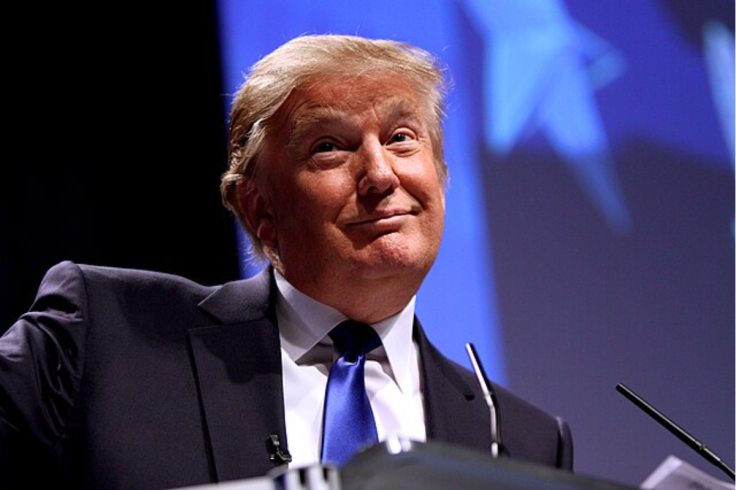
US President Donald Trump is preparing to meet Venezuelan opposition leader and Nobel Peace Prize laureate María Corina Machado and to accept her 2025 Nobel Peace Prize.
Trump, who has repeatedly sought the Nobel Peace Prize throughout his political career, has publicly indicated a willingness to accept the accolade from Machado should she choose to offer it to him. Various political sources confirm that Trump's advisers are arranging a meeting between the pair, organised in the context of broader discussions on Venezuela's future leadership and post-Maduro transition.
Machado Won the 2025 Nobel Peace Prize
On Oct. 10, 2025, the Norwegian Nobel Committee awarded the Nobel Peace Prize to María Corina Machado for her sustained efforts to promote democratic rights and peaceful transition in Venezuela. Machado's work was recognised officially by the Nobel Committee in Oslo, and she became the duly entitled laureate under the statutes of the Nobel Peace Prize.
The Nobel Committee's formal guidelines, established under Alfred Nobel's will and the Statutes of the Nobel Foundation, make it explicit that once a Nobel Prize is granted, it cannot be revoked, transferred, or re-assigned to another individual for any reason.

The Committee's official press release states unequivocally: 'A Nobel Prize cannot be revoked, shared, or transferred to others. Once the laureate ... is announced, the decision is final and stands for all time'.
The legal framework governing the Nobel Peace Prize is grounded in the original provisions of the Nobel Foundation and the Nobel Committee. According to the Statutes of the Nobel Foundation, there is no mechanism for reassigning a prize after announcement. Clause 10 of the statutes is specific that no appeals or processes exist to revisit the awarding body's decision, nor to extend laureate privileges to third parties post-award.
Trump's Longstanding Campaign for the Nobel
Trump's determination to secure a Nobel Prize is not a new phenomenon. During his presidency and in subsequent years, he repeatedly positioned his foreign policy achievements as worthy of Nobel recognition, citing ceasefires and diplomatic interventions across the Middle East and South Asia.
He even acknowledged that he would accept a Peace Prize if offered, a comment that attracted significant global media attention and official responses from the Nobel Committee.

Prior to Machado's selection, Trump's Nobel prospects drew attention from several international figures. For instance, Malta's foreign minister publicly nominated him for the Nobel Peace Prize for perceived diplomatic accomplishments, and Pakistan's government similarly submitted his name for consideration in later cycles.
However, these nominations did not alter the Nobel Committee's final decision for 2025, and Nobel protocol keeps nominee lists confidential on a 50-year embargo, thus limiting independent verification of Trump's official consideration.
Despite this history, Nobel experts and historians argued that Trump's record of peace efforts did not sufficiently align with the Nobel Peace Prize's criteria of advancing fraternity among nations and promoting disarmament and cooperation.

Diplomatic and Political Ripples
Trump's pursuit of Machado's Nobel Prize has triggered political controversy. US policymakers and foreign affairs analysts note that the optics of accepting another individual's Nobel Peace Prize raise questions about international norms and the symbolic value of global honours.
In Venice and Washington, groups tracking Nobel Prize governance have reiterated that the Nobel Peace Prize's integrity rests on strict adherence to its founding statutes, regardless of geopolitical pressures or personal ambitions.
Trump's planned meeting with María Corina Machado will likely generate further discussion on the symbolic intersections of award-making, diplomacy, and personal ambition, but the statutory reality remains unchanged.
© Copyright IBTimes 2026. All rights reserved.
- MOST POPULAR IN Trending


