

Trump's Investments Raise Alarms As Disclosures Reveal Purchase of Netflix, Warner Bros Bonds After Megadeal Announcement
The President's financial disclosure shows acquisition of bonds of major companies for personal investments
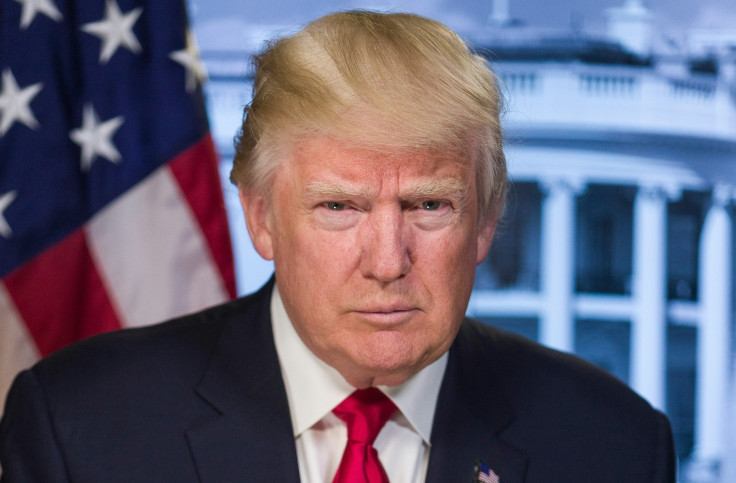
Donald Trump's latest financial disclosure revealed he invested heavily in the very corporate debt markets that his administration may soon regulate. As indicated in the recent filings, the President amassed a bond portfolio valued at around £38.1 million ($51 million), highlighting his substantial holdings in major entertainment companies - Netflix and Warner Bros. Discovery. It was reported that the POTUS made the purchase shortly after the streaming giant announced its blockbuster merger deal.
The disclosure, dated 14 January 2026, was made public by the White House's Office of Government Ethics (OGE). It listed dozens of transactions with a total value of over £74.7 million ($100 million).
How Much Trump Invested
Trump acquired between £190,840 to £381,680 ($250,001 and $500,000) in Netflix bonds on 12 December 2025, followed by a further purchase within the same range on 16 December 2025. On those same dates, he also bought Discovery Communications, a subsidiary of Warner Bros Discovery, bonds valued at between $250,001 and $500,000 (£190,840 to £381,680) and another investment of the same range on the second date.
According to Bloomberg, the President's latest bond spree shows a mix of corporate and public sectors. His recent purchases include diverse business areas, ranging from tech and energy giants like CoreWeave and Occidental Petroleum to manufacturing giants such as Boeing and General Motors. He also has transactions beyond the corporate sector, as Trump has also moved into the public works market, snapping up bonds tied to educational facilities and healthcare systems.
Additional investments included debt securities issued by SiriusXM, Whirlpool, and Macy's. These acquisitions formed part of 189 reported transactions involving corporate and municipal bonds between 14 November and 29 December 2025.
Limited Transparency
The financial disclosures are mandatory reporting requirements for government officials and appointees. However, these filings only provide a glimpse of financial activities and valuation ranges for transactions involving stocks, bonds, and futures. This means the exact prices of the transactions were not posted.
Unlike other US presidents, Trump has kept control of his investments rather than selling them or placing them in a blind trust. This is unusual for a sitting leader, as previous business-minded presidents have stepped back from financial decisions that might overlap with government policy to avoid any suspicion or impression of a conflict of interest.
Ethics Questions Raised
Critics asserted that owning bonds in companies affected by government decisions naturally raises questions and invites scrutiny. Netflix's ongoing acquisition of Warner Bros., which could significantly change the entertainment industry, must still be approved by regulators who report to the executive branch. That overlap has ignited debate over whether Trump's financial interests might, even indirectly, influence policy considerations.
On the other hand, some of the supporters pointed out that the president's bond portfolio is managed by third-party financial advisers who strictly follow ethical guidelines, thus such investments are not directly managed by him or his family. In addition, the financial disclosure was signed by the Office of Government Ethics, certifying compliance with federal requirements.
Pattern of Continued Investment
Aside from revealing which companies Trump invested in, the financial disclosure also showed a pattern of continued investments since he returned to the White House in January 2025. This highlights how it can be difficult to separate personal financial interests from public duties when a sitting president keeps large investments.
Even if his bonds are being managed by third parties, this situation still shows how closely money, personal investments, and executive power can overlap. With major entertainment industry deals facing ongoing regulatory review and political debate, attention is now on Trump's bond holdings, which have reignited questions about transparency, influence, and accountability in public life.
© Copyright IBTimes 2026. All rights reserved.