

US Freezes Visas For 75 Nations Overnight — From Russia To Somalia, Who's Locked Out Next?
Visa Freeze Halts Legal Immigration Streams And Sparks Global Diplomatic Tension
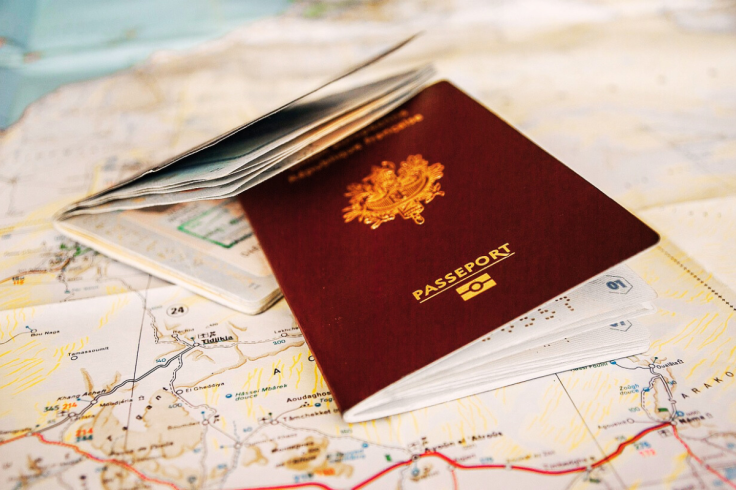
The United States government has abruptly frozen immigrant visa processing for citizens of 75 countries, a measure set to begin on 21 January 2026 that could reshape global migration patterns and spark legal challenges worldwide.
The pause, disclosed in an internal memo and confirmed by the U.S. State Department, has caused alarm among diplomats, migrants, and human rights advocates who warn that the policy amounts to a dramatic tightening of legal migration pathways.
State Department's Directive And Policy Rationale
The U.S. State Department announced that it is suspending processing of immigrant visas from 75 countries pending a reassessment of vetting and screening procedures aimed at preventing admission of individuals deemed likely to rely on public welfare after arrival.
According to the official statement, consular officers have been instructed to refuse visas under existing immigration law while the department reevaluates how it applies the so-called 'public charge' provision, a long-standing element of U.S. immigration law that allows denial of entry to applicants likely to become primarily dependent on government assistance.
State Department spokesperson Tommy Piggott told reporters that the measure is intended to prevent the entry of foreign nationals who would take welfare and public benefits, signalling a stricter interpretation of eligibility rules.
Administration officials argue the pause is necessary to protect American taxpayers and resources in the face of what they describe as historically high welfare utilisation among certain immigrant groups.
The suspension applies only to immigrant visas; tourist, business, and other non-immigrant visa categories are not directly affected under the current directive.
The State Department will pause immigrant visa processing from 75 countries whose migrants take welfare from the American people at unacceptable rates. The freeze will remain active until the U.S. can ensure that new immigrants will not extract wealth from the American people.
— Department of State (@StateDept) January 14, 2026
Who Is On The List: Russia, Somalia, Brazil And More
While the full official list of all 75 nations has not been published by the U.S. government at the time of writing, a range of sources, including internal memos reported by U.S. media, official statements, and early compilations by analysts, identify a large swathe of countries across Africa, Asia, Latin America, and the Caribbean as affected.
Among the most prominent countries named in the directive and associated sources are:
- Russia
- Somalia
- Iran
- Afghanistan
- Brazil
- Nigeria
- Egypt
- Thailand
- Iraq
- Yemen
- Pakistan
- Bangladesh
- Nepal
These identified nations reflect a mix of heavily populated states with long histories of migration to the United States, as well as smaller countries whose visa applicants have drawn heightened scrutiny.
Unofficial compilations circulating among immigrant communities include the full list of 75 countries that also encompasses Albania, Algeria, Antigua and Barbuda, Armenia, Azerbaijan, Bahamas, Barbados, Belarus, Belize, Bhutan, Bosnia, Burma, Cambodia, Cameroon, Cape Verde, Colombia, Côte d'Ivoire, Cuba, Democratic Republic of the Congo, Dominica, Eritrea, Ethiopia, Fiji, Gambia, Georgia, Ghana, Grenada, Guatemala, Guinea, Haiti, Jamaica, Jordan, Kazakhstan, Kosovo, Kuwait, Kyrgyzstan, Laos, Lebanon, Liberia, Libya, Macedonia, Moldova, Mongolia, Montenegro, Morocco, Nicaragua, Republic of the Congo, Rwanda, Saint Kitts and Nevis, Saint Lucia, Saint Vincent and the Grenadines, Senegal, Sierra Leone, South Sudan, Sudan, Syria, Tanzania, Togo, Tunisia, Uganda, Uruguay and Uzbekistan.
To date, China and several European states are not reported among the 75, a choice that has perplexed analysts, given the high volume of applications from citizens of those countries.
Impact On Applicants And Global Mobility
For millions worldwide, the visa freeze represents a major disruption to family reunification, employment-based immigration, and long-term settlement plans. Historically, immigrant visas form the pathway for spouses, children, and skilled workers to enter the United States as permanent residents.
Migrants with pending applications, including those who have waited years for approval, now face indefinite uncertainty. Immigration attorneys warn that the policy could upend established quotas and waiting lists, compounding backlogs that were already measured in years.
In Minnesota, where Somali immigrants are a significant community, political leaders have cited local welfare abuse investigations to justify tougher screening, a rationale echoed in federal policy circles. However, critics argue that using isolated law-enforcement cases to reshape broad visa policy raises serious questions of fairness and discrimination.
Advocacy groups have denounced the measure as racially discriminatory and harmful to vulnerable populations, arguing there is scant evidence linking legal immigrants to disproportionate public benefit utilisation. They have also signalled potential court challenges under U.S. civil rights and immigration statutes.
Diplomats from affected countries have yet to issue formal responses, but governments in Africa, Latin America, and Asia are reported to be seeking clarification on the legal basis and duration of the visa pause.
🚨 The Trump administration will PAUSE immigrant visa processing from 75 countries until the U.S. can ensure that incoming immigrants will not become a public charge or extract wealth from American taxpayers.
— The White House (@WhiteHouse) January 14, 2026
AMERICA FIRST. pic.twitter.com/z7NOt0gq4S
Legal And Political Backdrop Of The Freeze
The visa suspension arrives amid a much broader push by the Trump administration to dramatically tighten U.S. immigration controls. In December 2025, a new travel ban proclamation expanded restrictions to 39 countries under national security and public-safety pretences.
Reuters reporting shows that the administration has also revoked over 100,000 previously issued visas, including student and specialised worker permits, as part of its crackdown.
Political opponents, civil liberties advocates, and immigrant rights organisations have decried the 75-nation freeze as an effort to circumvent legislative immigration reform and to impose a de facto global migration cap without congressional approval.
The suspension of visa processing for 75 countries marks one of the most sweeping restrictions in modern U.S. immigration history and is poised to have lasting effects on global mobility, diplomatic relations, and the lives of millions of aspiring migrants.
© Copyright IBTimes 2026. All rights reserved.