

Who is Michael Woroniecki: More About Andrea Yates' 'Inspiration' for the Murder of Her 5 Children
Woroniecki's teachings were never prosecuted, but their psychological impact continues to raise ethical and legal questions.

The Cult Behind the Killer is a 2026 docuseries that centers on the events that occurred on 20 June 2001, when Houston mum Andrea Yates killed her children — Noah, John, Paul, Luke and Mary — in their home's bathtub, while suffering from severe postpartum psychosis.
She later told doctors she believed she was saving them from eternal damnation. Her first conviction was overturned, and in 2006 she was found not guilty by reason of insanity. She has remained at Kerrville State Hospital in Texas since 2007.
While Yates' mental illness has never been disputed, her legal defence argued that her delusions were shaped in part by extreme religious teachings she absorbed during her marriage. Today, renewed attention has turned to a little-known preacher whose apocalyptic beliefs were deeply embedded in the family's life. Michael Woroniecki, a travelling evangelist with an uncompromising worldview, has long denied responsibility — yet his influence is now being re-examined through a new documentary series and recently published investigations.
Who Is Michael Woroniecki?
Michael Woroniecki emerged in the 1980s as a street preacher known for fire-and-brimstone sermons, end-times warnings and rigid views on family hierarchy. He rejected mainstream employment, preached male dominance within marriage and promoted isolation from secular society.
Andrea and Rusty Yates encountered Woroniecki's teachings in the late 1990s and adopted aspects of his lifestyle, including living austerely and homeschooling their children. Woroniecki has acknowledged preaching to the couple but has consistently rejected claims that his beliefs caused the killings.
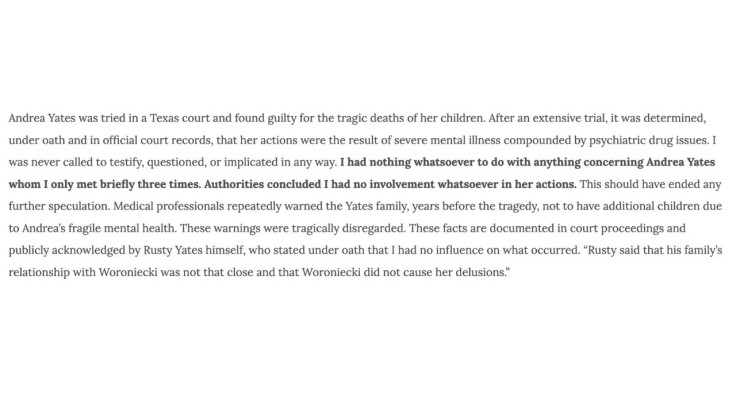
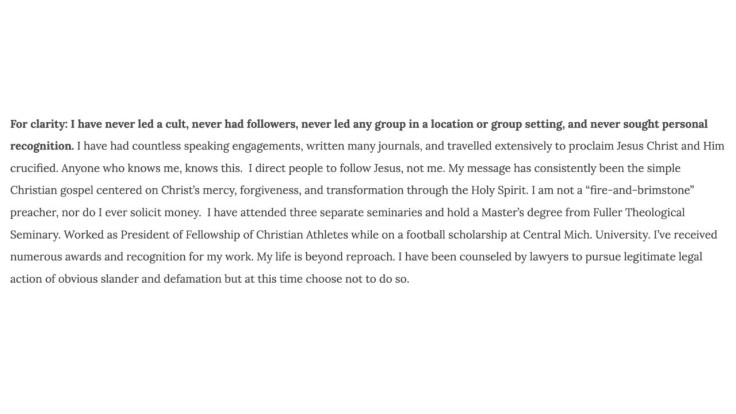
In a statement on his website, Woroniecki denies all allegations connecting him to the crime, or to Andrea Yates that he says he only met thrice before.
'Saving Their Souls'
After the drownings, Yates reportedly told doctors she killed her children to prevent them from going to hell — a belief her attorneys said echoed Woroniecki's teachings. Evidence submitted in court included his newsletter The Perilous Times, which featured warnings about spiritually 'damned' children and biblical references to damnation.
Woroniecki called these assertions 'ridiculous,' arguing that responsibility lay with Yates and her husband alone. He claimed he repeatedly urged Rusty Yates to show more care and compassion toward his wife.
Cult Allegations and Renewed Scrutiny
The Cult Behind the Killer has reignited debate about whether Woroniecki's teachings crossed the line into coercive religious influence. Former followers describe a mail-order system of indoctrination involving cassette tapes, pamphlets depicting hell, and recorded sermons designed to instil fear and obedience.
The series argues that Andrea Yates' isolation, untreated mental illness and immersion in apocalyptic theology formed a volatile combination — though it stops short of assigning legal blame.
What the Courts Ultimately Decided
Despite extensive discussion of religious influence, US courts focused on Yates' psychiatric condition. Her 2002 conviction was overturned after it emerged that prosecution testimony falsely referenced a fictional Law & Order episode, undermining the state's case.
At her retrial, jurors concluded that Yates' mental illness prevented her from distinguishing right from wrong at the time of the killings.
Where Things Stand Today
Woroniecki declined to participate in the new documentary and continues to deny responsibility. Andrea Yates remains institutionalised and has repeatedly declined eligibility reviews for release, choosing to continue treatment instead.
Her former husband Rusty Yates has publicly stated that he forgives her and attributes the tragedy entirely to mental illness rather than malice.
No court has held Michael Woroniecki criminally responsible, and no evidence suggests he directed violence. Yet his teachings remain inseparable from discussions of the Yates case — not as a cause, but as a disturbing context that compounded an already fragile mental state.
As renewed public interest brings the case back into focus, the lingering question is not one of guilt, but of influence — and how extreme belief systems can quietly shape tragedy without ever standing trial.
© Copyright IBTimes 2026. All rights reserved.