

Andy Burnham Promises Cost-of-Living Relief: What Could Change for Households First?
Potential relief measures include energy bill reductions and public transport fare caps
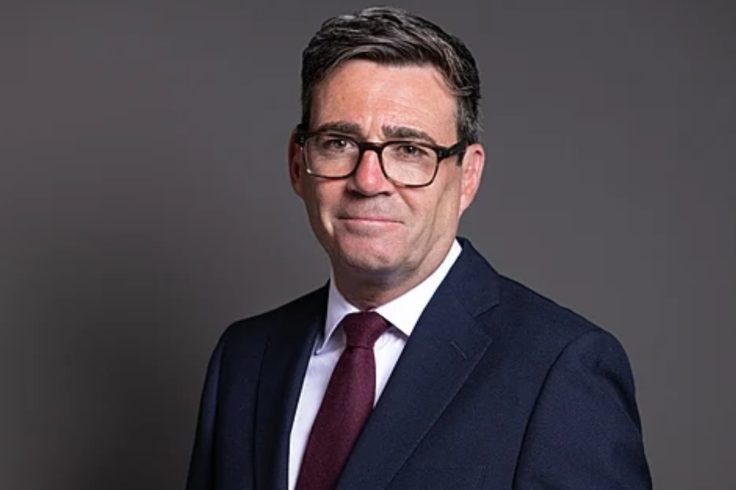
Lower energy bills and capped bus fares could be among Andy Burnham's first attempts to ease Britain's cost-of-living crisis, with the new prime minister promising measures households will 'feel quite quickly'.
Burnham said his government would give families 'some breathing space' as rising household costs continue to put pressure on incomes. He acknowledged that the first measures would not solve every financial difficulty but argued that they would demonstrate the direction of his new administration.
No complete package has yet been announced, so reports of specific payments or tax cuts remain unconfirmed. However, proposals surrounding public transport, energy bills and income tax thresholds provide early clues about where help could arrive first.
Could Bus Fares Be Capped First?
Public transport may offer Burnham one of the quickest ways to provide visible and immediate support.
As mayor of Greater Manchester, he placed lower and more predictable bus fares at the centre of the Bee Network. His national government could now consider extending similar measures through fare caps or targeted support for passengers elsewhere in England.
A bus fare intervention would be easier to introduce quickly than a major tax reform. It could also provide a noticeable saving for workers and families who rely on public transport every day.
Burnham has previously supported free bus travel for people aged 16 to 18 and greater transport powers for regional leaders. A national scheme would require substantial funding, but a limited fare cap could become one of the first policies used to show that his promise of immediate relief has practical meaning.
Could Energy Bills Fall by £130?
Energy costs are another likely target because they affect nearly every household.
Burnham's team has reportedly examined proposals to change how gas and electricity bills are calculated. One option would remove some policy levies from electricity bills and reform gas standing charges, potentially reducing average household costs by around £130 per year.
Plans under consideration could also address billions of pounds in unpaid consumer electricity debt. Supporters argue that clearing or restructuring those debts could help approximately two million struggling households while reducing the costs passed on to other customers.
The proposals have not been formally adopted, and any reduction would still need to be funded through taxation or changes to government spending. However, targeted energy relief could be introduced more quickly than broader reforms to wages or the tax system.
Could the Income Tax Threshold Be Unfrozen?
Burnham has also said he is examining the personal allowance, which determines how much workers can earn before paying income tax.
The threshold has remained frozen while wages have increased. This has pulled more people into the tax system and raised the amount paid by some existing taxpayers, even when their spending power has not improved significantly.
Raising or unfreezing the allowance would allow millions of workers to keep more of their earnings. It would also cost the Treasury billions of pounds, making it less likely to form part of an immediate relief package.
Burnham has promised to follow existing fiscal rules and avoid increasing taxes on working people. Those commitments limit how much money his government can spend without identifying savings or new sources of revenue.
His first announcement will reveal whether the promised 'breathing space' takes the form of capped bus fares, targeted energy relief or a more ambitious tax change. Transport and energy measures appear easier to deliver quickly, but households will judge the plan on one simple question: how much money will it actually save them?
© Copyright IBTimes 2026. All rights reserved.