

How Battery Technology Is Broadening Choices in Outdoor Power Equipment
From lawnmowers to chainsaws, buyers must weigh compatibility, runtime, safety requirements, environmental claims and long-term ownership costs
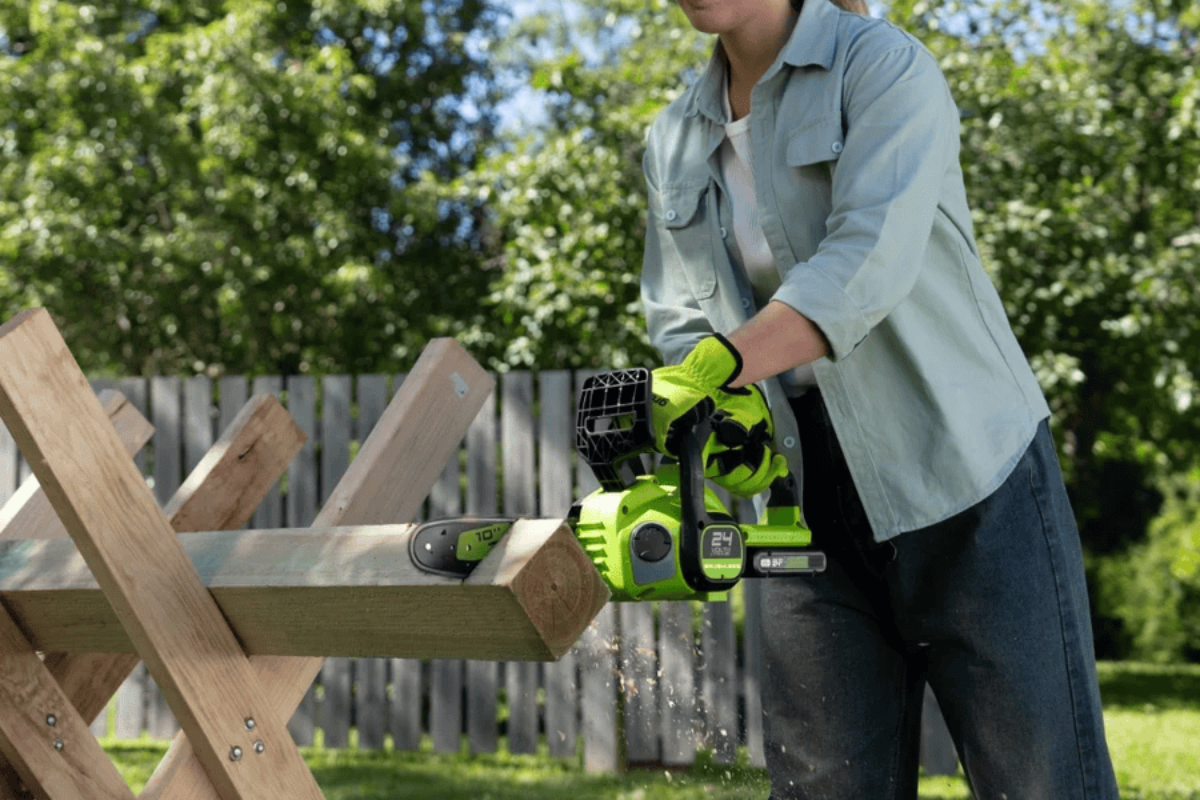
Battery power is now a familiar option across categories of outdoor equipment that were once dominated by petrol engines or mains cables. The shift is visible in garden mowers, blowers, hedge trimmers and chainsaws.
It reflects product development and changing customer priorities, but it is not a uniform transition: different applications place different demands on a machine, its battery and the support available after purchase.
A Broader Choice of Equipment
Modern rechargeable battery systems can power tools for mowing, trimming, clearing leaves and cutting timber.
Improved motor control and battery technology have helped expand the range of products available, although real-world performance remains highly model-dependent. Buyers should compare measured specifications and the requirements of their own work rather than treating 'cordless' as a single level of performance.
Battery Platforms and Compatibility
A significant change is the growth of tool platforms designed around compatible batteries and chargers.
For a household that owns several tools, a shared system may reduce the need for duplicate charging equipment. However, compatibility is specific to the manufacturer and product range.
A voltage label or similar-looking pack does not establish whether a battery will fit or operate safely in another tool.
Chainsaws Show Both Promise and Limits
The development of battery-powered chainsaws demonstrates how cordless options now reach demanding product categories. Models vary in bar length, chain characteristics, machine weight and battery requirements, all of which affect suitability.
They also carry the same fundamental cutting hazards as other chainsaws. Buyers must consider proper training, suitable protective equipment and the nature of the work.
Large, unstable or elevated tree cutting is a matter for qualified specialists, not an opportunity to test the convenience of a new battery-powered saw.
Consumer Convenience Versus Continuous Use
For some occasional garden tasks, easier starting and the absence of petrol handling are useful advantages. Professional operators may weigh those against the length and intensity of a shift, access to charging, spare-battery costs and the need for consistent output.
There is no universal answer: a small domestic garden and a contractor working continuously on a large site have different requirements.
Questions for Manufacturers and Retailers
Clear listings should identify whether batteries and chargers are included, specify compatible platforms and explain the conditions behind runtime information.
Retailers also need to consider replacement batteries, consumable parts, warranty support and safe handling of lithium-ion products. Customers benefit from advice that accounts for the total cost of the system and the equipment's intended duty cycle.
Environmental Claims Need Context
Battery-powered equipment does not release petrol-engine exhaust at the point of use, but that is not the same as having no environmental footprint. Battery manufacturing, electricity supply, product durability and end-of-life treatment all affect the broader picture.
Comparisons should use credible lifecycle evidence where available and avoid unqualified claims that one technology is always the greener choice.
What Remains Uncertain
The future pace of adoption will depend on prices, product capability, charging access, battery longevity and user preferences.
Compatibility standards and repairability may also influence purchasing decisions. Without robust market data, it is better to describe these as relevant factors than to claim a precise growth rate or inevitable replacement timeline.
A More Informed Market
Cordless technology is widening the options available to households and professional users. Its strongest case will be made through transparent specifications, responsible safety advice and dependable service rather than exaggerated promises.
The result is a more varied equipment market in which buyers can select the power source that fits the task.
© Copyright IBTimes 2026. All rights reserved.