Late-Summer Planting Ideas: How to Keep Growing in a Small Garden as Summer Turns to Autumn
Quick-growing crops, raised planters and adaptable covered growing spaces can help patios, courtyards and compact gardens stay productive as summer gives way to autumn.
For many gardeners, August can feel like a turning point. The busiest planting months of spring have passed, some early crops may already have been harvested, and attention often shifts towards preparing outdoor spaces for colder weather.
However, late summer does not necessarily mean the end of growing. Depending on local conditions, gardeners may still have time to sow quick-maturing crops such as lettuce, radish, rocket and chicory, while some vegetables can be planted with autumn, winter or even spring harvests in mind.
Rather than starting again from scratch, late summer gardening is often about making better use of the growing time that remains. Filling gaps left by harvested crops, sowing smaller batches and adapting growing spaces for changing conditions can help households continue producing fresh herbs, salads and vegetables as the seasons transition.
Making Room to Grow in a Small Garden
One of the biggest challenges for many households is not a lack of interest in growing food, but a lack of dedicated space.
Traditional vegetable plots require available ground, preparation and ongoing maintenance, which may not be practical for homes with patios, balconies, courtyards or compact gardens. Even where outdoor space is available, gardeners may prefer not to commit to permanent structures or large-scale landscaping projects.
Raised planters offer one way to create a defined growing area without requiring an existing border. They can provide a contained space for soil and plants while allowing gardeners to focus on a smaller selection of crops suited to their available area.
For late summer planting, this approach can be particularly useful. As earlier crops finish, a raised bed can provide a fresh space for quick-growing salads, herbs or selected vegetables instead of leaving harvested areas unused.
The key is to prioritise crops carefully. Smaller growing areas are unlikely to accommodate everything a traditional vegetable garden might offer, but they can still provide space for productive, manageable planting.
Preparing for the Seasonal Transition
Late summer weather can be unpredictable. Warm daytime temperatures may continue, while cooler nights and increased rainfall can begin to influence growing conditions.
A covered growing structure can provide some additional shelter during this transition, but ventilation remains an important consideration. Plants should not be left sealed beneath covers during warm periods, as temperatures can rise quickly in enclosed spaces exposed to direct sunlight.
Adjustable covers, vents and openings allow gardeners to respond to changing conditions. During warmer spells, increasing airflow can help prevent excessive heat build-up, while protection can be useful when temperatures drop, or weather becomes more unsettled.
Drainage is another important factor. While some protection from heavy rainfall can be beneficial, plants still need suitable moisture levels. Gardeners should check that containers and raised beds allow excess water to escape, particularly after periods of wet weather.
Creating a Compact Growing Space
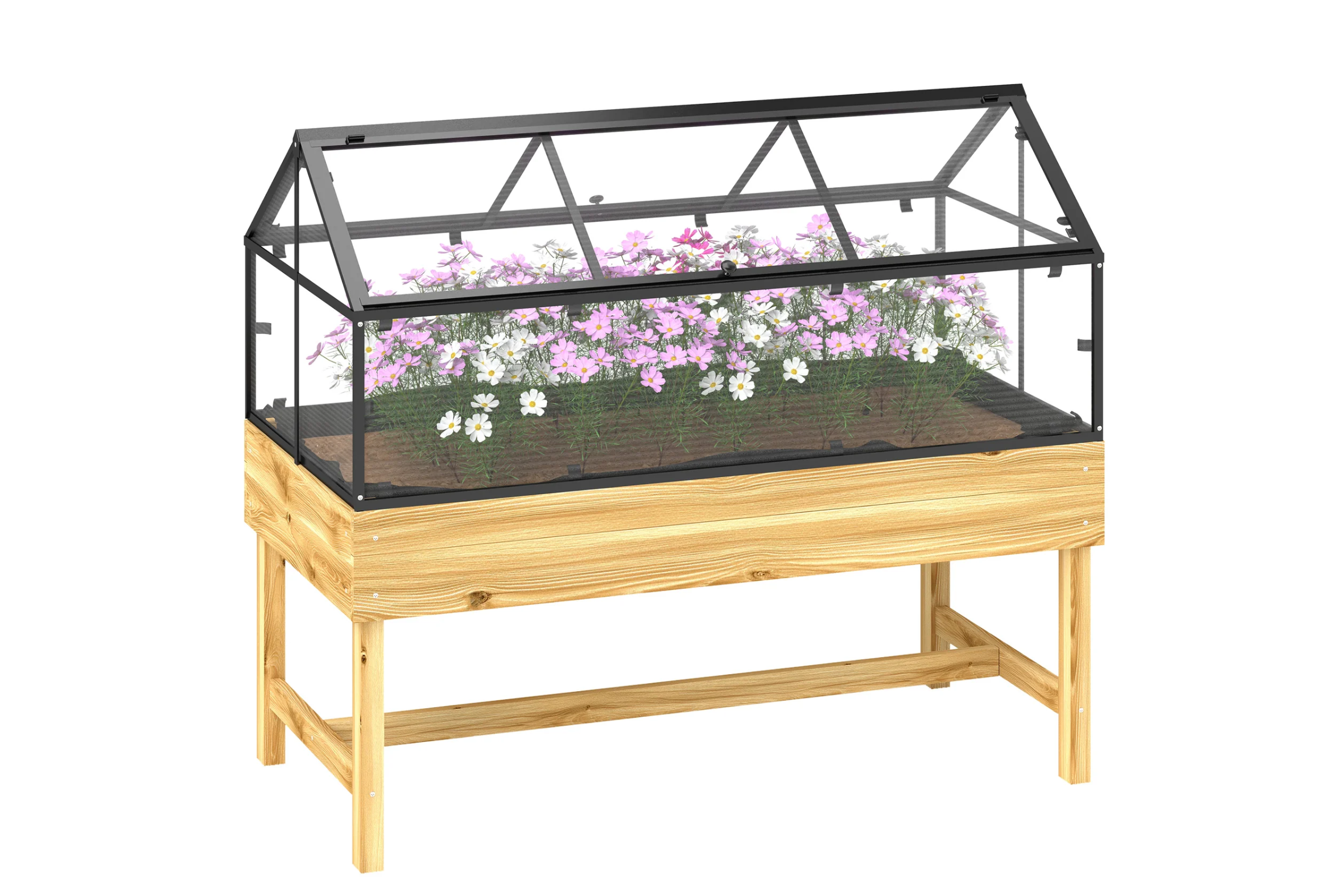
For gardeners looking to combine a raised planting area with additional seasonal protection, the Outsunny NookGrow Raised Garden Bed offers one example of a compact growing solution.
Rather than functioning as a replacement for a full greenhouse or traditional vegetable patch, the design sits between a conventional raised planter and a cold frame. It combines an elevated planting bed with a polycarbonate cover, creating a dedicated growing area for patios, courtyards and smaller gardens.
The raised design can make planting and maintenance more comfortable by reducing the need to bend down as much, while also helping create a more defined growing area that is separated from surrounding weeds and some garden disturbances.
The integrated cover is designed to provide additional protection as conditions change. Flip-up top vents allow gardeners to improve airflow when needed, while the sloped roof helps reduce rain accumulation. A liner with drainage holes also supports moisture management by helping contain the growing medium while allowing excess water to escape.
For households without an existing vegetable border, the appeal is the combination of growing space and adaptable protection in one structure. It provides a practical way to experiment with extending the growing season without installing a permanent greenhouse.
Another Option for Smaller Gardens
Another option for smaller gardens is combining a raised planter with a taller protective cover.
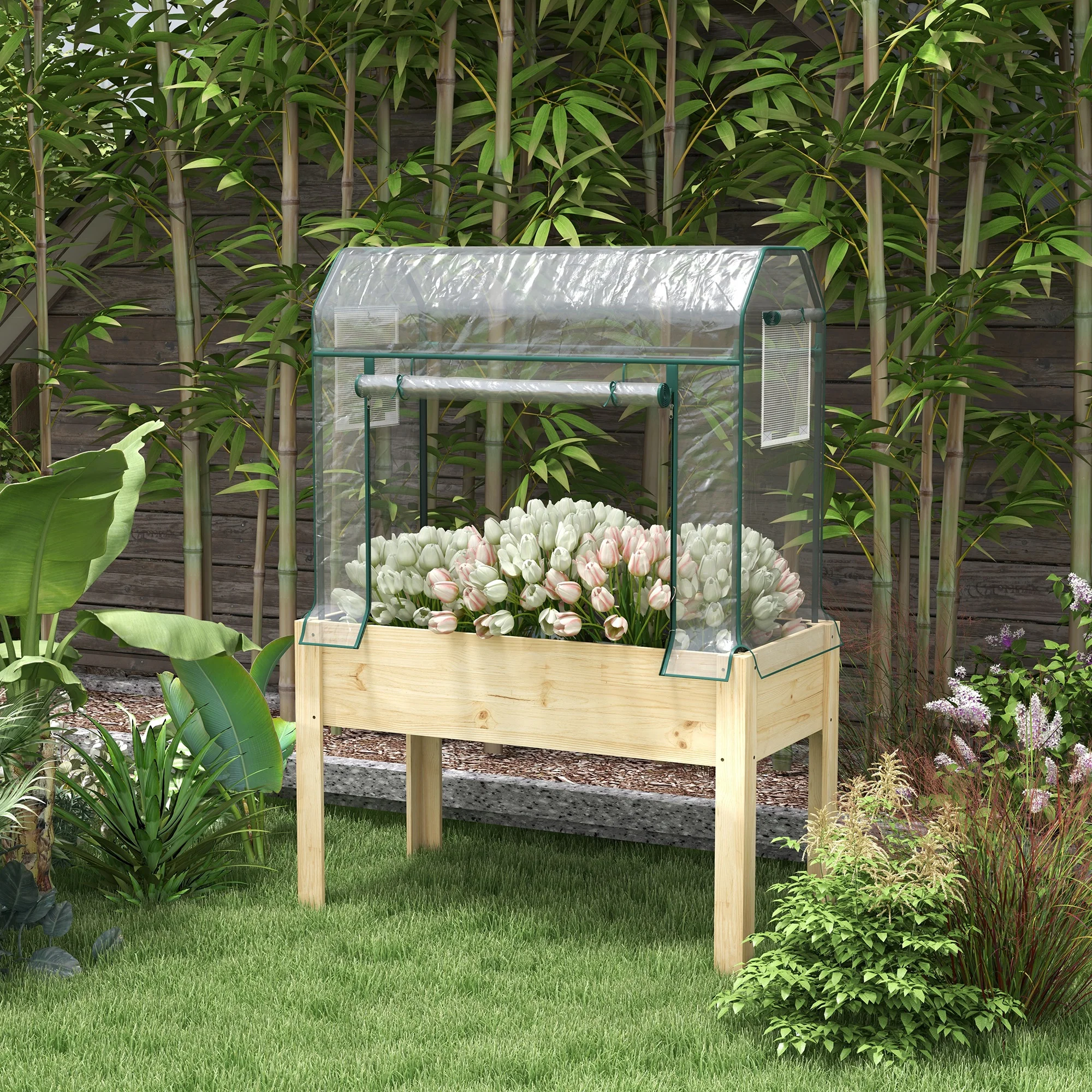
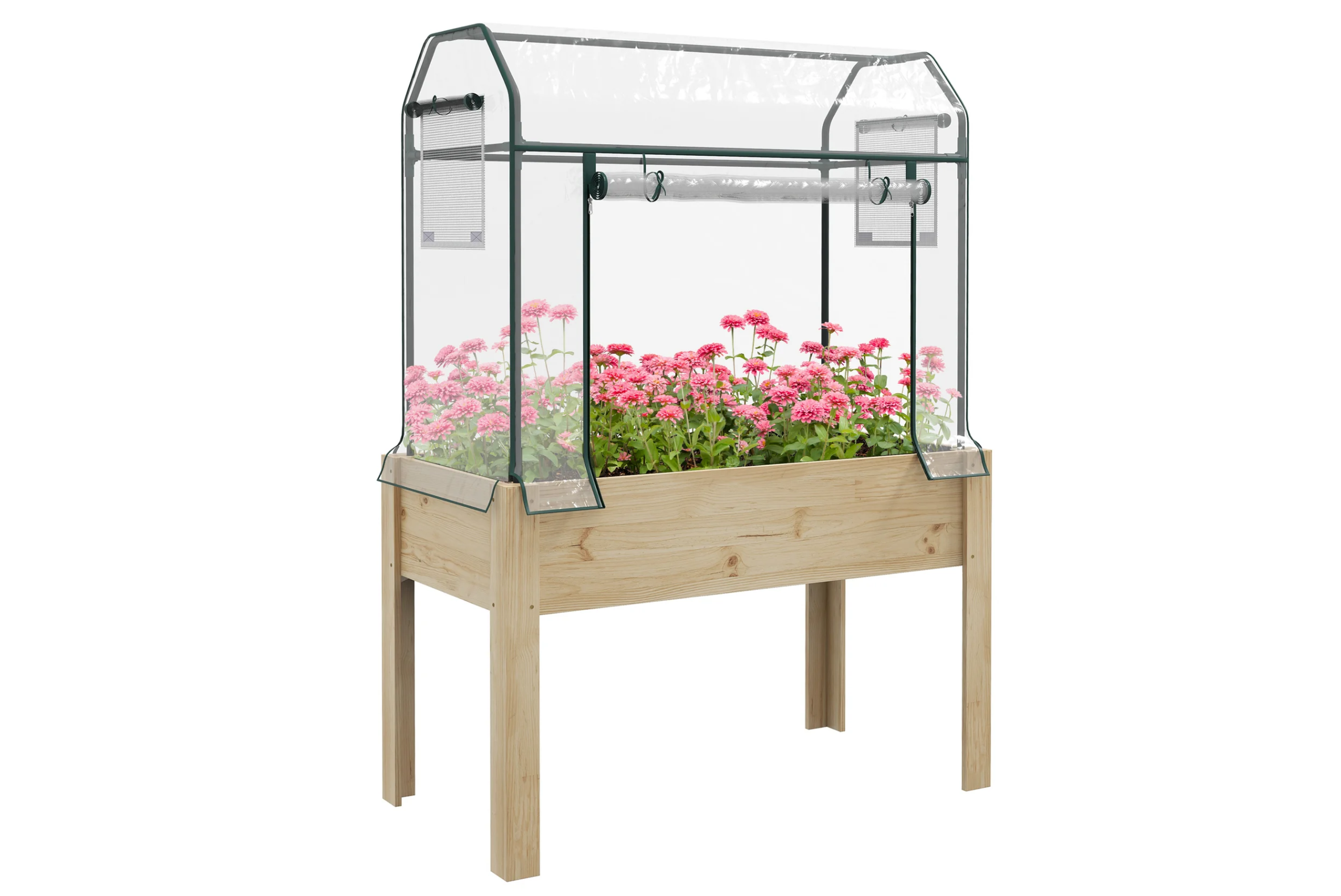
The Outsunny Wooden Raised Planter with Plastic Greenhouse Cover and Bed Liner takes this approach by pairing a raised wooden planting area with a clear plastic cover designed to create a more sheltered growing environment.
With a planting area measuring 109 × 53 cm and approximately 116 litres of soil capacity, the planter provides space for vegetables, herbs or flowers while maintaining a relatively compact footprint. The raised base sits at approximately 75 cm high, creating a more accessible working height for planting and maintenance.
Unlike the lower-profile cold-frame style design of the NookGrow, this planter uses a taller cover format with a roll-up door and two ventilation windows. This allows gardeners to access plants easily while adjusting airflow as weather conditions change.
The removable fabric liner also helps contain soil within the planter and can be taken out for cleaning when required.
As with any covered growing structure, placement and ventilation are important. Gardeners should follow manufacturer guidance when assembling and positioning the planter, while monitoring plants regularly during warmer weather.
Practical Tips for Late-Summer Planting
Making the most of the remaining growing season does not necessarily require major changes. A few practical adjustments can help smaller gardens stay productive:
- Check local growing conditions: August planting options vary depending on location, temperatures and weather patterns, so seed packets and regional advice should always be consulted.
- Choose quick-maturing crops: Salad leaves, herbs and vegetables with shorter growing times are often better suited to late-summer sowing.
- Sow gradually: Planting smaller quantities at intervals can provide a more consistent harvest rather than producing everything at once.
- Monitor moisture levels: Containers and raised beds can dry out faster during warm weather, but poor drainage can create problems after heavy rainfall.
- Maintain airflow: Use vents, openings and roll-up covers appropriately rather than keeping covered structures closed continuously.
- Consider plant size: Check the eventual height and root requirements of crops before planting in a smaller raised bed.
Late summer gardening is less about extending the season indefinitely and more about using the opportunities that remain. With careful crop choices and adaptable growing spaces, even households with limited outdoor areas can continue producing fresh plants as summer gradually gives way to autumn.
Compact raised beds and covered planters offer one practical way to create that flexibility, providing gardeners with a dedicated space to grow without requiring the commitment of a full greenhouse or large vegetable plot.
© Copyright IBTimes 2026. All rights reserved.
- Recommended For You