

Blind Man Told He Wasn't Entitled to Benefits for 5 Years: SSA Could Demand $72K Back
A family is appealing an SSA decision after years of disability payments, showing how complex SSDI rules can lead to overpayment disputes
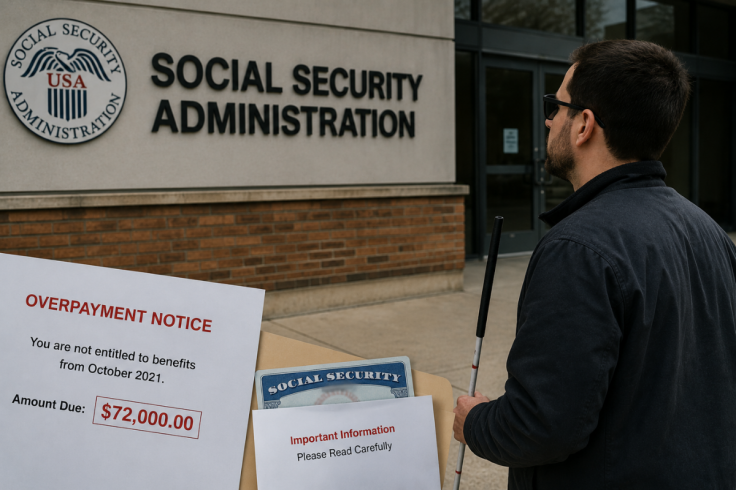
A legally blind man who has received Social Security Disability Insurance (SSDI) benefits for nearly a decade is fighting to overturn a Social Security Administration (SSA) determination that could leave him owing roughly $72,000 in benefits, raising fresh concerns about how disability overpayment cases can jeopardise families' finances years after payments begin.
The 33-year-old beneficiary, who has received SSDI since 2015 because of his blindness, recently received a letter stating he was no longer entitled to disability payments dating back to October 2021. If the agency ultimately upholds its decision, the family fears it could be required to repay about five years' worth of benefits.
The case illustrates a broader issue affecting some disability recipients. While the SSA can recover overpayments, beneficiaries also have the right to appeal decisions or request that repayment be waived if they believe the determination is wrong or would cause financial hardship.
Family Disputes SSA's Interpretation of Work History
According to the family's account, the man worked part-time while studying before qualifying as a teacher, with earnings that fluctuated because he later relied on substitute teaching rather than full-time employment. His wife, who manages his disability paperwork as his representative payee, said they consistently provided income information whenever requested and believed his earnings remained within the limits allowed for blind SSDI recipients.
The notice reportedly states that his trial work period ended in 2015 before he entered a 36-month extended period of eligibility. However, the family argues his work history and earnings should not have disqualified him from continuing to receive benefits because they remained within the higher earnings limits that apply to legally blind recipients.
After contacting the SSA, they were reportedly advised to submit W-2 forms from recent years as part of the appeals process to demonstrate that their earnings remained within the applicable thresholds. The SSA has not publicly commented on the individual case.
Why Some SSDI Beneficiaries Receive Overpayment Notices Years Later
An SSA overpayment occurs when the agency determines that someone received more benefits than they were entitled to receive. According to the agency, this can happen for several reasons, including changes in earnings, work activity, marital status, or because updated information is processed after benefits have already been paid.
Disability cases involving employment can be particularly complex. People receiving SSDI are generally allowed to test their ability to work through a trial work period before entering an extended period of eligibility. During that later period, benefits may be suspended if earnings exceed the applicable substantial gainful activity (SGA) threshold. Overpayments can accumulate if benefits continue while the SSA later determines an individual should not have received them.
Blind beneficiaries are subject to a higher SGA earnings limit than recipients receiving disability benefits for other medical conditions. The higher threshold reflects work incentive rules designed to help legally blind people remain in employment without automatically losing disability support.
What Beneficiaries Can Do After an SSA Overpayment Notice
Receiving an overpayment notice does not necessarily mean repayment is inevitable. The SSA allows beneficiaries to request a reconsideration if they believe they were not overpaid or if they dispute the amount. Individuals who accept that an overpayment occurred may also apply for a waiver if they were not at fault and repaying the money would create financial hardship or otherwise be considered unfair.
Collection activity generally pauses while a timely appeal or waiver request is under review. In this case, the family says it is gathering employment records after an SSA employee recommended submitting wage documentation covering the disputed years.
Financial Stakes Extend Beyond the Disability Payments
The family's concern extends beyond the potential loss of monthly SSDI income. According to the account, the disability payments cover the household mortgage while the spouse's salary pays for day-to-day expenses and retirement savings. Losing the monthly benefit while also facing a large repayment demand could place significant strain on their finances.
Whether the SSA ultimately upholds or reverses its determination remains uncertain. Regardless of the outcome, the dispute illustrates how complex SSDI work rules and delayed eligibility reviews can expose beneficiaries to substantial repayment claims years after they first qualified for disability benefits.
© Copyright IBTimes 2026. All rights reserved.