When Will Your August Social Security Cheque Arrive? Aug. 12 Payment Date and 2032 Trust Fund Worries
The first wave of August Social Security checks is set to arrive for millions of Americans, even as looming trust fund depletion dates spark intense national debate
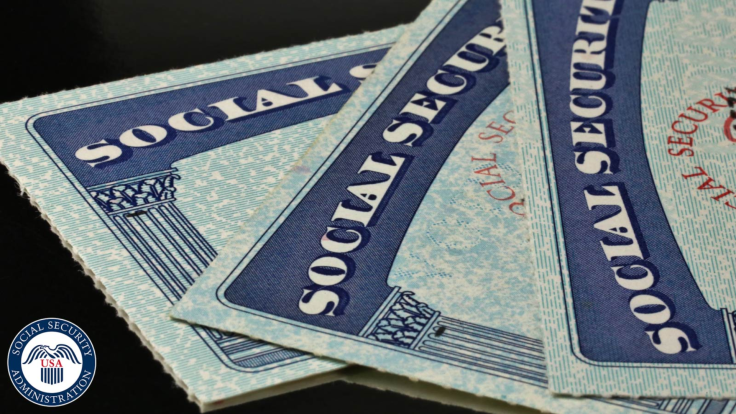
Millions of American households depending on federal assistance are closely monitoring their bank statements this week as the August Social Security check payment dateofficially arrives across the United States.
Distributed by the Social Security Administration on Wednesday, 12 August 2026, this initial wave of direct deposits specifically targets eligible beneficiaries whose birthdays fall between the first and tenth of the month.
While this routine financial lifeline delivers essential relief to retirees navigating the summer economic landscape, it unfolds against a backdrop of intensifying national anxiety regarding the long-term health of federal retirement reserves.
Official government projections indicate that the program's trust fund reserves face a potential depletion milestone by 2032, sparking vigorous political debates in Washington over future legislative reforms.
Nevertheless, federal officials assure recipients that current monthly disbursements remain fully operational, maintaining a steady rhythm for millions of citizens who rely on these scheduled funds to cover daily living expenses, medical care, and housing costs.
The Expected Timeline for Your August Social Security Check
Despite looming fiscal challenges, the immediate payment schedule remains entirely unaffected for August. The agency continues to distribute funds on a staggered schedule, which relies on the specific birth dates of recipients to organise the massive monthly payout process efficiently. These federal benefits serve as essential financial support for millions of eligible retirees and disabled citizens.
- Birthdays between the 1st and 10th: Funds arrive on the second Wednesday of the month (12 August 2026).
- Birthdays between the 11th and 20th: Beneficiaries can expect their deposits to arrive on the third Wednesday of August.
- Birthdays after the 20th: Payments are scheduled to hit accounts on the fourth Wednesday, completing the standard monthly cycle.
A completely different framework applies to older individuals who began receiving their benefits prior to May 1997. These long-standing recipients generally see their payments arrive on the third day of each month, provided that the date does not land on a weekend or a federal holiday.
Supplemental Security Income and Calendar Adjustments
Citizens who rely on both standard benefits and Supplemental Security Income (SSI) operate on a slightly altered timetable to prevent administrative bottlenecks. Under this specific calendar, supplemental funds are historically distributed on the first business day of the month.
Because August 2026 began on a Saturday, administrators processed the supplemental payments early, successfully pushing the crucial funds out to banking institutions on Friday, 31 July.
Looking ahead to the remainder of the 2026 calendar, the next supplemental payment is firmly set for Tuesday, 1 September, while November funds will hit accounts prematurely on Friday, 30 October, due to a weekend conflict. The December payment returns to the standard sequence on Tuesday, 1 December, while the January 2027 instalment will also arrive early on Thursday, 31 December.
2032 Trust Fund Worries Loom Over the Payout System
The broader conversation surrounding the 2032 trust fund depletion projection continues to dominate political discussions, but federal administrators maintain that current operations remain fully funded. Financial analysts note that an impending funding shortfall does not mean regular monthly payments will suddenly stop overnight, as payroll taxes continue to flow into the system daily.
For now, the administration advises beneficiaries to monitor their bank accounts closely based on their designated Wednesday disbursement window. The machinery of the federal payout system continues to operate reliably, funding millions of households across the country through the summer cycle.
© Copyright IBTimes 2026. All rights reserved.
- Recommended For You