

Pensioners Must Prove They Need Benefits: DWP May Seek Bank Statements Amid £370M Crackdown
DWP tells pensioners to prove they need benefits in £370M review
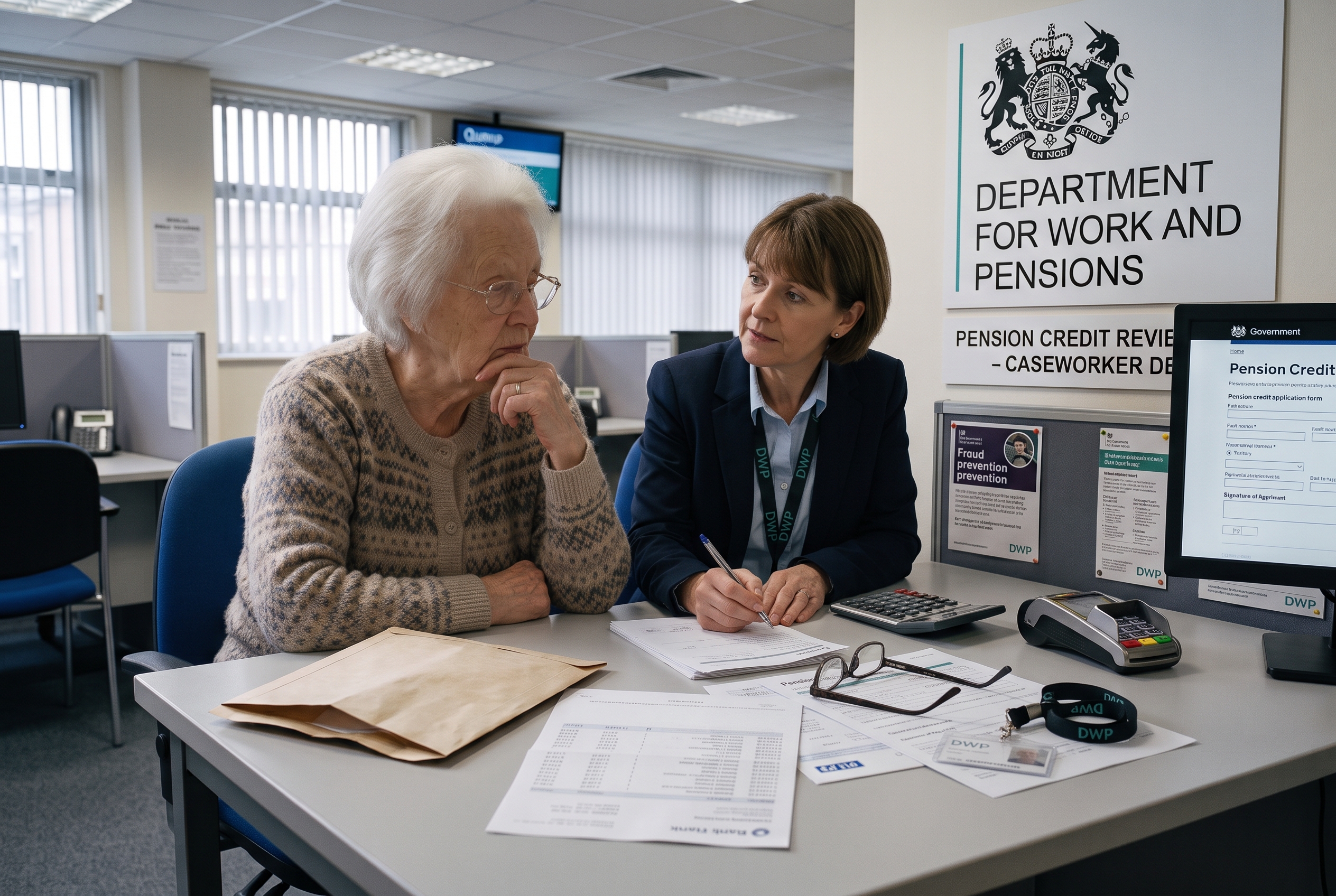
The Department for Work and Pensions (DWP) has started asking pensioners to prove they still qualify for Pension Credit, and some will be told to hand over recent bank statements as part of a review aimed at cutting £370M ($503M) from the benefits bill by April 2031.
The DWP has begun contacting what it calls 'selected customers' for case reviews. It has not said how many pensioners will be checked, nor how it is choosing them. The Independent puts the number who could ultimately lose some or all of their payments at 95,000 to 100,000, with many more expected to have their claims examined.
Pension Credit is a means-tested top-up for people over State Pension age who live on a low income. It lifts weekly income to £238 ($324) for a single person and £363.25 ($494) for a couple, or roughly £12,376 ($16,800) a year for someone claiming alone. Entitlement depends on income, savings, assets, and personal circumstances.
Not everyone whose claim is reviewed will be asked for bank statements. Those selected may need to provide additional evidence, including recent statements, alongside details of their income, savings, investments, property, and any time spent outside the UK. The paperwork helps the department check that a claimant's finances still match what was declared when the claim began.
Why the DWP Is Reviewing Pension Credit Claims
The scrutiny follows fraud and error figures the DWP published in May. They showed that, as a share of spending, Pension Credit was overpaid more than any other benefit for the second year running.
Overpayments totalled £620M ($843M), around 10 per cent of what the department spent on it. The share of claims overpaid rose to 33 in every 100, up from 28 the year before, the third year running that Pension Credit had the highest proportion of overpaid claims of any benefit.
The two biggest causes were claimants under-declaring their savings and assets, while staying abroad for longer than the rules permit. This round of reviews is expected to recover around £15M ($20M), with roughly 10,700 claimants likely to have their entitlement reduced and an average overpayment of about £1,400 ($1,900). Most errors, though, are small. More than half of the overpaid claims involved less than £10 a week.
What the £370M Crackdown Means for Pensioners
The review programme was first announced by then-chancellor Rachel Reeves at last year's Budget, and the case reviews are due to run from 2026 to 2029. It sits alongside a parallel effort on Universal Credit, where the government expects to recover £13.6B ($18.5B) in overpayments by 2030.
The DWP has stressed that being picked for a review does not mean a claimant has done anything wrong, and that it will correct awards in both directions, reducing payments where people have had too much and topping them up where they have had too little.
'We know that a claimant's circumstances can change throughout their claim, which can lead to their claim being incorrect. By reviewing claims, we can ensure claimants are receiving the correct entitlement,' a spokesperson said.
How to Handle a Pension Credit Review
Anyone who receives a genuine review letter should reply with the requested information by the stated deadline.
- Claimants are advised to confirm the request really comes from the DWP before sharing financial details.
- Use official GOV.UK contact routes rather than any phone numbers or links in an unexpected message.
- Keep copies of everything they send.
- Seek independent advice before agreeing to repay any sum they believe is wrong.
Pension Credit is also one of the most underclaimed benefits in the country. Policy in Practice estimates that about 761,000 pensioners missed out in 2025/26, leaving roughly £1.6B ($2.2B) unclaimed.
It is often called a 'passport' benefit because receiving it can unlock further help, including the Winter Fuel Payment, support with housing costs, and a free TV licence, worth up to £9,665 ($13,100) a year for the most vulnerable.
The department's own take-up campaign added 33,500 awards in 2025, worth on average £87 ($118) a week.
© Copyright IBTimes 2026. All rights reserved.