

British Army Suspends Major War Games To Save £30M as Ex-Chief Calls Move 'Unbelievably Short Sighted'
Critics slam decision as 'Unbelievably Short-Sighted' amid rising global tensions
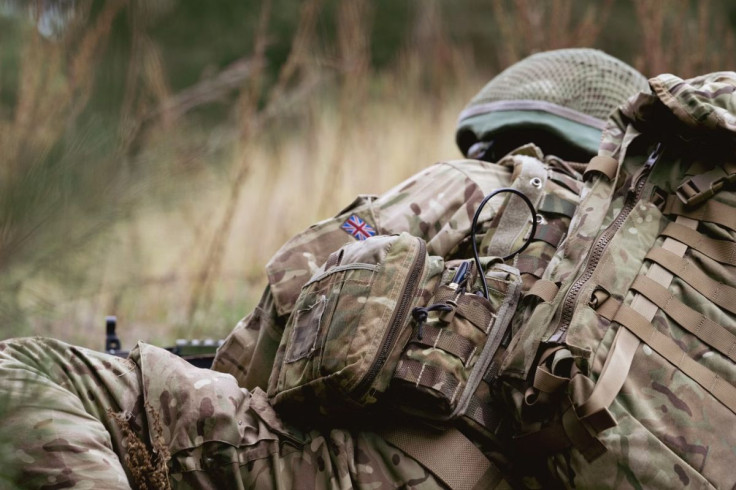
The British Army has frozen major war games across the UK to plug a £30 million funding gap, halting collective training for units not preparing for imminent deployment.
The directive stops field drills involving more than 90 soldiers and was heavily criticised by the former head of the Army, General Sir Patrick Sanders, who called the decision 'unbelievably short sighted'.
The cancellations include a six-week exercise featuring Challenger 2 tanks and Apache gunships, which was due to start in Wales next week. Only troops assuming a standby role or heading overseas will train at battlegroup level. Critics say the reduction, designed to save £30 million, is a strategic mistake.
Severe Reductions Amid Strategic Threats
The training suspension comes amid intense political debate over defence spending and heightened international tensions, including comments from Russian President Vladimir Putin interpreted as threats to strike British sites.
The current government under Prime Minister Keir Starmer has faced sustained pressure to set out a clear timetable for increasing military expenditure to 2.5 per cent of gross domestic product. Defence Secretary John Healey and Chancellor Rachel Reeves have had to manage tight financial constraints ahead of the upcoming budget.
Military figures have voiced serious concern over the decision to halt training. Justin Maciejewski, a decorated former officer and Director of the National Army Museum, described the move as 'a scandal'.
He warned of the historical scale of the decision, saying: 'It is unprecedented in the history of the Army since World War Two, and given the seriousness of the threats we are facing, it shows a national dereliction of duty.'
The cuts arise from a shortage of cash for in-year running costs rather than from long-term investment in major weapons programmes.
The Royal Navy and the Royal Air Force have also been told to scale back activities, although the impact on their operations is described as less severe. Budgets for reservists have been reduced by 10 per cent.
One military source said the decision was imposed from above, stating: 'This is not our decision. It has been forced on us.'
A separate source noted internal concern about public reaction, saying: 'Commanding officers were told to keep this closely guarded and communicate it very carefully because it could give the impression that we are not taking preparations for war seriously.'
Strategic Shifts and Modern Warfare
The Ministry of Defence said it is 'prioritising training' based on lessons from the war in Ukraine. Officials argued that traditional battle exercises involving large formations of tanks are increasingly exposed to drone strikes.
Training will instead focus on smaller groups learning counter-drone tactics, basic driving and core weapons handling. Senior officers will continue desktop drills to practise commanding large-scale conflicts without deploying full formations.
Personnel on the ground, however, remain critical of the squeeze. While a tank crew might train as a single vehicle unit, they will no longer operate as a full squadron.
One source said: 'This is absolutely devastating. Armies train; that is what they do. Now nothing is going to happen, everything is cancelled, and commanding officers have 600 blokes with nothing to do.'
Military sources said historical parallels to cancellations on this scale are unusual. While war games have been reduced in previous decades, insiders say this round is significantly more extensive.
'The closest parallel was in the 1970s fuel crisis when the forces were ordered to use less petrol,' one official said. In 1973, armed forces were ordered to cut fuel consumption by 10 per cent, but core combat readiness was not explicitly paused to balance the books.
Long-Term Investment, Short-Term Squeeze
The Army has pointed to future funding, saying: 'Through the Defence Investment Plan, we recently announced £2 billion to transform training for the British Army over the next 15 years.' However, that long-term funding does not begin until next year.
In the meantime, the military will rely more on desktop simulations and basic training skills rather than large-scale live exercises.
© Copyright IBTimes 2026. All rights reserved.