

Click. Send. Disaster. How One Error Cost a Crypto Exchange $44 Billion
A routine promotional reward of $1.40 per user turned into the costliest known typo in cryptocurrency history, briefly crediting 695 customers with a combined 620,000 bitcoin.

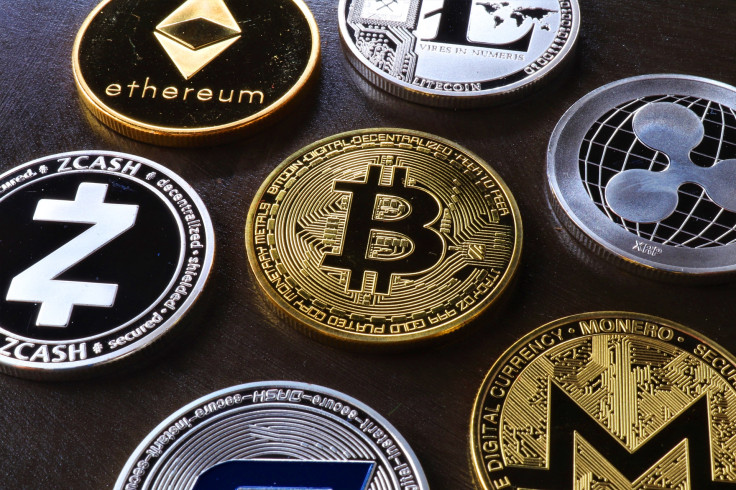
South Korean cryptocurrency exchange Bithumb accidentally distributed roughly 620,000 bitcoin — worth approximately $44 billion (£32.3bn) — to 695 customers on the evening of Friday, 7 February 2026, after an employee entered the wrong currency unit during a routine promotion.
The intended reward was 2,000 Korean won per user. About $1.40.
Instead, each winner received at least 2,000 bitcoin.
The error, CNBC reported, was caused by a staff member typing 'BTC' instead of 'KRW' in the distribution system. The credited amount represented roughly 3 per cent of bitcoin's total maximum supply of 21 million coins.
Bithumb froze trading and withdrawals for the affected accounts within 35 minutes.
What Actually Happened on the Ledger
The 620,000 bitcoins never existed on the blockchain. They were 'ghost bitcoins' — entries on Bithumb's internal ledger that had no backing in actual reserves, CCN reported.
The credited balances exceeded Bithumb's total holdings by a factor of 10, CoinDesk noted.
But some users acted before the freeze. A portion of recipients opened their promotional 'Random Boxes' and attempted to sell the credited bitcoin on the live exchange. That triggered a sharp sell-off.
Bitcoin prices on Bithumb briefly fell 17 per cent to 81.1 million won — roughly 30 per cent below the global average — before recovering to around 104.5 million won. The disruption lasted approximately 20 minutes.
'We would like to make it clear that this incident is unrelated to external hacking or security breaches, and there are no problems with system security or customer asset management,' Bithumb said in a statement on Saturday.
The Internal Fallout
Bithumb said it had recovered 99.7 per cent of the bitcoin mistakenly credited. That leaves roughly 1,788 BTC — between $125 million and $170 million — unaccounted for after some users sold or transferred assets before the freeze took effect.
An internal email from Exchange Business Division vice president Hwang Seung-wook, obtained by Bitcoin Magazine, acknowledged the severity of the failure.
'The fact that a single error in setting an event reward unit can destabilise an entire crypto exchange demonstrates the current state of our systems,' he wrote. He said the company would focus on eliminating oversight failures rather than blaming individuals.
Bitcoin Magazine also reported that Bithumb's internal system allowed employees to issue loyalty points, Korean won, bitcoin and Ethereum without formal settlement procedures — a structural weakness that made the error possible.
Bithumb announced compensation for users who sold at abnormally low prices during the disruption: the full sale amount plus an additional 10 per cent. It also waived trading fees across all markets for a week and said it would establish a customer protection fund worth 100 billion won, roughly $68 million.
Regulators Move In
South Korea's Financial Services Commission held an emergency meeting on 7 February 2026, the same day as the incident. The regulator described it as exposing 'vulnerabilities and risks of virtual assets.'
The Financial Supervisory Service announced it would launch on-site inspections of Bithumb's internal control systems, CoinDesk reported. Authorities also warned that other exchanges could face similar inspections if irregularities were discovered.
South Korean newspaper Kookmin Ilbo reported that regulators had already begun an inspection at Bithumb's offices on 7 February, requesting a list of employees authorised to issue crypto payments.
The FSS said it planned to introduce punitive fines for IT incidents across the financial sector, raise security accountability for chief executives and chief information security officers, and establish a preparatory team for the Basic Digital Asset Act, which would expand Korea's regulatory framework beyond its current first phase.
Financial authorities are also scheduled to report the full details of the incident to the National Assembly's Political Affairs Committee.
A Typo That Echoes History
The incident has drawn immediate comparisons to the Samsung Securities blunder of April 2018, when an employee entered a dividend payment as shares instead of cash. Samsung accidentally issued 2.81 billion phantom shares worth 112.6 trillion won. Some employees sold millions of those shares before the error was caught. Samsung Securities lost roughly 12 per cent of its market value permanently.
Bithumb trails rival Upbit, the dominant player in South Korea's crypto market. For both regulators and the wider industry, the message from Friday's chaos is the same one that arrived in 2018.
A single input error, in a system without adequate safeguards, can briefly reshape an entire market.
© Copyright IBTimes 2026. All rights reserved.